


Your Cat Ate a Cockroach. The Bug Isn't the Problem. What's on It Is.
A cockroach is basically crunchy protein, and cats are wired to hunt it. The roach itself rarely hurts them. The real risks are what it's carrying and what you sprayed to kill it.

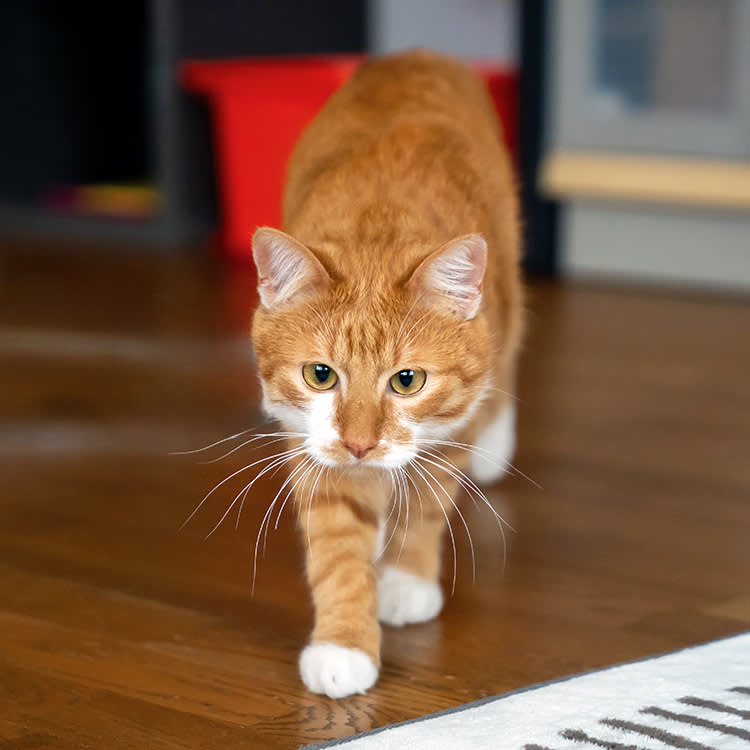
Your cat corners something in the kitchen at midnight, there’s a crunch, and then a smug little face looking up at you. If it was a cockroach, your first instinct is probably horror. Here is the reframe that should calm you down: the roach is the least dangerous part of this story. A cockroach is, to a cat, essentially a crunchy hit of protein, and hunting it is one of the most natural things your cat will ever do. The things worth worrying about are not the bug. They are what the bug is carrying, and what you put down to get rid of it.
Why cats go after roaches in the first place
Cats look fastidious, but under the grooming and the disdain is a hunter running on instinct. For an indoor cat, that instinct gets aimed at whatever moves: flies, moths, the occasional spider, and yes, cockroaches. It is the same drive that makes toys mimicking small scurrying prey so effective. There is curiosity in the mix too. Cats investigate anything new that enters their space, partly to learn it, partly because a small predator that is also potential prey to something bigger stays safe by knowing exactly what is skittering across the floor.
So a cat pouncing on a roach is not a sign of a bored or badly fed cat. It is a cat being a cat. You are not going to train the hunt out of them, and you should not try. You just want to steer it.
The roach itself is mostly harmless
Cockroaches can get alarmingly large, but they are not venomous, not poisonous, and by most accounts not even bad-tasting to a cat. The problem is structural: a roach is armored. That shell evolved to survive things, which means it does not reliably go down or break down easily. In some cats it can cause minor mouth irritation, a bit of choking or gagging, or an upset stomach with some vomiting or diarrhea. Unpleasant, occasionally, but rarely serious.
If the whole risk were the shell, this would be a non-article. It is not, because of what rides along on and inside the bug.
The three things that actually matter
Bacteria. Cockroaches are famous for living in exactly the kind of places you would not want your cat’s dinner to visit. They can carry pathogens including E. coli, Salmonella, and Staphylococcus species. A single roach is unlikely to overwhelm a healthy cat, but a cat eating them regularly, or a cat whose immune system is already compromised, is running a real gamble.
Parasites. This is the quieter risk. Roaches can act as carriers for intestinal worms, Toxoplasma, Isospora, and Giardia, all of which can establish in a cat. A roach habit is a good argument for staying current on the parasite prevention your vet recommends.
Pesticides, the one most people forget. If you are actively fighting a roach problem, the roaches wandering your floors may be dosed with insecticide, and here is the counterintuitive part: the bug your cat eats is often less dangerous than the product you deployed against it. Gel baits, bait stations, and sprays are designed to be eaten by roaches, and a curious cat can get into them directly or eat a poisoned, sluggish roach. The dose in one contaminated bug is usually small, but it is not a risk worth courting.
People fixate on the roach and miss the bigger hazard in the room. It is almost never the insect that lands a cat in my exam room. It is the bait behind the refrigerator, or a household spray the cat walked through and then groomed off its paws. Treat the pest control as the thing to cat-proof, not the pest.
Steer the hunt, and roach-proof the smart way
You cannot delete the hunting drive, so redirect it. Rotate a small stable of prey-style toys to keep novelty high, and get in on it yourself; interactive play satisfies the chase-pounce-kill sequence far better than a toy left on the floor. For times you are out, a motorized or puzzle toy keeps the instinct fed.
Then take the roaches out of the equation without poisoning your cat. Start with the boring, effective stuff: cleanliness. Roaches want moisture, food, and dark hiding spots, so run a tight kitchen, no dishes overnight, no crumbs on the floor, food in sealed containers, garbage covered. Seal the cracks and gaps around doors, windows, and where pipes and wires enter the house, which is how they get in. If you still need to escalate, reach for cat-safer options and be specific about them. Food-grade diatomaceous earth is a common pick, but keep your cat away from the puff of dust as you apply it, and never substitute pool-grade diatomaceous earth, which is processed differently and is not meant to go anywhere near a pet. If a real infestation calls for a professional, say up front that you have a cat and ask specifically for pet-safe products and placements out of your cat’s reach.
Do cats get anything good out of it?
Barely. Insects are being studied seriously as a sustainable protein source, and some research suggests cockroaches offer a sliver of nutritional value. But a cat would have to eat an unreasonable number to gain anything meaningful, and given the bacteria, parasites, and pesticide angles, the math is not close. Let the roach be enrichment for the hunt, not a food group.
The bottom line: one cockroach is a shrug, not an emergency. Watch your cat for a day, keep them current on parasite prevention, and aim your real caution at the bait and the spray. The bug is not the villain. Your pest-control plan is where the danger actually hides.
References
- “Bacteria associated with cockroaches: health risk or biotechnological opportunity?” Applied Microbiology and Biotechnology, 31 Oct 2020. ncbi.nlm.nih.gov/pmc/articles/PMC7671988/.
- “Gastrointestinal Parasites of Cats.” Cornell Feline Health Center. vet.cornell.edu/departments-centers-and-institutes/cornell-feline-health-center/health-information/feline-health-topics/gastrointestinal-parasites-cats.
- “Insects as Feed for Companion and Exotic Pets: A Current Trend.” Animals, 3 Jun 2022. ncbi.nlm.nih.gov/pmc/articles/PMC9179905/.
Common questions
Can eating a cockroach make my cat sick?
It can, but usually not from the roach itself. The bug can carry bacteria like Salmonella and E. coli, plus intestinal parasites, and a roach that has crawled through bait or spray can carry pesticide residue. A healthy cat eating one clean roach is at low risk; the odds rise with quantity and with insecticide exposure.
Can cats get worms from cockroaches?
Yes. Cockroaches can carry parasites including intestinal worms, Toxoplasma, and Isospora, which can pass to a cat that eats them. It's one more reason to keep your cat on the parasite-prevention schedule your vet recommends.
Not a substitute for your vet. Our guidance is educational. For urgent symptoms, contact a vet or emergency clinic right away. Editorial standards
Dr. Nair is a veterinarian focused on diet and feeding. She covers everyday nutrition, treats, and the many "can they eat this?" questions owners ask, grounding each answer in what is actually safe and sensible for dogs and cats.
Meet our experts ↗Keep reading
 FoodThe Foods That Poison Cats Are Hiding in Plain SightDr. Lena Park · 8 min
 FoodRaw Chicken for Cats Got Measurably More DangerousDr. Mara Chen · 6 min
 FoodNever Feed a Cat Grapes. Science Finally Figured Out Why They're So DangerousDr. Amara Solis · 6 min
 FoodCats and Peaches: The Sweet Flesh Is Safe. The Pit Is a Trip to the ERDr. Lena Park · 5 min
 FoodYour Cat Already Hates Lemons. The Part That Can Actually Poison Them Isn't the Sour FleshDr. Priya Nair · 5 min
 FoodCats and Marshmallows: The Bag Your Dog Should Worry About MoreDr. Priya Nair · 6 min