


Your Cat Already Hates Lemons. The Part That Can Actually Poison Them Isn't the Sour Flesh
Cats are repelled by citrus by instinct, so lemons are rarely a temptation. The genuine risk is the peel, leaves, and oils, which carry compounds that are toxic to cats.

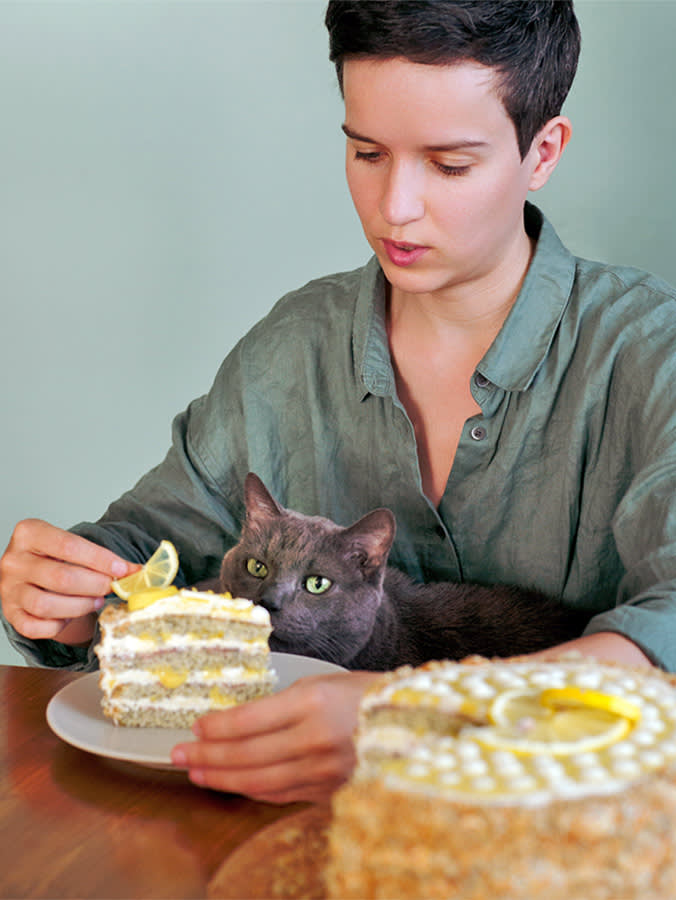
Most “can cats eat lemons” articles work hard to answer a question your cat has already settled. Cats are repelled by citrus. The sharp smell of a lemon sends most of them out of the room, which means lemons almost never make it to the “tempting snack” stage in the first place. So the useful version of this article isn’t about whether a cat should eat lemon flesh. It’s about the part of the lemon a cat might actually get exposed to, the peel, the leaves, and especially concentrated citrus oils, because that’s where the genuine toxicity lives.
The built-in “no”
Cats have a far more sensitive sense of smell than we do, and citrus is high on the list of scents they instinctively avoid. That aversion is doing you a favor. It’s the reason a bowl of lemons on the counter isn’t the hazard a bowl of, say, grapes would be. Your cat isn’t going to sit and eat a lemon.
That instinct is likely tied to the essential oils in the peel, the same compounds that make citrus smell “clean” to us. Which is the tell: the thing that keeps cats away from lemons is also the thing that makes lemons risky for them.
Where the real danger is
The flesh of a lemon is intensely sour and acidic, but a small lick isn’t toxic. The parts that are genuinely a problem are the peel, the pith, the leaves, and any concentrated form of the plant. These contain essential oils like limonene, plus compounds called psoralens. In a cat, exposure to enough of them can cause drooling, vomiting, diarrhea, loss of appetite, and in some cases tremors or skin irritation.
The highest-risk form isn’t the fruit at all, it’s concentrated citrus products: essential oils, some “natural” citrus-based cleaners, and citrus-oil pest sprays. A cat won’t eat a lemon peel by choice, but it can absorb these oils through its skin or groom them off its coat, and the concentrated dose is where cats actually get sick.
The lemon in your fruit bowl isn’t what worries me, the cat won’t touch it. What I ask about is the citrus essential oil someone’s diffusing, or the lemon-oil spray used near where the cat sleeps. That’s the concentrated version, and cats don’t have great defenses against those oils. That’s the exposure that lands them in my exam room.
There’s one more small caveat for the rare cat who does like sour things. Lemon is highly acidic, and repeated licks or bites can erode tooth enamel and even shift the pH of a cat’s urine, nudging them toward urinary trouble. Another reason to keep the fruit out of the routine.
What a cat actually needs (and it isn’t lemon)
Lemons do carry vitamin C, fiber, and antioxidants. None of it matters for your cat. Cats make their own vitamin C, and a complete and balanced cat food already supplies the fiber and everything else. There is no nutritional argument for lemon in a cat’s diet, only reasons to skip it. If you want to share fruit, there are far better, safer, and more appealing options.
What newer research adds
The steadiest development here isn’t about lemons as food, it’s about how much concentrated citrus we now keep at home. Essential-oil diffusers and citrus-scented “green” cleaners have become common, and veterinary toxicology resources have grown more vocal that these are a meaningful exposure route for cats. The concern is the same limonene and linalool that make citrus smell fresh, delivered in a far more concentrated form than any fruit. Cats metabolize these compounds slowly, so what’s fine to diffuse around people isn’t automatically fine around a cat.
The takeaway has shifted with the products, not the biology: the modern lemon risk to a cat is less the fruit on the counter and more the citrus oil in the air or on a surface. Keep concentrated citrus products away from spaces your cat uses, and if you diffuse oils, do it where your cat can leave the room.
The bottom line
Your cat has already voted on lemons, and the answer is no. Lean into that. Don’t try to feed lemon, don’t worry much about the fruit itself, and put your attention where the actual toxicity is: the peel, the leaves, and above all concentrated citrus oils and sprays. Keep those out of your cat’s space, and the lemons in your kitchen stay exactly what they should be, yours.
References
- ASPCA Animal Poison Control Center. “Lemon (Citrus limonia).”
- Pet Poison Helpline. “Citrus and Essential Oils.”
- Cummings School of Veterinary Medicine, Clinical Nutrition Service. “The ABCs of Vitamin C.”
- National Research Council. “Nutrient Requirements of Cats.”
Common questions
Are lemon essential oils dangerous for cats?
Yes. Concentrated citrus oils are a bigger concern than the fruit. They contain high levels of limonene and related compounds and can cause drooling, vomiting, tremors, or skin irritation.
Why do cats hate lemons?
Cats have a sharp sense of smell and are naturally repelled by citrus scents, likely due to the essential oils in the peel. It appears to be a built-in aversion.
Not a substitute for your vet. Our guidance is educational. For urgent symptoms, contact a vet or emergency clinic right away. Editorial standards
Dr. Nair is a veterinarian focused on diet and feeding. She covers everyday nutrition, treats, and the many "can they eat this?" questions owners ask, grounding each answer in what is actually safe and sensible for dogs and cats.
Meet our experts ↗Keep reading
 FoodCats and Peaches: The Sweet Flesh Is Safe. The Pit Is a Trip to the ERDr. Lena Park · 5 min
 FoodThe Foods That Poison Cats Are Hiding in Plain SightDr. Lena Park · 8 min
 FoodYour Cat Ate a Cockroach. The Bug Isn't the Problem. What's on It Is.Dr. Priya Nair · 5 min
 FoodThe 'Natural' Raw Diet Is Failing Cats on Two FrontsDr. Amara Solis · 7 min
 Health & WellnessCinnamon Won't Hurt Your Cat. Cinnamon Oil Can.Dr. Priya Nair · 5 min
 FoodRaw Chicken for Cats Got Measurably More DangerousDr. Mara Chen · 6 min