


The 'Natural' Raw Diet Is Failing Cats on Two Fronts
Raw feeding promises a wilder, healthier cat. The evidence points the other way: an unbalanced raw diet caused fatal heart disease in a landmark study, and raw meat is now killing cats through bird flu. Here's what the research actually shows.
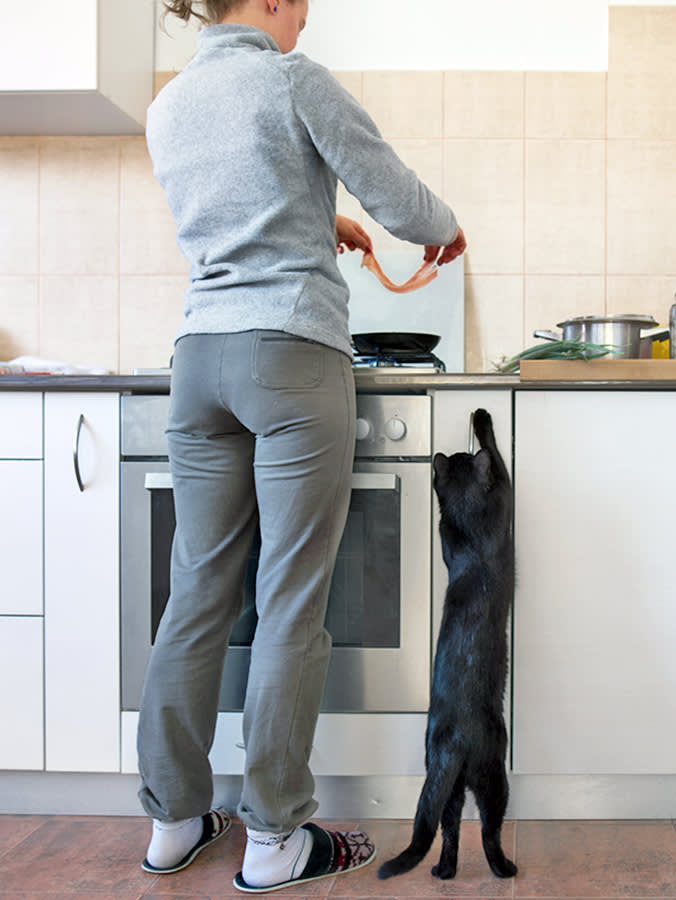
Food is love, and few decisions feel more loving than trying to feed your cat the way nature “intended.” That’s the emotional core of raw feeding, sometimes called a BARF diet, for biologically appropriate raw food, and it’s why the pitch is so persuasive: a shinier coat, stronger immunity, better digestion, a cat closer to its wild self. The trouble is that when researchers actually test those promises, they don’t hold up, and the risks that show up instead are serious. Two of them, in particular, have turned raw feeding from a debatable choice into a genuinely dangerous one.
The benefits don’t survive scrutiny
Start with the claims, because they’re the whole reason people take the risk. Proponents credit raw diets with glossier coats, disease prevention, and firmer stool. When these are studied under controlled conditions, the purported improvements largely fail to appear. The closest thing to a documented benefit comes from dog research, where puppies fed a larger share of raw, meat-based food had a lower rate of ear infections later, and that’s dogs, not cats. For cats specifically, there are no proven benefits to feeding raw meat. What’s left is a diet chosen on faith, carrying costs that are very well documented.
Front one: an unbalanced raw diet can starve a cat of what it needs
Here’s the finding that should give any raw feeder pause. Researchers at the University of California, Davis fed cats a diet of ground, raw, whole rabbit, about as “natural” and species-appropriate as raw feeding gets. Within ten months, every cat developed a taurine deficiency. Taurine is an essential amino acid for cats, and they can’t make enough of their own. More than 70 percent of those cats developed measurable changes in heart function, and one died of heart disease, despite looking outwardly healthy the whole time.
That last detail is the dangerous part. A cat sliding into taurine-deficient heart disease can appear completely fine until it isn’t. Balancing a homemade diet for an obligate carnivore, getting the protein, fat, calcium, taurine, vitamins, and minerals in the right ratios, is genuinely hard, and it is not something to improvise from online recipes. If you’re committed to raw despite everything, a board-certified veterinary nutritionist is not optional; they’re the difference between a balanced diet and the rabbit study.
The Davis rabbit study still shapes how I talk about raw feeding. These were cats eating a whole-prey diet, the supposed gold standard, and most of them developed heart changes from taurine deficiency within a year, with one dying. What stays with me is that they looked healthy right up until they weren’t. Owners tell me their raw-fed cat seems great, and I believe them, but ‘seems great’ is exactly what those cats looked like too.
Front two: raw meat is now a bird flu vector
The infection risk was always part of the raw story. Raw meat routinely harbors Salmonella, E. coli, Listeria, and Clostridium, and cooking exists precisely to kill them. Even a cat who doesn’t get sick can shed these bacteria and infect the vulnerable people and pets around them. Raw diets have also been tied to rarer, frightening infections, including cases of feline tuberculosis traced to a commercial raw food.
Then bird flu arrived. Since late 2024, H5N1 avian influenza has been linked to a string of pet-cat deaths connected to raw meat, raw poultry, and raw milk, with multiple raw pet food brands recalled after cats died and lab testing matched the virus in the food to the virus in the cat. In cats, H5N1 is often fatal and can cause severe respiratory and neurological disease. This isn’t a theoretical hazard from the fringes of the diet; it’s an active, documented cause of death in ordinary pet cats fed commercial raw food.
And then there are the bones
Raw feeding often comes packaged with raw bones, sold as nature’s toothbrush. In practice, whole bones, raw or cooked, are one of the most common causes of dental fractures in cats, and a fractured tooth is both painful and an open door to deep infection at the root. Swallowed bone brings its own emergencies: pieces can lodge in the esophagus and require urgent removal, and bone fragments that reach the intestines commonly cause severe constipation, turning stool into rock-hard, hard-to-pass masses. The dental-cleaning benefit is not worth any of that.
What cooking actually costs you: nothing
The strongest argument for raw is that cooking must destroy something valuable. It doesn’t. Studies show cooking meat does not significantly change its macronutrient digestibility or the total energy a cat gets from it. Cooking makes meat safer without making it meaningfully less nourishing. So the central trade of raw feeding, accepting real risk to preserve a benefit, rests on a benefit that cooking doesn’t take away in the first place.
If you still want to feed raw
Some owners will proceed anyway, and the goal then is harm reduction. Choose a commercial raw diet that uses high-pressure pasteurization on all products, to limit cross-contamination, and that carries an AAFCO statement of nutritional adequacy so the diet is at least formulated to be complete. Work with a veterinary nutritionist rather than a recipe blog. During the current H5N1 outbreak, understand that even these precautions don’t eliminate the bird flu risk, which is why most veterinary organizations currently advise against raw meat and raw milk for cats.
What’s new since this was written
The bird flu development is the big change. Across 2025, the FDA, CDC, and AVMA documented repeated raw-pet-food recalls after H5N1 killed cats, confirmed feline cases in several states including strictly indoor cats, and at least one case of a cat passing the virus to a person. Guidance from these agencies now names raw meat, raw poultry, and raw milk as routes to severe, frequently fatal H5N1 in cats and recommends avoiding them while the outbreak is ongoing.
If a raw-fed cat develops fever, lethargy, appetite loss, labored breathing, or neurological signs like tremors, incoordination, or seizures, treat it as urgent, call your vet, and mention the raw diet so the clinic can prepare. Those neurological signs are a red flag that separates possible H5N1 from a routine upset stomach.
Safer ways to give your cat a meaty treat
You can satisfy a meat-loving cat without the risk. A little cooked, plain chicken or turkey is safe and delivers the same protein. A small amount of canned tuna in water makes most cats swoon, kept to under 10 percent of daily calories. A lick of plain, unsweetened yogurt is fine for many cats in small amounts. And a spoonful of plain cooked rice, oddly enough, is a treat plenty of cats enjoy.
Foods to keep well away
Grapes and raisins can harm cats’ kidneys, so sweep up any that hit the floor. Chocolate is toxic even in small amounts. And anything with garlic, onion, or leeks, including broths and soups flavored with them, can destroy red blood cells and cause anemia.
FAQs
Are there any proven benefits of raw meat for cats? No. The commonly cited benefits, better coat, immunity, and stool, have not been confirmed in controlled studies of cats, while the risks are well documented.
Can a cat be healthy on raw meat alone? No. Plain raw meat is not complete and can leave cats deficient in taurine and calcium, among other nutrients. Taurine deficiency can cause fatal heart disease.
Is commercial raw food safer than homemade? Somewhat, if it uses high-pressure pasteurization and carries an AAFCO adequacy statement, but even commercial raw products have been recalled for H5N1, so it’s not risk-free.
References
- Davies RH, et al. “Raw Diets for Dogs and Cats: A Review, with Particular Reference to Microbiological Hazards.” Journal of Small Animal Practice, 2019.
- American Veterinary Medical Association. Raw or Undercooked Animal-Source Protein in Cat and Dog Diets.
- O’Halloran C, et al. “Feline Tuberculosis Caused by Mycobacterium bovis Infection of Domestic UK Cats Associated with Feeding a Commercial Raw Food Diet.” Transboundary and Emerging Diseases, 2021.
- American Veterinary Medical Association. Cat deaths linked to bird flu-contaminated raw pet food, 2025.
- Kerr KR, et al. “Apparent total tract energy and macronutrient digestibility of domestic cats fed extruded, raw beef-based, and cooked beef-based diets.” Journal of Animal Science, 2012.
Not a substitute for your vet. Our guidance is educational. For urgent symptoms, contact a vet or emergency clinic right away. Editorial standards
Dr. Solis is a board-certified veterinary dermatologist with over twelve years of clinical experience. She advises on skin conditions, allergies, and grooming practices that affect coat and skin health. All dermatology and allergy content at The Pet Times is reviewed by her team before publication.
Meet our experts ↗Keep reading
 FoodPeas Off Your Plate Are Fine for Cats. Peas in the Bag Are the Ones to Read AboutDr. Amara Solis · 6 min
 FoodFor a Carnivore, 'Is It Safe?' Is the Wrong Question About Human FoodDr. Priya Nair · 6 min
 FoodYour Cat Can Eat Dog Food. One Missing Nutrient Means They Can't Live on ItDr. Ravi Mehta · 7 min
 Food'Freeze-Dried' Tells You Nothing About Your Cat's Food. Two Labels Do.Dr. Priya Nair · 8 min
 FoodWet Cat Food and the 2-Hour Rule: The Clock Starts the Second You Open the CanDr. Amara Solis · 7 min
 FoodThe Foods That Poison Cats Are Hiding in Plain SightDr. Lena Park · 8 min