


Pumpkin Is the Rare 'Human Food' Your Cat Might Actually Need
Most people foods are pointless for cats. Plain pumpkin is the exception: a genuine fiber tool for constipation and loose stool, if you use it right and skip the spice.

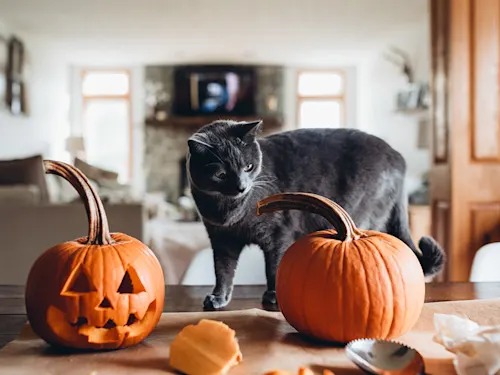
Most of the “can my cat eat this?” questions have the same underlying answer: sure, it won’t poison them, but it doesn’t help either. Pumpkin is the honorable exception. Plain pumpkin is one of the few people foods that does a real, specific job for a cat, and vets reach for it on purpose. The catch is that it’s a tool, not a treat, and the version that helps looks nothing like the pumpkin-spice everything that shows up every fall.
Why pumpkin actually earns its place
The reason pumpkin works comes down to fiber. It carries a mix of soluble and insoluble fiber, and that combination is genuinely useful in a cat’s gut. Insoluble fiber adds bulk to stool, which helps with mild constipation. Soluble fiber feeds the beneficial microbes in the gut and can help firm up loose stool. And because canned pumpkin holds a lot of water, it adds gentle moisture to the diet at the same time, which matters for cats who don’t drink enough.
That’s why “add a little pumpkin” is standard advice for a cat with mild, occasional constipation or a bout of soft stool. It’s mild, most cats tolerate the taste mixed into food, and it works from both directions: bulking things up when they’re too loose, easing things along when they’re too firm. It is not a cure for chronic gut disease, and a cat with ongoing problems needs a real diagnosis and possibly a prescription high-fiber diet, but as a first, gentle nudge, pumpkin does something most snacks can’t.
Pumpkin is one of the few pantry foods I actively recommend, but I’m always specific about it. I mean a teaspoon of plain pumpkin stirred into wet food, not a pumpkin-flavored anything. Used that way it can settle a mild stool problem without a vet visit. Used carelessly, all that fiber just gives you a gassy, uncomfortable cat.
The spice is the whole danger
Here’s where owners get into trouble. The pumpkin that helps and the pumpkin that hurts sit inches apart on the same shelf. Plain canned pumpkin is safe. Canned pumpkin pie filling is not, because it’s loaded with sugar and pumpkin-pie spices. Those spice blends lean on cinnamon and nutmeg, and both are unsafe for cats, nutmeg in particular. Anything labeled pumpkin spice, or a dish cooked with pumpkin plus butter, garlic, or onion, is off the table.
So the rule is blunt: the only pumpkin a cat should get is plain, 100 percent pumpkin, cooked or canned, with nothing added. Read the can. If it lists sugar or spices, it’s the wrong one.
What pumpkin brings besides fiber
Pumpkin does carry other nutrients, though they matter less than the fiber. It has beta-carotene, an antioxidant that helps protect cells, though here’s a quirk of cat biology worth knowing: unlike humans, cats can’t convert beta-carotene into vitamin A. They must get vitamin A directly from animal sources in their diet, which is one more reason pumpkin supplements a good cat food rather than replacing any part of it. Pumpkin also supplies modest amounts of magnesium and potassium, minerals involved in muscle, nerve, and heart function. Nice extras, but the reason to keep a can around is the fiber.
How to use it without overdoing it
Because pumpkin’s whole benefit is fiber, more is emphatically not better. Too much fiber at once causes exactly the problems you were trying to fix: gas, bloating, and diarrhea. Start with a teaspoon stirred into wet food, cap it around one to two teaspoons a day, and give your cat’s system a day or two to respond before adjusting. Skip the seeds entirely; their size and shape make them a choking or obstruction risk. And remember the 90/10 rule, since even a helpful add-in shouldn’t crowd out the complete, balanced food that carries the protein and taurine a cat can’t get from a gourd.
If a stool problem doesn’t improve in a couple of days, or your cat is straining, vomiting, or off their food, stop the home remedy and call your vet. Persistent constipation and chronic diarrhea both have causes pumpkin can’t touch.
What’s new since this was written
Feline nutrition research has leaned further into fiber and the gut microbiome in recent years, and the picture supports what vets have long done by instinct: the type and balance of fiber matters as much as the amount, which is exactly why a mixed-fiber food like pumpkin behaves so gently. Newer clinical guidance frames pumpkin as a reasonable first step for mild, occasional stool trouble while stressing that recurring issues deserve a proper workup rather than an ever-bigger scoop of pumpkin.
The other shift is about weight. With cat obesity rising, the Association for Pet Obesity Prevention’s 2024 survey found a third of owners now report an overweight cat, fiber’s role in helping cats feel full on fewer calories has drawn fresh interest. A small amount of pumpkin can add satiety during a weight-loss plan, but it’s a supporting player, not a diet on its own, and it should always be counted inside the day’s calories.
Other people foods that are genuinely fine for cats
If you like sharing, a few foods are safe in small amounts: a bite of plain cooked chicken or turkey, a little plain cooked egg, or a couple of blueberries. These at least bring protein or antioxidants a cat can partly use. Carrots and cooked squash are safe too but, like pumpkin, are fiber add-ins rather than staples.
People foods to keep away from cats
Some foods are hard nos: garlic and onion (and anything cooked with them) can destroy red blood cells and cause anemia; grapes and raisins can harm the kidneys; chocolate is toxic; and dairy causes digestive upset in most adult cats. Milk, despite the storybook image, usually means an unhappy stomach.
FAQs
Can cats eat raw pumpkin? Yes, plain raw pumpkin is non-toxic, and it’s actually higher in fiber than cooked, so use even less. Most cats accept cooked or canned pumpkin more easily.
Why does my cat like pumpkin? Likely the mild smell and the satisfying, soft texture. It’s inoffensive to most cats, which is part of why it mixes so well into food.
Can pumpkin replace my cat’s fiber medication? No. For chronic constipation or GI disease, pumpkin is a mild add-on at best. Follow your vet’s plan rather than substituting pumpkin for prescribed treatment.
References
- US Department of Agriculture, FoodData Central. Pumpkin, canned, without salt.
- Green AS, Fascetti AJ. “Meeting the Vitamin A Requirement: The Efficacy and Importance of β-Carotene in Animal Species.” The Scientific World Journal, 2016.
- ASPCA. “When Pumpkin Spice Is Not So Nice.”
- Association for Pet Obesity Prevention. 2024 Pet Obesity Survey Results.
Not a substitute for your vet. Our guidance is educational. For urgent symptoms, contact a vet or emergency clinic right away. Editorial standards
Dr. Park is a board-certified emergency and critical care specialist. She reviews our health and safety content for clinical accuracy and contributes guides on recognising urgent conditions. Her focus is helping owners act quickly and correctly when it matters most.
Meet our experts ↗Keep reading
 FoodCats Can Eat Pineapple. They Literally Can't Taste the Point.Dr. Ravi Mehta · 3 min
 FoodThe Tomato Is Safe for Your Cat. The Plant Can Poison Them.Dr. Priya Nair · 6 min
 FoodPeanut Butter Is a Dog Trick. Here's Why It's Riskier for Your CatDr. Mara Chen · 4 min
 FoodYogurt Won't Fix Your Cat's Gut. Here's What Actually Might.Dr. Lena Park · 6 min
 FoodYour Cat Is Built to Eat Pork. The Deli Counter Is Where It Goes WrongDr. Amara Solis · 6 min
 FoodThe 'Superfood' Strawberry Does Nothing for Your Cat. They Can't Even Taste ItDr. Priya Nair · 5 min