


New York Is Handing Shelters $10 Million. The Real Story Is the Deadline Next Month.
New York's latest round of animal shelter funding arrives at the exact moment a sweeping new care law takes effect. For the state's rescues, the money and the mandate are the same story.

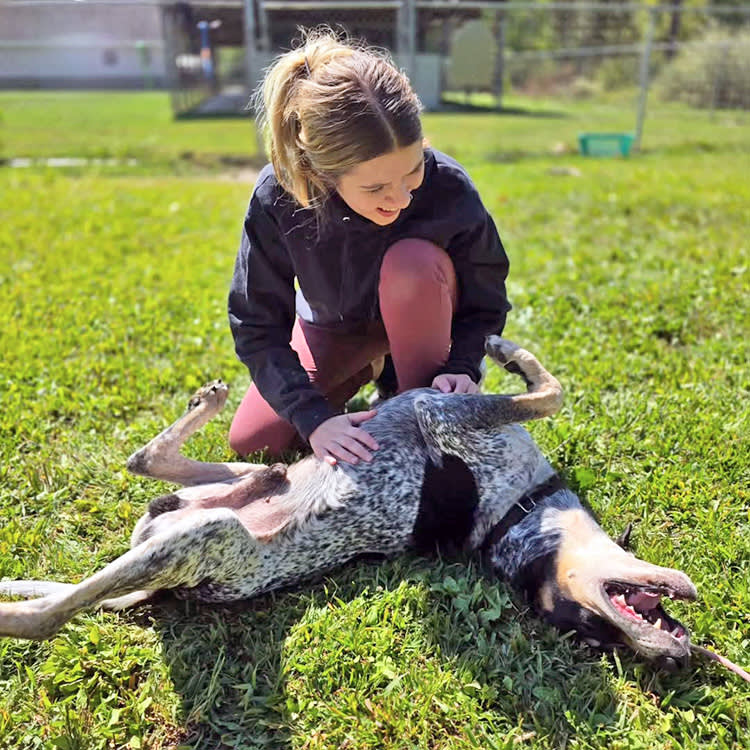
On November 18, Governor Kathy Hochul announced that New York would put another $10 million toward its animal shelters through the state’s Companion Animal Capital Projects Fund. On its own, that’s a feel-good headline. Read alongside what happens in the state four weeks later, it looks more like a lifeline handed out with a warning attached.
The money, and where it goes
The Companion Animal Capital Projects Fund is not new. Launched in 2017, it remains the only fund of its type run by any state government, built to help humane societies, non-profit pounds, rescues, and municipal shelters pay for the unglamorous work of staying open: construction, renovation, and expansion. With this latest round, the fund has now steered roughly $48 million to about 161 organizations over eight years.
The projects it has paid for in past cycles are exactly the things that quietly determine whether an animal’s stay is bearable: upgraded living spaces, better HVAC and heating, expanded medical rooms, and general infrastructure repair. Hochul framed this eighth round as critical, arguing that shelters and humane societies are essential to giving companion animals a safe place to wait for a home. Libby Post, who leads the state’s animal protection federation, put the impact more plainly, crediting the fund with meaningfully improving life for thousands of sheltered animals statewide.
To get a share, organizations have to apply online by 4 p.m. Eastern on January 30, 2026, with a clear work plan, timeline, and cost estimate. One million dollars of the total is set aside specifically for independent groups in underserved regions.
Why the timing is the point
Here is what turns a routine funding announcement into something rescues need to pay attention to. The money lands just weeks before New York’s Companion Animal Care Standards Act, known as Article 26-C, takes effect on December 15.
Passed in 2022, with input reviewed by the Association of Shelter Veterinarians, the law fully rewrites the section of state agriculture law dedicated to animal welfare. The state’s own protection federation has called it one of the most consequential shelter proposals in decades, and it changes the baseline for what a licensed rescue has to do.
Groups that currently only have to register with the state will now have to apply to be licensed. Beyond the paperwork, the law sets enforceable, inspectable standards for how animals are handled from the moment they arrive. Under the new rules, staff will need to check every incoming animal for injuries within two hours, a veterinarian or trained staffer will need to complete a full physical exam within 24 hours, and core vaccines like rabies and distemper will need to be given within 48 hours. Every employee or volunteer with hands-on animal duties will have to finish specific training within 60 days, covering how to spot cruelty, control infectious disease, and read animal body language safely. Shelters will also face capacity limits and unannounced inspections.
A spokesperson for the state’s Department of Agriculture and Markets has openly encouraged shelters to use this funding round to help them come into compliance with Article 26-C. In other words, the state is aware that meeting the new bar costs money, and it is pointing rescues toward the check.
What it means for the animals, and the people who care for them
For a well-resourced shelter, the new standards mostly formalize what they already do. For a small volunteer rescue or a foster network running on donations and weekends, the picture is more complicated. Some in the state’s grassroots rescue community have raised concerns that licensing fees, facility requirements, and mandatory training could squeeze the very operations that pull hardest-to-place animals out of the system. That worry is real, and it is exactly why the timing of the funding matters: the grants are one of the few tools that can help those groups clear the new bar instead of closing under it.
The larger takeaway is one other states could learn from. New York is not just writing a bigger check or just raising the rules. It is doing both at once, and tying them together, so that “do better” comes with at least part of the budget to actually do it.
Nina Vasquez writes about life at home with pets and the relationships at the heart of it. Her work covers day-to-day living, people-and-pet stories, and the products that fit into a real household, with a warm, grounded take on everyday pet ownership.
Meet our experts ↗Keep reading
 Living'Thank You for Not Ignoring Me': The Street Vet Who Wrote the Book on MercyMarcus Webb · 6 min
 LivingThe Barrier Between People and Their Pets Isn't the Animals. It's the SystemJames Okafor · 5 min
 LivingHe Had No Connection to Ukraine. He Booked the Flight Anyway.James Okafor · 7 min
 LivingWhen ICE Detains an Owner, the Dog Is the Collateral Nobody Planned ForLeila Torres · 5 min
 LivingNearly Half of Abuse Survivors Stay Because of a Pet. These Groups Exist to End That Trap.Nina Vasquez · 7 min
 LivingOne Tourist, 6,000 Spayed Strays, and an Island That ChangedLeila Torres · 6 min