


The ADA Has No Breed List. Your Landlord's Insurance Does.
One New York nonprofit spent years pulling shelter Pit Bulls out of kennels and training them as mobility, hearing, and psychiatric service dogs, for free. The dogs proved the point. The paperwork never caught up.

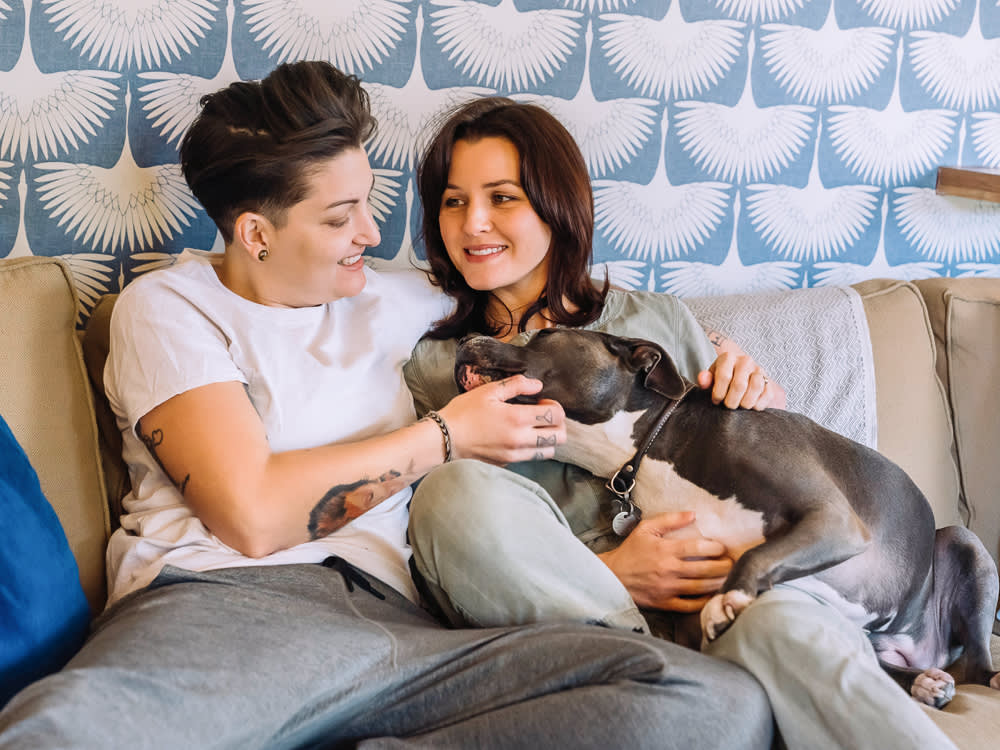
Picture a service dog. You pictured a Golden Retriever, or a Labrador, in a vest, walking slightly ahead of someone at a crosswalk.
That image is not a fact about dogs. It is a fact about supply chains. For decades, the large assistance-dog organizations have bred, raised, and trained their own Labs and Goldens, and they have done it well. The result is that an entire country now has a mental picture of what a working dog looks like, and it happens to look like a purpose-bred retriever.
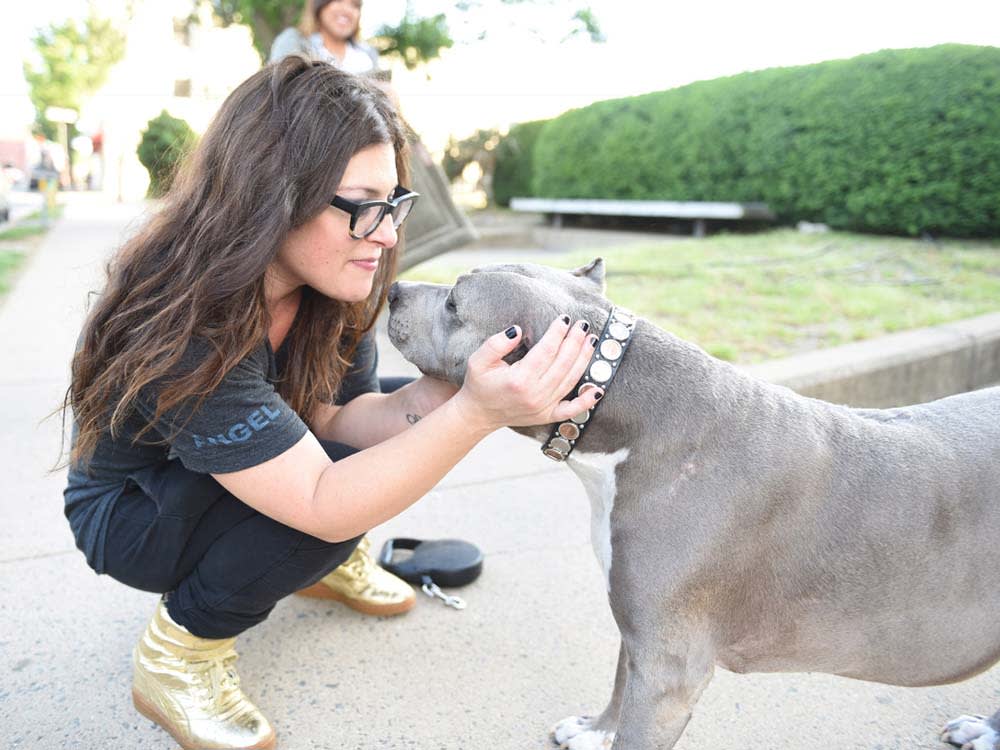
Animal Farm Foundation, a New York nonprofit, spent years making a very deliberate mess of that picture. Its service dogs came out of shelters. Most of them were Pit Bulls, meaning American Pit Bull Terriers and American Staffordshire Terrier mixes. And they worked.
What the program actually did
The dogs were trained for real, individualized tasks: hearing alert work, mobility support, and psychiatric service work. Mobility dogs in the program learned to brace, to help a person regain their footing, to prevent a fall. The dogs were matched to their handlers and placed at no cost to the recipient, which matters more than it sounds like, because a privately trained service dog can run tens of thousands of dollars and the people who most need one are frequently the people least able to buy one.
The selection process is the part every dog owner should understand, because it explains something that breed arguments never do.
Trainers went into shelters looking for dogs who were confident, good with other animals, tolerant of noise, and comfortable being handled. Candidates were typically young adults, roughly fifteen months to three years old. The dogs who passed were transferred to the foundation’s Dutchess County property, where they were evaluated further, over time, before anyone decided what they were suited for.
Notice what is not on that list. Nobody was screening for breed. They were screening for the individual dog, which is the organization’s founding principle and, as it happens, what the behavioral science supports: breed tells you very little about how a particular dog will behave in a particular job.
And the dogs who did not make it were not discarded. Every dog the foundation took in was provided for, most often placed as somebody’s family pet.
“In a shelter kennel, breed is the least useful thing on the card,” says Dr. Amara Solis. “I can tell you far more about whether a dog can do service work from ten minutes of watching how they handle a dropped metal bowl than from a label somebody guessed at during intake. We have been reading the wrong line of the chart for fifty years.”
The reason this matters beyond the individual placements: Pit Bull–type dogs make up an outsized share of the population sitting in American shelters. A program that turns those dogs into working partners is not just doing something nice for one dog. It is attacking the stereotype at its source, using the dogs themselves as the argument.
The law is already on the dog’s side. Sort of.
Here is the part most people, including a lot of landlords, do not know.
The Americans with Disabilities Act has no breed list. A service animal is defined by training and task, not by what it looks like. And federal regulation goes further: a municipality that bans a specific breed of dog must still make an exception for a service animal of that breed. A Pit Bull service dog is legal in a city with a Pit Bull ban. That is not an interpretation, it is the rule.
There is also no certification requirement, no federal registry, and no legally meaningful vest. The online “service dog registration” industry sells documents that do nothing. When a business wants to know, staff are allowed exactly two questions: is this a service animal required because of a disability, and what task has it been trained to perform.
So a shelter Pit Bull with real task training has, on paper, the same access as any Lab from any brand-name program.
And then the handler tries to rent an apartment
Housing is where the story stops being tidy.
Housing runs on the Fair Housing Act rather than the ADA, and the mechanism is different: a housing provider must grant a reasonable accommodation for an assistance animal, and HUD’s guidance is clear that a blanket breed restriction does not cancel that obligation. Good.
In the real world, what a handler runs into is not the statute. It is the insurance policy. Property insurers maintain their own breed lists, and a landlord who is told that admitting a Pit Bull will change their premium tends to become extremely interested in paperwork. Handlers get told the building “doesn’t allow the breed,” get asked for certifications that do not legally exist, and are quietly steered elsewhere. Fighting it means a complaint process, time, and often a lawyer, at exactly the moment when the person needs stable housing and a working dog, not a legal project.
That is the gap this program lived in. The dog could go into the courthouse. The handler could not always get a lease.
What’s new since this was written
The service dog program is now listed among Animal Farm Foundation’s past initiatives. The foundation still exists, and it is still doing this work from a different angle: it consults with shelters around the country on evidence-based training, enrichment, and adoption policy; it runs a family pantry program that keeps pets with owners in hard times; and its Old Friends program places senior shelter dogs. Its research arm, the National Canine Research Council, still tracks breed-specific legislation and breed restrictions in housing and insurance.
It is tempting to read a program moving to the “past” column as a defeat. It is closer to the opposite. The question this program was built to answer, can a shelter dog of the most-maligned type in America be trained to brace a person who is falling, and be trusted to do it every day, for years, has been answered. The dogs answered it. What is left is not a training problem. It is a policy problem, and policy is where the foundation’s people went.
If you are looking for a service dog today, the honest advice has not changed: go to an established program, expect a long wait, and be extremely skeptical of anyone selling certification. If you are looking at a Pit Bull in a shelter kennel and wondering what she is capable of, the answer is that nobody in that building can tell you from the label on her card.
References
- U.S. Department of Justice. ADA Requirements: Service Animals.
- U.S. Department of Justice, 28 C.F.R. § 35.136(i). Service animals: breed restrictions.
- U.S. Department of Housing and Urban Development. FHEO-2020-01: Assessing a Person’s Request to Have an Animal as a Reasonable Accommodation Under the Fair Housing Act.
- Animal Farm Foundation. Past initiatives.
- Animal Farm Foundation. About.
- National Canine Research Council. Breed restrictions in housing and insurance.
Common questions
Can a Pit Bull legally be a service dog?
Yes. The Americans with Disabilities Act defines a service animal by what the dog is trained to do, not by breed. Federal regulation is explicit that local breed bans do not apply to service animals, so a city that prohibits Pit Bulls must still admit a Pit Bull service dog.
Do service dogs have to be registered or certified?
No. There is no federal registry, and the certificates, vests, and ID cards sold online carry no legal weight. Staff at a business may only ask two questions: whether the dog is a service animal required because of a disability, and what task it has been trained to perform.
What makes a shelter dog a service dog candidate?
Temperament, not breed. Trainers look for dogs who are confident, comfortable around other animals, tolerant of noise, and easy to handle. Most dogs of any breed do not clear that bar, which is why washout rates in service work are high everywhere.
My building bans Pit Bulls. Does the law protect my service dog?
Housing runs on a different statute. The Fair Housing Act requires housing providers to make a reasonable accommodation for an assistance animal, and HUD guidance says that obligation is not waived by a breed restriction. In practice, insurers and landlords still push back, and handlers still end up fighting for it.
Dr. Nair is a veterinarian focused on diet and feeding. She covers everyday nutrition, treats, and the many "can they eat this?" questions owners ask, grounding each answer in what is actually safe and sensible for dogs and cats.
Meet our experts ↗Keep reading
 Living'Will My Dog Ever Love Me?' Is the Wrong Question. Watch What They Choose.Dr. Priya Nair · 9 min
 LivingThe Rescue That Saved His Life Nearly Went Under Without HimJames Okafor · 9 min
 LivingA Comment on Instagram Got a Two-Legged Street Dog a Mercedes WheelchairJames Okafor · 5 min
 LivingSome States Once Banned Black Families From Owning Dogs. A Yale Scholar on Why That Still Echoes.Leila Torres · 6 min
 LivingThey Came to Shoot a TV Show. They Left Having Saved 14 Dogs.Sara Lim · 6 min
 LivingA Comedian Built a Movement Around the Dogs Nobody WantedLeila Torres · 5 min