


A Comment on Instagram Got a Two-Legged Street Dog a Mercedes Wheelchair
Rescuer Henry Friedman pulled Bunny, a two-legged Mexican street dog, back from near death. Then a throwaway comment about the 'Mercedes-Benz of wheelchairs' became a real one, and a case study in how brands can amplify special-needs adoption.
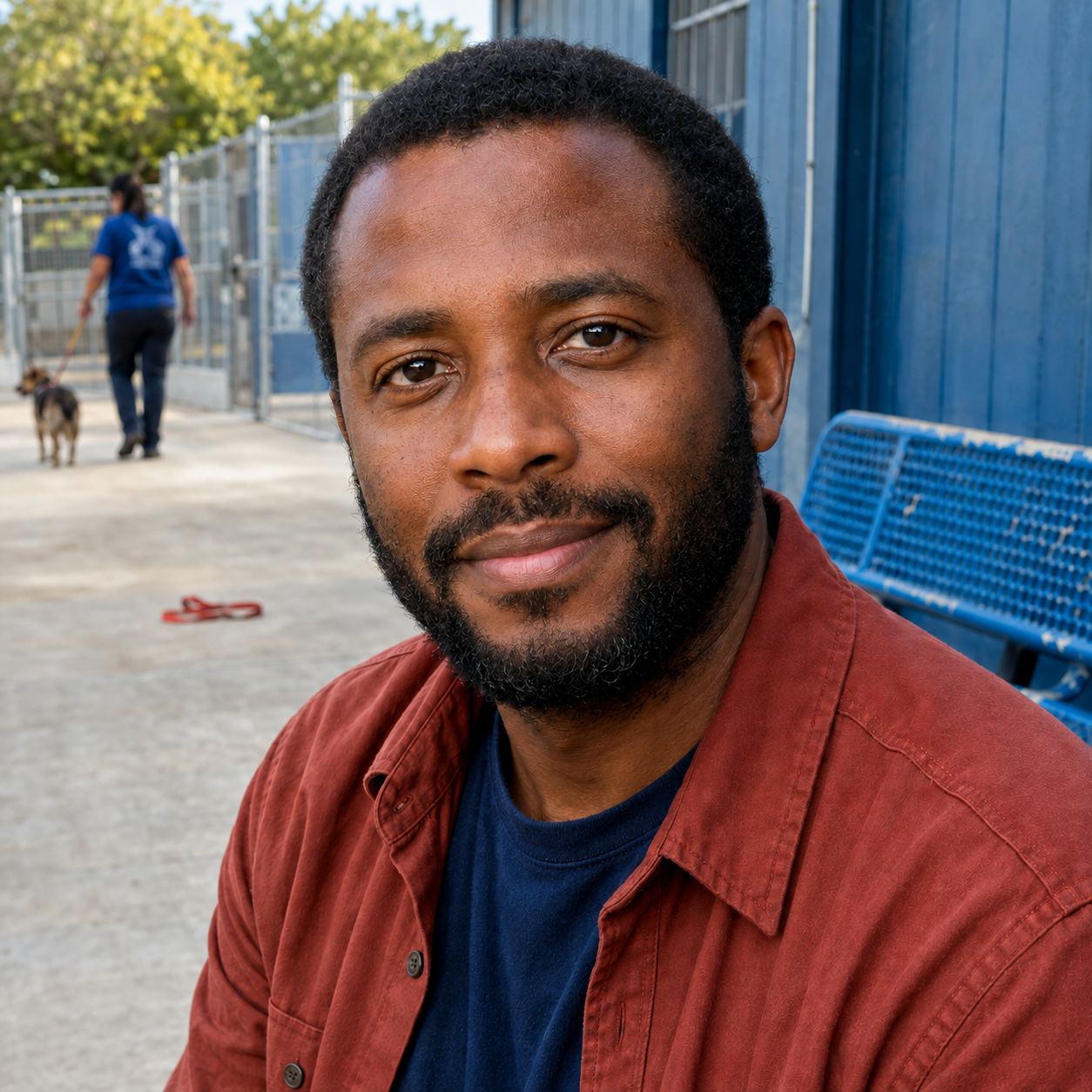
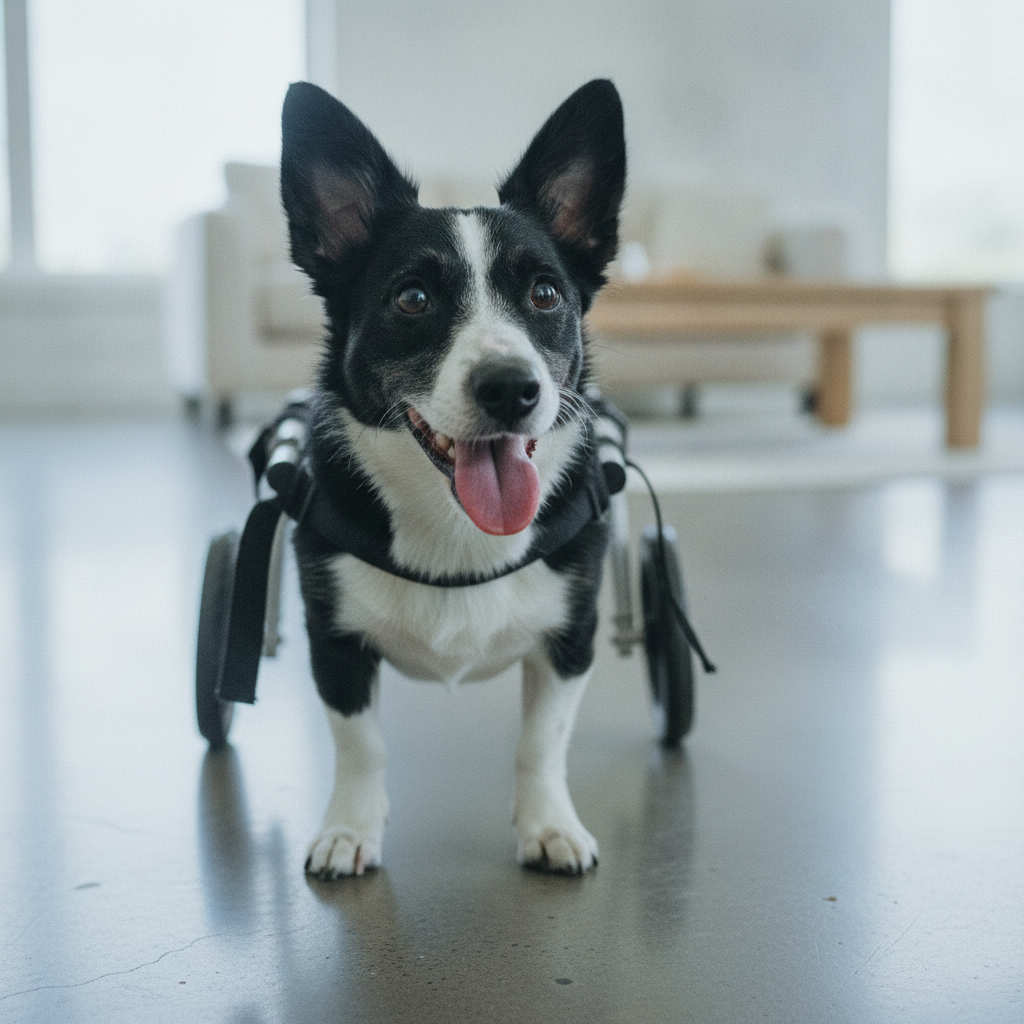
Most rescue stories end at survival. Bunny’s is interesting because of what happened after she was already safe. A small two-legged Mexican street dog, hit by a car and left to die, she was pulled back from the edge by rescuer Henry Friedman and a coalition of donors, then handed something almost no rescued dog gets: a custom wheelchair sponsored by Mercedes-Benz, sparked by a single throwaway Instagram comment. Strip away the luxury-car novelty and what is left is a genuinely useful case study in two things, how a dog with a major disability goes from “unadoptable” to internet-famous, and how a global brand can lend its name to a cause without it feeling like a stunt.
From near death to San Diego
For half a decade, Friedman has lived on the road rescuing abandoned dogs, traveling with his fiancée, Sydney Ferbrache, his dog, Finn, and support from groups like The Animal Pad. Bunny was one of his hardest cases. When his team found her, the question was not whether she would walk again but whether she would survive the night.
“It was much more than surviving the first night; Bunny was fighting the odds for a while,” Friedman tells us. Her bloodwork came back so poor, he explained, that every surgery and treatment carried extra risk.
With help from The Animal Pad, Los Adoptables, and a donor community that raised more than $35,000, she got the urgent care she needed, including surgery to remove both back legs, which had suffered irreparable trauma. The fundraising itself carried a particular weight. “As a rescuer, our goal is always to deliver happy endings,” he said. And with thousands of donors emotionally invested and watching every update, the pressure to produce one ran double: Bunny needed the win, and so did her audience. She beat the odds, and she now lives comfortably in California.
The comment that became a car company
The wheelchair began as a joke in a comment thread. After The Animal Pad shared Bunny’s recovery, someone wrote that she deserved the “Mercedes-Benz of wheelchairs.” Friedman, who runs his entire rescue operation out of a Mercedes Sprinter van and had a relationship with the brand’s U.S. vans team, saw an opening most people would have scrolled past.
“My mind immediately jumped to, that’s an epic idea, let’s pitch that to the Mercedes team and see if we can actually make this happen,” he says. The vans team said yes and sponsored the chair, a bit of global-brand backing he calls the cherry on top of a recovery that was already remarkable.
The actual chair was built by Eddie’s Wheels, a small business in Shelburne Falls, Massachusetts, that has made custom dog carts for over 20 years, the real “Mercedes-Benz of dog wheelchairs,” in Friedman’s telling. Building it took a long list of Bunny’s measurements and photos, then three to four weeks of fabrication. A San Diego van shop, SoCal Customs, applied the Mercedes hubcaps. The branding was the flourish; the engineering underneath it was a specialist’s work.
What special-needs adoption actually asks of you
The most valuable part of Bunny’s story is not the wheelchair. It is the working knowledge Friedman has built about adopting a dog with a major disability, which the average prospective adopter never hears. The fear is that a special-needs dog is an endless project. His experience says otherwise.
The first reframe is about effort. A special-needs dog does ask more of you at first, he says, but the asking shrinks with familiarity until the routine is simply the routine, no more remarkable than any other habit of the household. The constraint is real but finite, and it is bounded by your lifestyle, not by the dog’s disability.
The second is about why these dogs sit in shelters. Adopters walk in carrying a mental picture of their future dog, he points out, and a wheelchair is almost never in that picture, so these dogs get passed over again and again, miscast as broken when nothing about them is. That is the mechanism Bunny’s fame fought directly: visibility is the scarce resource, and a viral wheelchair bought her an enormous amount of it.
The third is practical gear, and here Friedman gets specific. For a dog like Bunny, the toolkit includes a carrying bag (a “bag dog” sling she “slides right into,” so she can come along longer), a drag bag to protect her lower half from rubbing on the ground when she is out of the wheelchair, dog diapers, and enrichment items like a snuffle mat, puzzle toys, or a stuffed Kong to keep a less-mobile dog mentally busy. None of it is exotic. It is the same category of equipment any thoughtful owner uses, chosen for the dog in front of you.
Why the brand angle matters beyond one dog
Friedman is clear that none of this happens without the people and groups who did the unglamorous work, The Animal Pad, Los Adoptables, and the thousands of #teamfinn donors. But he keeps returning to the larger pattern the Mercedes partnership demonstrated. “Dogs can be great ambassadors and messengers for complicated or uncomfortable topics,” he says, including disability itself. And the brand involvement, far from cheapening the story, is exactly what scaled it. Without Mercedes-Benz attached, he is convinced, the story never reaches the scale it did, and his hope is that other big brands watch this play out and want in.
Today Bunny is, in the rescue’s telling, a social butterfly of a dog: friendly with everyone on two legs or four, ruled by her stomach, and carrying just enough sass to keep things interesting. She is still available for adoption through The Animal Pad. The wheelchair got her seen. The point was always to get her home.
References
- The Animal Pad. “Adopt.” theanimalpad.org/adopt.
- Eddie’s Wheels for Pets. “Custom Dog Wheelchairs.” eddieswheels.com.
- Mercedes-Benz Vans USA, sponsorship of Bunny’s custom wheelchair, 2023.
James Okafor covers rescue, adoption, and the causes shaping animal welfare. His work follows the people and organisations working to give more pets a home, and the issues owners and advocates care about most.
Meet our experts ↗Keep reading
 LivingThey Came to Shoot a TV Show. They Left Having Saved 14 Dogs.Sara Lim · 6 min
 LivingThe Rescue That Saved His Life Nearly Went Under Without HimJames Okafor · 9 min
 LivingThe ADA Has No Breed List. Your Landlord's Insurance Does.Dr. Priya Nair · 6 min
 LivingMissouri Tops the 'Horrible Hundred' for a 14th Year. The 2026 Report Is Grim.Nina Vasquez · 6 min
 LivingSome States Once Banned Black Families From Owning Dogs. A Yale Scholar on Why That Still Echoes.Leila Torres · 6 min
 LivingShe's Fostering 23 Dogs. Nobody Posts the Rest of It.Leila Torres · 6 min