


Pet Composting: Turning Your Pet's Remains Into New Life
Cremation and burial aren't the only options anymore. One Colombian startup is composting pets into soil that becomes a tree or flower, an eco-friendly third way to say goodbye.

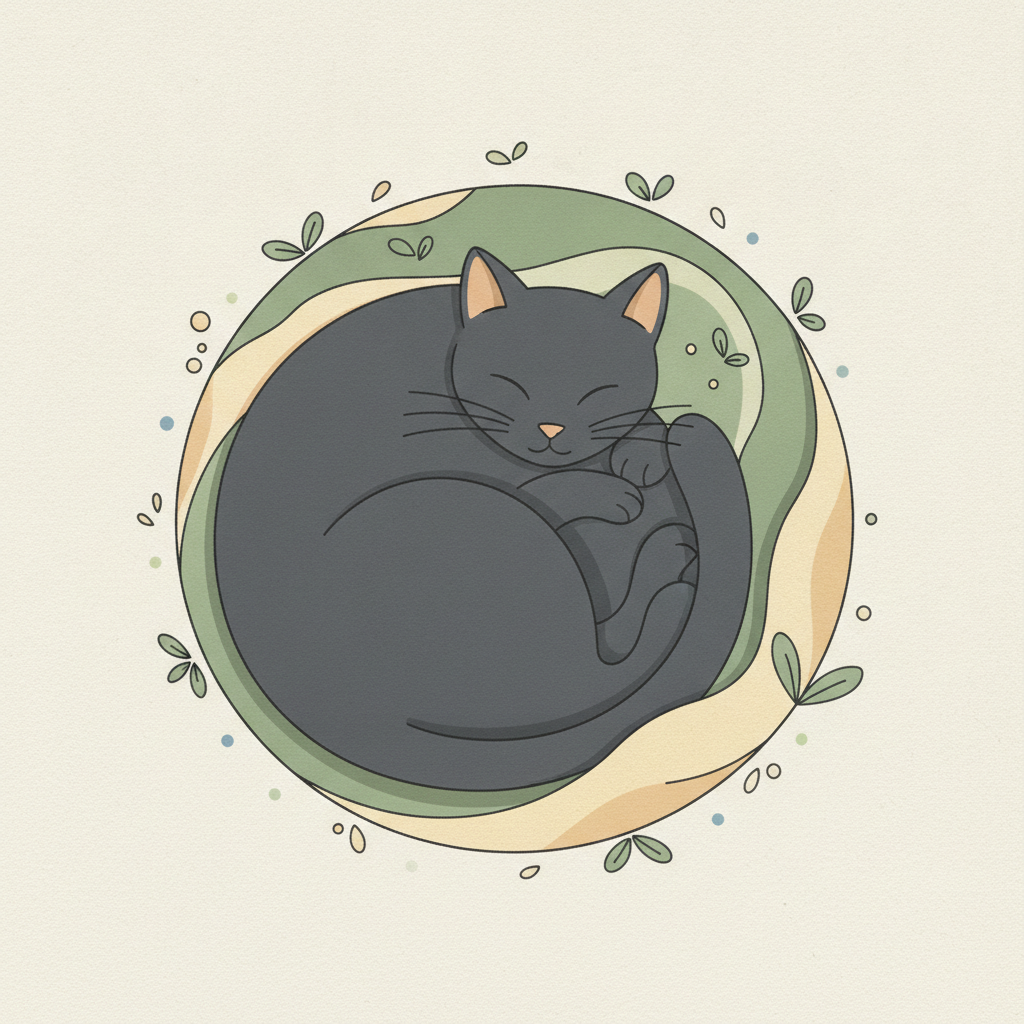
In Judith Viorst’s picture book The Tenth Good Thing About Barney, a family grieves the death of their cat, Barney. The parents ask their son to name ten good things about Barney as they bury him under a tree, but the boy can only come up with nine. As he searches for the tenth, his father invites him to help plant seeds. Seeds do not look like much, the father explains, but “in the ground everything changes.” Barney, too, will change until he is part of the garden, helping flowers, trees, and grass grow. “That’s a pretty nice job for a cat,” the father says. And that is the tenth good thing about Barney.
Burying a pet in the backyard is hardly a new idea, but it is not always simple. Some boards of health prohibit it, and there are often strict rules about how deep the grave must be or how far it has to sit from a water source. There are environmental concerns too, particularly with pets euthanized using a solution that can linger in the soil. And then there is the matter of moving: many people leave pet graves behind when they sell a home, and there is real debate about whether that should even be disclosed. But there may now be a more intentional way to let your pet become part of your garden, transformed into a tree, flower, or plant: composting.
A startup with a different idea about death
Pleia, a startup based outside Medellín, Colombia, was founded in 2018 by Melissa Naranjo Hoyos and Daniel Correa Jaramillo. The pair met in veterinary school, where they were taught that there were only two ways to handle the body of a dead pet: cremation or burial. In their final year, they collaborated on a project investigating the environmental impact of those limited options.
With cremation, about 96 percent of the body is released into the atmosphere as pollution. With burial come the safety concerns already mentioned, plus the question of space. The two researched an alternative that would be environmentally safe, with no atmospheric emissions; energy efficient, using no extra fuel or water; and biosecure, with no risk of pathogens. What they landed on was a process for creating organic compost from pet bodies, inspired by the way a body naturally decomposes after death.
“We see the body as organic matter that can create new life,” Correa Jaramillo has said. “You don’t have to see death as only darkness.”
Their thesis won their university’s prize for excellence, which convinced them it should not just sit in a library. After graduating, they launched Pleia. Pet ownership is high in Colombia, where about seven in ten families have a pet, roughly the same as in the United States, but backyard burial is illegal there. In their first year, Naranjo Hoyos and Correa Jaramillo composted 100 pets total, starting with those of family and friends. Today they compost up to 600 pets a month from across the country.
Once a pet has been composted, owners can either have the soil added to Pleia’s garden, much like choosing a cemetery, or have it returned to them in a pot with a plant of their choosing, grown in that very soil. The process costs anywhere from about $50 to $242 depending on the choices made. That is more than a free (though illegal) backyard burial, but less than a pet cemetery, which often starts around $400, or individual cremation, around $250.
The environmental case is strong. Composting avoids the euthanasia-solution concentration that plain burial can leave behind, sidesteps the soil and groundwater contamination associated with coffin varnishes and formaldehyde in human burials, uses none of cremation’s fuel, and does not claim the long-term space a grave does.
What it’s like for a pet parent
Alejandra Calderón Buenahora, who once lived in Medellín and is now in Mexico City, learned about Pleia from her veterinarian when her dog, Lupita, got sick. She was immediately drawn to the idea. The thought of keeping Lupita close in another form of life felt like the best way to honor the love her dog had given her. Cremation did not appeal to her, since there is little to do with a box of ashes besides set it on a shelf, but she loved the idea of her dog becoming a plant.
After Lupita died, Pleia staff laid her body in their “garden of life,” set on a mountainside with sweeping views of the Colombian countryside. At its center is an open-air greenhouse, a roof on bamboo posts with no walls, beneath which the animals are composted in neat rows of small containers of dirt and wood chips. A grassy expanse surrounds the area, dotted with memorial plaques for animals whose owners chose to leave their remains in the garden.
Composting plant matter like garden cuttings is straightforward, but animal matter requires real technical skill and a precise process. Done wrong, the result can become a new problem. Calderón Buenahora learned this firsthand when she tried to DIY-compost her deceased canary by burying it alongside Lupita’s plant, and the plant nearly died, requiring a whole disinfection process to clear out parasites and fungi. Pleia staff carefully monitor temperature, humidity, and pH as the body composts, and add a proprietary mix of microorganisms to speed decomposition.
Lupita’s body became soil over about three and a half months. The composting itself takes 45 to 60 days, and growing the plant in the resulting soil adds another 15 to 30. Throughout, Pleia sent Calderón Buenahora gentle updates every ten days, no graphic photos, just notes on how the body was transforming. Clients are welcome to visit the garden and be part of the process, and about half do, often bringing messages, photos, and pet toys.
When it was complete, Calderón Buenahora chose two plants, one for herself and one for her family, since Lupita had lived with all of them: a Guayacán amarillo tree that blooms only a couple of times a year, and a night-blooming jasmine. She felt the plants captured Lupita’s personality, since her dog “had the ability to make people bloom in their worst moments.” Instead of ashes to ashes, Lupita went from dog to plant.
The founders do encounter pushback, including from former classmates who find composting too strange, and in a majority-Catholic country they often run into taboos around death, especially when they mention their hope to one day add human composting services.
What’s new since this was written
The idea is spreading. In the United States, a growing number of states have legalized human composting (also called natural organic reduction), and a parallel market for eco-friendly pet aftercare, including pet composting and water-based aquamation, has been expanding alongside it. For pet parents drawn to a greener goodbye, the practical advice is to research providers carefully, since this is a technical process that should not be attempted at home, and to confirm what your local regulations allow. The underlying appeal that Pleia tapped into, transforming a beloved pet into living, growing life rather than ash, continues to resonate well beyond Colombia.
References
- Recompose. “Natural Organic Reduction (Human Composting).” https://recompose.life/how-it-works/
- Pleia. Official site. https://pleia.com.co
- Viorst, Judith. The Tenth Good Thing About Barney. Atheneum, 1971.
Claire Sutton writes about life with pets, from the first days home to the small daily routines that make a household work. Her reporting spans people-and-pet relationships, training basics, and the practical side of bringing a new animal into the family.
Meet our experts ↗Keep reading
 LivingPet-Safe Flooring, Ranked by How Your Dog Actually Uses the FloorLeila Torres · 8 min
 LivingPet-Safe Cleaning Is About How You Clean, Not Just What You BuyNina Vasquez · 6 min
 LivingBury the Bin, Not the Truth: A DIY Dog-Waste Digester, Done SafelyMarcus Webb · 5 min
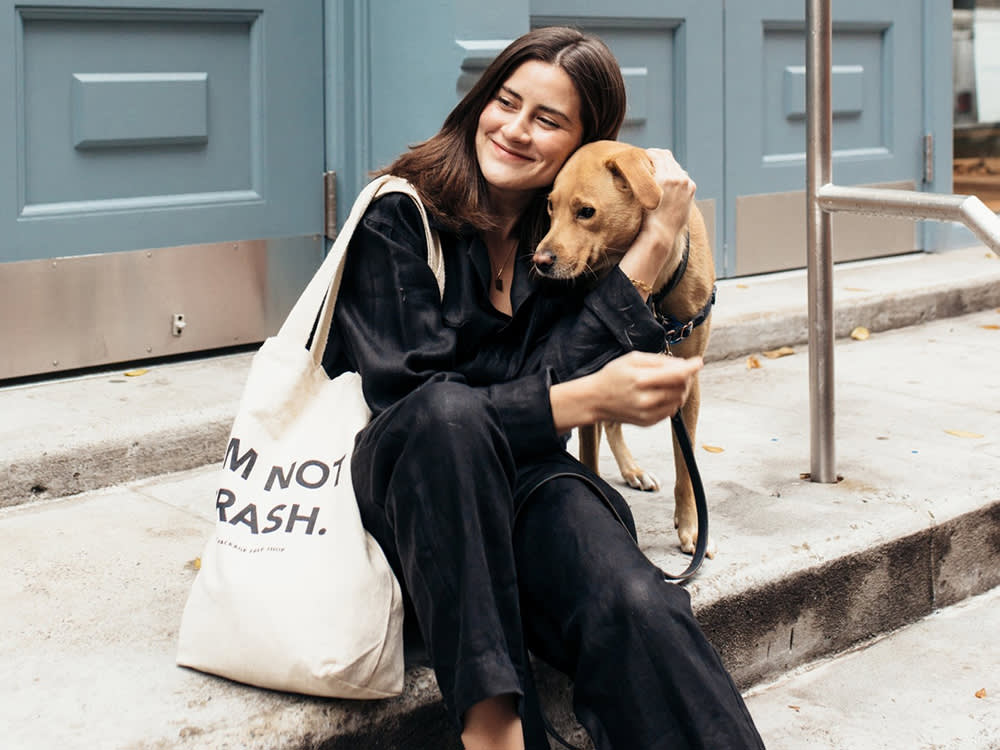 LivingYour Dog's Trash Is Mostly Two Things. Everything Else Is a Rounding Error.Nina Vasquez · 8 min
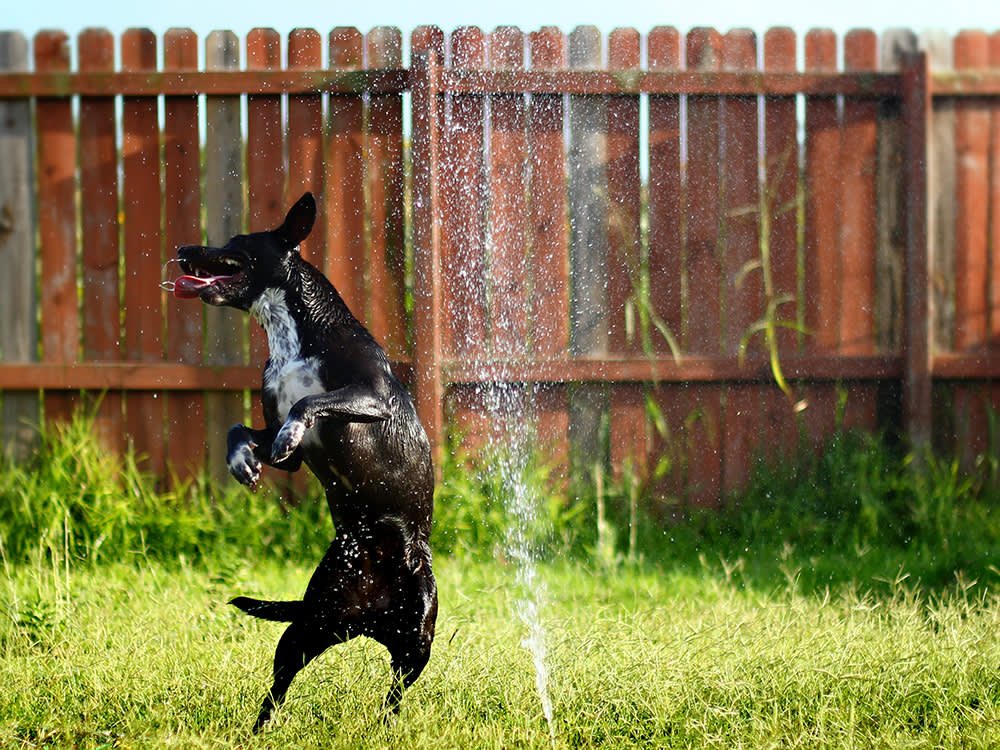 LivingDesign Your Yard Around What Dogs Actually Do, Not What Looks NiceLeila Torres · 6 min
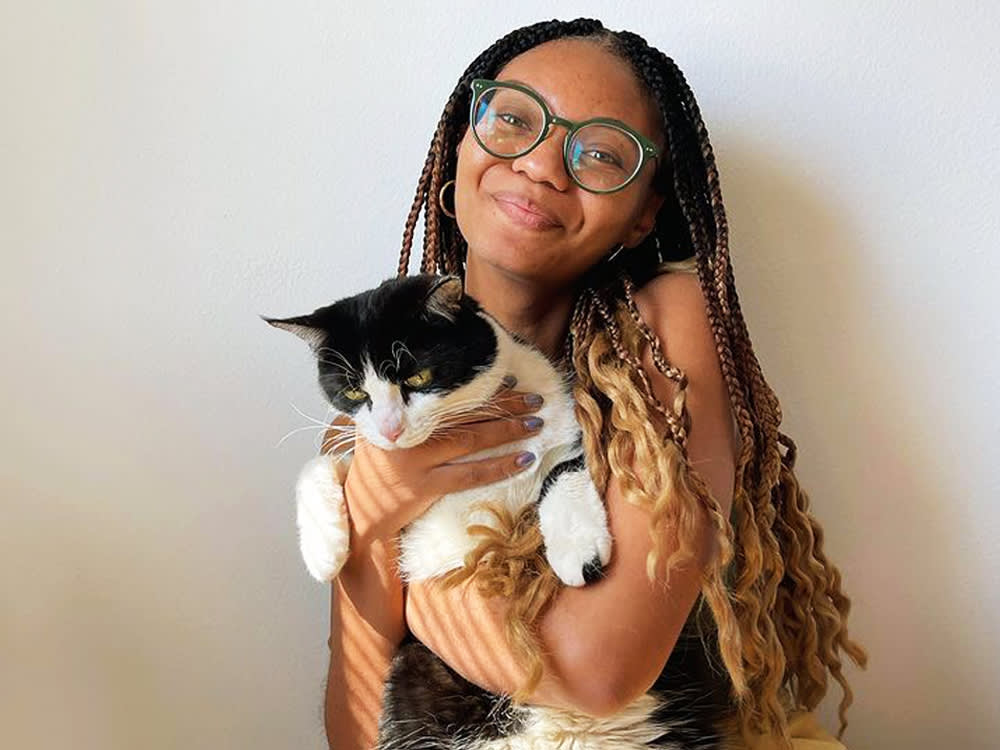 Living"Eco-Friendly" Cat Gear Is Mostly a Sticker. 6 Swaps That Aren't.Nina Vasquez · 8 min