


What It Actually Takes to Fly 29 Street Dogs to a New Life
A rescue flight brought 29 traumatized Antiguan street dogs to U.S. adopters. The feel-good photos hide a logistics chain, and a set of new federal import rules, that make this kind of rescue harder than it looks.

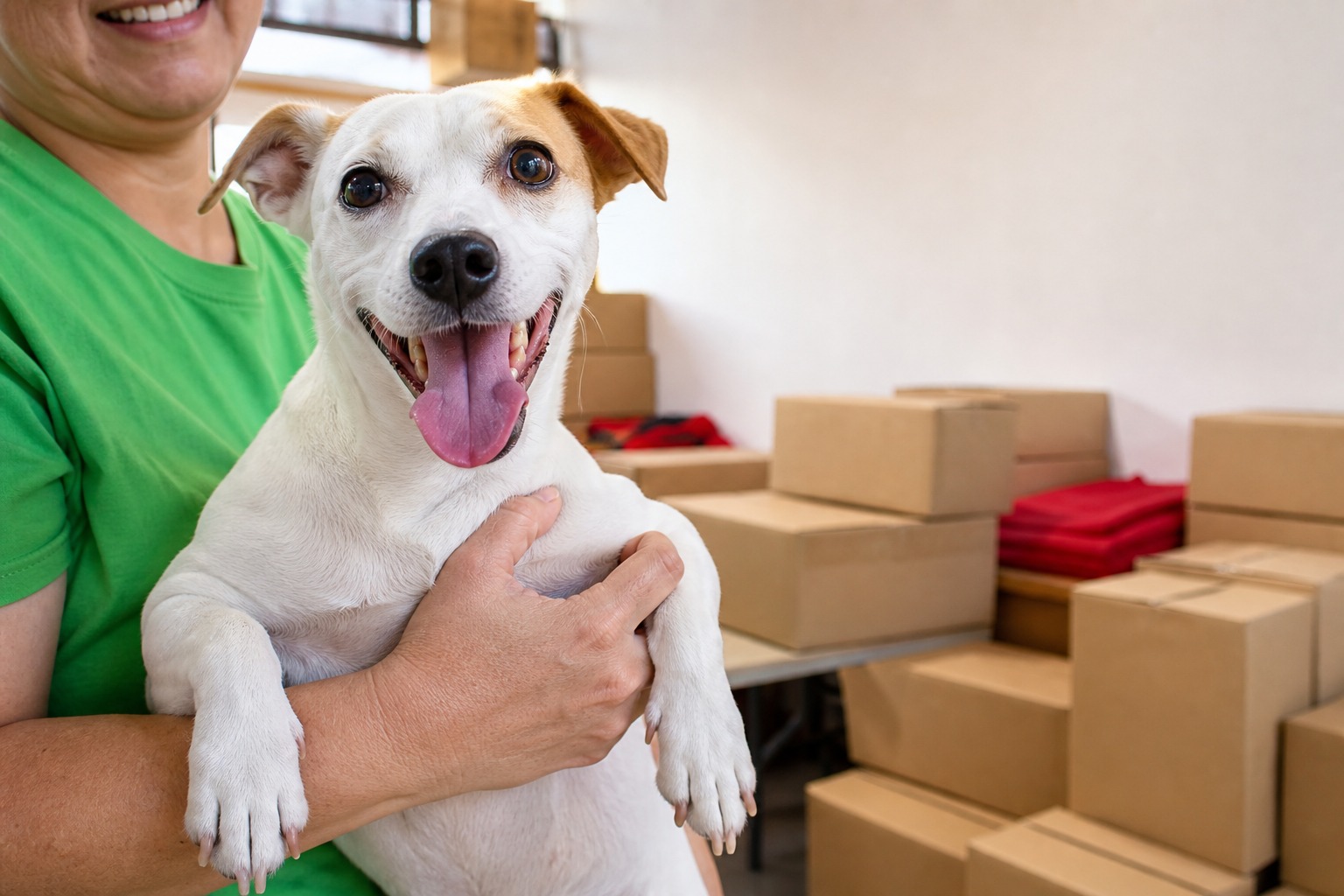
The photo that travels is the happy ending: a rescued dog stepping off a plane into a new life. What it leaves out is everything that had to line up to make that step possible, the vetting, the vaccinations, the international paperwork, and, since the summer of 2024, a tightened set of U.S. rules that have reshaped how dogs can legally enter the country at all. The rescue of 29 street dogs from Antigua is a small, vivid example of how much machinery sits behind a single arrival, and why the people who run it deserve more credit than the airport reunion suggests.
The dogs, and the conditions they came from
Antigua, one of the two islands that make up Antigua and Barbuda, has a street-dog population that local rescuers describe as spiraling. “I find it’s a beautiful island, but when it comes to animals, it’s an absolute crisis zone,” Joy Farrell, founder and executive director of Dogs & Cats of Antigua (DACOA), told People. “We have a dog and cat population spiraling out of control. On a daily basis, it gets worse.”
The 29 dogs on the May 7 flight had survived the kind of circumstances that make the word “rescue” feel literal. Suzie, a two-year-old left paraplegic after being hit by a car, was found abandoned in a gutter before DACOA rehabilitated her. Stilts was so badly malnourished he developed rickets, the bone-softening condition caused by vitamin D deficiency. Mr. Magoo was pulled off a busy highway with mange and an eye infection so severe his eyes were crusted shut. “The poor pup didn’t even realize he was on a busy highway,” Farrell said. After a stretch of care, “Mr. Magoo became a gorgeous little charmer.”
The partnership that got them off the island
DACOA could rehabilitate the dogs, but moving them to where adopters actually are required a partner with reach. That came from Flew the Coop, a nonprofit that provides emergency assistance to animals during disasters and is a program of the Global Empowerment Mission.
Flew the Coop’s founder, Chris Harding, owns a beachfront resort in Antigua and went looking for a way to help the animals in his community. He met with Farrell, learned how DACOA worked, and the two quickly concluded that a chartered rescue flight was the missing link. Together they selected the dogs who were vaccinated and healthy enough to make an international trip, which is itself a triage decision: not every dog who needs out can safely fly.
The rule change that makes this harder than it used to be
Here is the piece the heartwarming coverage almost never mentions. As of August 1, 2024, the CDC overhauled the rules for bringing dogs into the United States, and the changes hit exactly this kind of rescue.
Every dog entering the U.S. now must be at least six months old, have a microchip readable by a universal scanner, appear healthy on arrival, and travel with a completed CDC Dog Import Form receipt. For dogs coming from countries the CDC classifies as high-risk for dog rabies, the requirements stack higher: a valid rabies vaccination, and in many cases a rabies serology titer test from an approved lab, plus reservation at a CDC-registered animal-care facility for some entry routes. The rules apply to everyone, including nonprofit rescues and individuals bringing home a dog they adopted abroad.
For an organization like DACOA, that means a rescue flight is no longer just a matter of finding seats and adopters. It is age cutoffs that exclude the youngest puppies, microchipping every animal, lining up rabies documentation that can take weeks, and getting the federal paperwork exactly right, or watching dogs get turned away at the border. The six-month minimum age in particular reshapes who can go, since so many street-rescue animals are young. The flight that looks effortless in a People headline is, under the hood, a compliance project.
How you can actually help
The dogs from this rescue are available for adoption through partner shelters in several states: Vintage Pet Rescue in Rhode Island, Westchester SPCA in New York, Animal Haven in New York, Big Dog Ranch Rescue in Florida, and Reba’s Animal Rescue in Virginia.
If adopting isn’t possible, the bottleneck for groups like these is rarely goodwill, it is funding and foster capacity. Donations to Dogs & Cats of Antigua and the Global Empowerment Mission pay for the vaccinations, microchips, titer tests, and transport that the new rules now require. The reunion makes the photo. The paperwork and the people behind it make the rescue.
References
- “29 Traumatized Rescue Dogs Get a Second Life After Charity Flight.” People. https://people.com/29-traumatized-rescue-dogs-get-a-second-life-charity-flight-exclusive-8648347
- “CDC Updates Dog Importation Regulation; New Rules Will Start August 1, 2024.” Centers for Disease Control and Prevention. https://www.cdc.gov/media/releases/2024/s0508-Dog-Importation-Regulation.html
- “Bringing a Dog into the United States.” Centers for Disease Control and Prevention. https://www.cdc.gov/importation/dogs/index.html
- “High-Risk Countries for Dog Rabies.” Centers for Disease Control and Prevention. https://www.cdc.gov/importation/dogs/high-risk-countries.html
Leila Torres leads our Living coverage, from home life and travel to the products and rescue stories that come with sharing a life with animals. She edits and writes across the section, with a soft spot for pieces about the bond between people and their pets.
Meet our experts ↗Keep reading
 LivingSouth Korea Banned the Dog Meat Trade. Nobody Planned for the Dogs.James Okafor · 9 min
 Living27 Golden Retrievers, One Backyard: Inside a Rhode Island RescueNina Vasquez · 4 min
 LivingDeputies Seized 44 Dogs From a North Carolina Property. The Second Search Found Over 170 More.Leila Torres · 4 min
 LivingThey Came to Shoot a TV Show. They Left Having Saved 14 Dogs.Sara Lim · 6 min
 LivingA TikTok Freed 40 Chained Dogs. The Part That Made It Work Wasn't the Video.James Okafor · 5 min
 LivingOne of the Longest Partnerships in the Service-Dog World Just Got BiggerJames Okafor · 4 min