


One of the Longest Partnerships in the Service-Dog World Just Got Bigger
Eukanuba has fed Canine Companions' service dogs for more than three decades. The 2024 renewal added a national veterinary network, and that piece may matter more than the kibble.


Some partnerships are quiet enough that you never notice them, right up until you learn how long they have lasted. The relationship between Eukanuba and Canine Companions is one of those. The pet-food maker has supplied the meals for Canine Companions’ service dogs since 1991, more than thirty years, and in 2024 the two renewed their arrangement for at least three more. The headline, though, was not the food. It was a third name added to the deal.
Who these two are
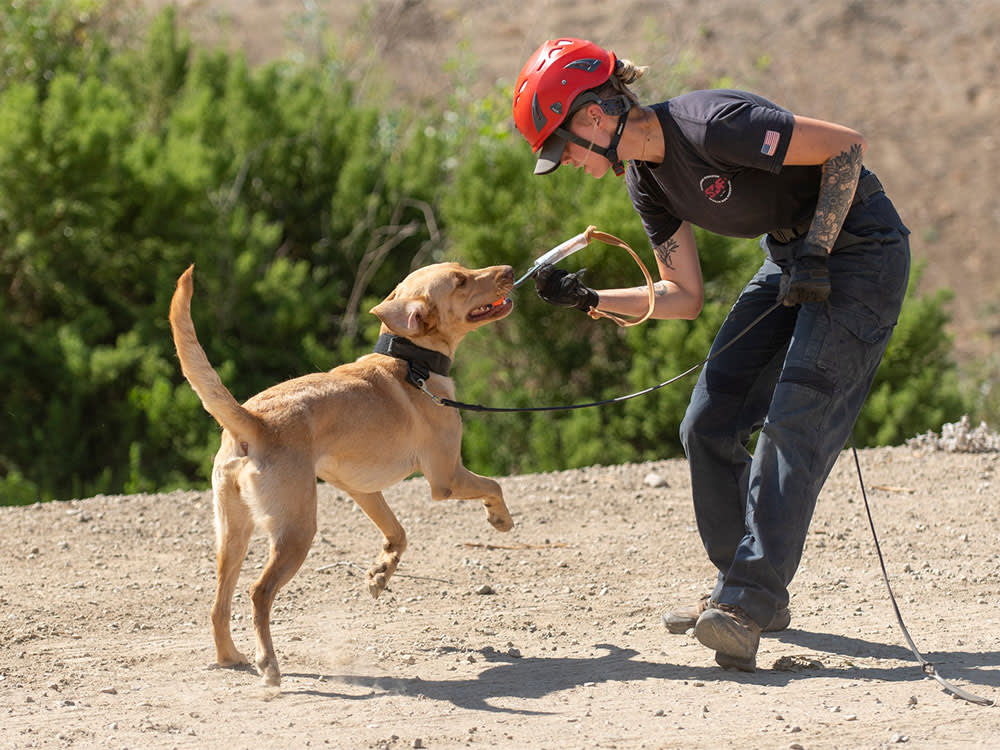
Canine Companions has been placing service dogs since 1975, and it does something unusual: it provides those dogs at no cost to the people who receive them. Its clients include adults, children, and disabled veterans, and the organization also trains facility dogs that work alongside professionals in healthcare, education, and the criminal-justice system. Over its history it has raised thousands of working dogs.
Eukanuba, a Mars-owned brand, built its reputation on performance nutrition for hard-working and athletic dogs. It leaned early into prebiotics for digestive support and into omega-3 and omega-6 fats for skin and coat condition, and it has spent roughly fifty years formulating food aimed at keeping dogs of every age and size in working condition. Feeding a program full of service dogs in training is, in a sense, exactly what the brand was built for.
The part that actually changed
For most of its run, this was a food-for-dogs arrangement. The 2024 renewal widened it by bringing in VCA Animal Hospitals, one of the largest veterinary networks in the country, offering primary, emergency, specialty, urgent, and boarding care.
That addition is easy to overlook and genuinely significant. Training a service dog is a years-long, expensive process, and the dogs are only useful to their handlers if they stay healthy. Plugging a national veterinary network into the program means Canine Companions can lean on consistent medical care across the many regions where its dogs live and work, rather than stitching it together clinic by clinic. Food keeps a working dog fueled; reliable veterinary access keeps that dog on the job.
Why it’s worth caring about
It is fair to be a little skeptical of corporate feel-good partnerships. This one clears the bar because of who is on the receiving end. Every dollar a sponsor absorbs, whether in food or in vet bills, is a dollar that does not have to be passed to a veteran or a child who needs a service dog and gets one for free. A three-decade commitment that now covers both nutrition and healthcare is the kind of behind-the-scenes support that quietly makes a zero-cost model possible.
What’s new since this was written
Assistance dogs remain in high demand and short supply, and the cost of producing one, breeding, raising, training, and placing, runs well into the tens of thousands of dollars per dog. That economics is exactly why sponsor support matters, and why a renewed multi-year commitment is more than a press-release gesture. For families waiting on a service dog, the practical effect of partnerships like this is a program that can keep placing dogs without shifting the bill onto the people who can least afford it.
References
James Okafor covers rescue, adoption, and the causes shaping animal welfare. His work follows the people and organisations working to give more pets a home, and the issues owners and advocates care about most.
Meet our experts ↗Keep reading
 LivingThe Rescue That Saved His Life Nearly Went Under Without HimJames Okafor · 9 min
 LivingToo Wild to Keep, Perfect to Save LivesMarcus Webb · 6 min
 LivingHe Left Jail After Five Days. One of His Dogs Was Already Dead.Sasha Ford · 4 min
 LivingShe's Fostering 23 Dogs. Nobody Posts the Rest of It.Leila Torres · 6 min
 LivingShe Was Terrified of Pit Bulls. Then She Put Flower Crowns on Them.Leila Torres · 7 min
 LivingSouth Korea Outlawed the Dog Meat Trade. Half a Million Dogs Still Need You.Leila Torres · 6 min