


He Left Jail After Five Days. One of His Dogs Was Already Dead.
While a Florida man sat in jail on a trespassing charge, his two dogs were seized. By the time he got out, one had been euthanized and the other adopted to a stranger. His fight to get the survivor back is still going.

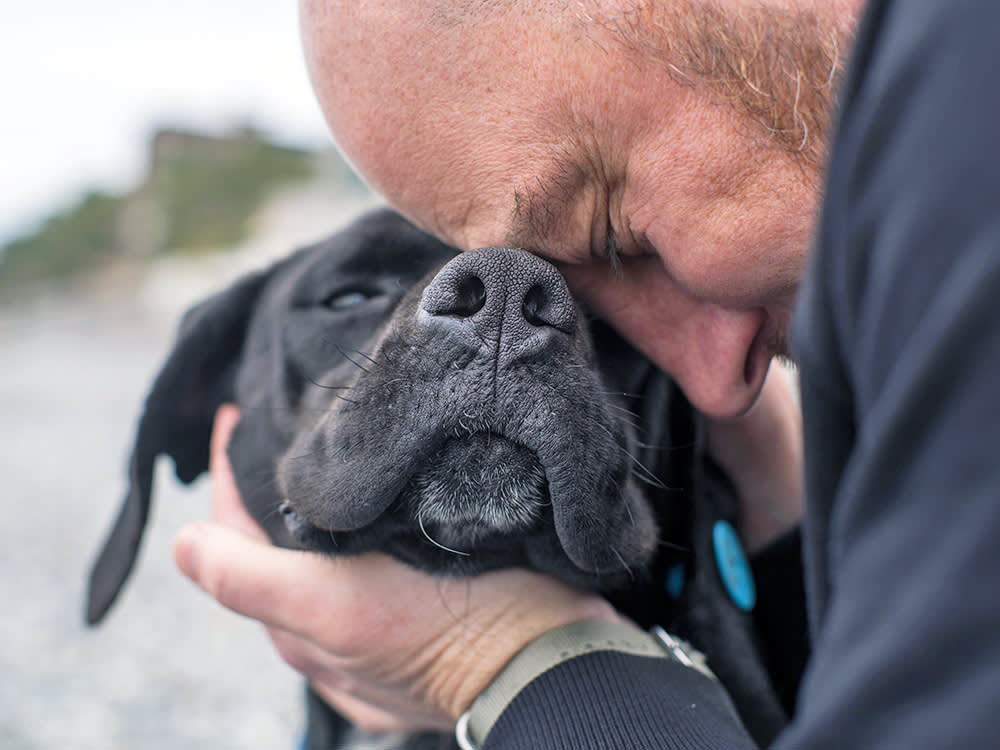
Michael Puckett spent five days in jail on a trespassing charge, arrested on a stretch of vacant, undeveloped land in Ormond Beach, Florida, where he had been staying. The only thing he wanted when he walked out was to see his two dogs again. Instead, he learned that in the short time he was gone, one of them had been put down and the other rehomed to a stranger. As he told the Daytona Beach News-Journal, he still does not understand why any of it happened.
The dogs were everything to him. Puckett became unhoused in early 2024 and lived in a homeless encampment until recently, and through all of it his two Pit Bulls, Macho Man (a black mix) and Goose (a brown brindle), stayed at his side. He described them to the News-Journal as his boys, animals he could read with a look, who did everything with him.
How he lost them
On August 17, police dismantled the encampment where Puckett and other unhoused residents were living. Anticipating trouble, Puckett asked a friend at the camp to look after the dogs, but that arrangement did not satisfy the officers, who sent someone to seize both animals.
The pair stayed in police custody through August 19. Puckett, however, remained jailed until August 21, so by the time he was free, he had no idea where they had gone. He eventually traced them to Edgewater Animal Shelter, only to hit a wall he could not climb: the shelter wanted $490 in fees to release the dogs. He offered a $100 down payment and asked to set up a payment plan. The offer was turned down.
It was not until Puckett took legal action that he learned Macho Man had been euthanized. He never got to say goodbye, he told the News-Journal, and never knew he would not see the dog again. Goose had been adopted out on August 24. Under Florida law, the adopter’s name is shielded from public disclosure, which has made even locating the dog difficult.
What the shelter says
Roxanne Hicks, the director of Edgewater Animal Shelter, told the Daytona Beach News-Journal that the organization had simply followed the same procedures it applies to any animal, typically holding a pet for three to seven days, and that it had complied with all applicable laws throughout. The shelter operates with limited capacity. Still, exactly when or why Macho Man was euthanized has not been made clear.
The fight for Goose
Puckett now holds down a job and has a home again, and he has not given up on getting Goose back. Marcy LaHart, an attorney who specializes in animal law, took his case pro bono. Together they sued the shelter, seeking damages of $8,000, a jury trial, and the return of Goose.
So far the courts have not been on their side. The initial lawsuit was dismissed, and so was an amended complaint. Then, on November 10, a lawyer for the shelter sent LaHart a letter, characterizing the claims as frivolous and warning that if she and Puckett did not drop them, he would seek additional fees from them.
Puckett and LaHart have said they intend to keep going anyway. LaHart, who is representing Puckett free of charge, set up an online fundraiser to cover the mounting litigation costs, things like transcripts and court reporters, rather than legal fees.
The case sits at a painful intersection that shelters, courts, and unhoused pet owners increasingly find themselves in: standard impound procedures, short hold windows, and release fees that are routine on paper can permanently separate a person from an animal who was, by every account, well cared for and deeply loved. For Puckett, the outcome is already half-written. One dog is gone. The other is somewhere in Florida, with a family whose name the law will not tell him, and a man who is still asking a court to bring him home.
References
- The Daytona Beach News-Journal. Reporting on Michael Puckett and Edgewater Animal Shelter. https://www.news-journalonline.com/
- Edgewater Animal Shelter. Official site. https://edgewateranimalshelter.org/
Sasha Ford is a certified cat behaviour consultant who has worked with shelters, catteries, and private clients across the country. They review all feline behaviour content at The Pet Times, with expertise in multi-cat households, indoor enrichment, and stress-related disorders.
Meet our experts ↗Keep reading
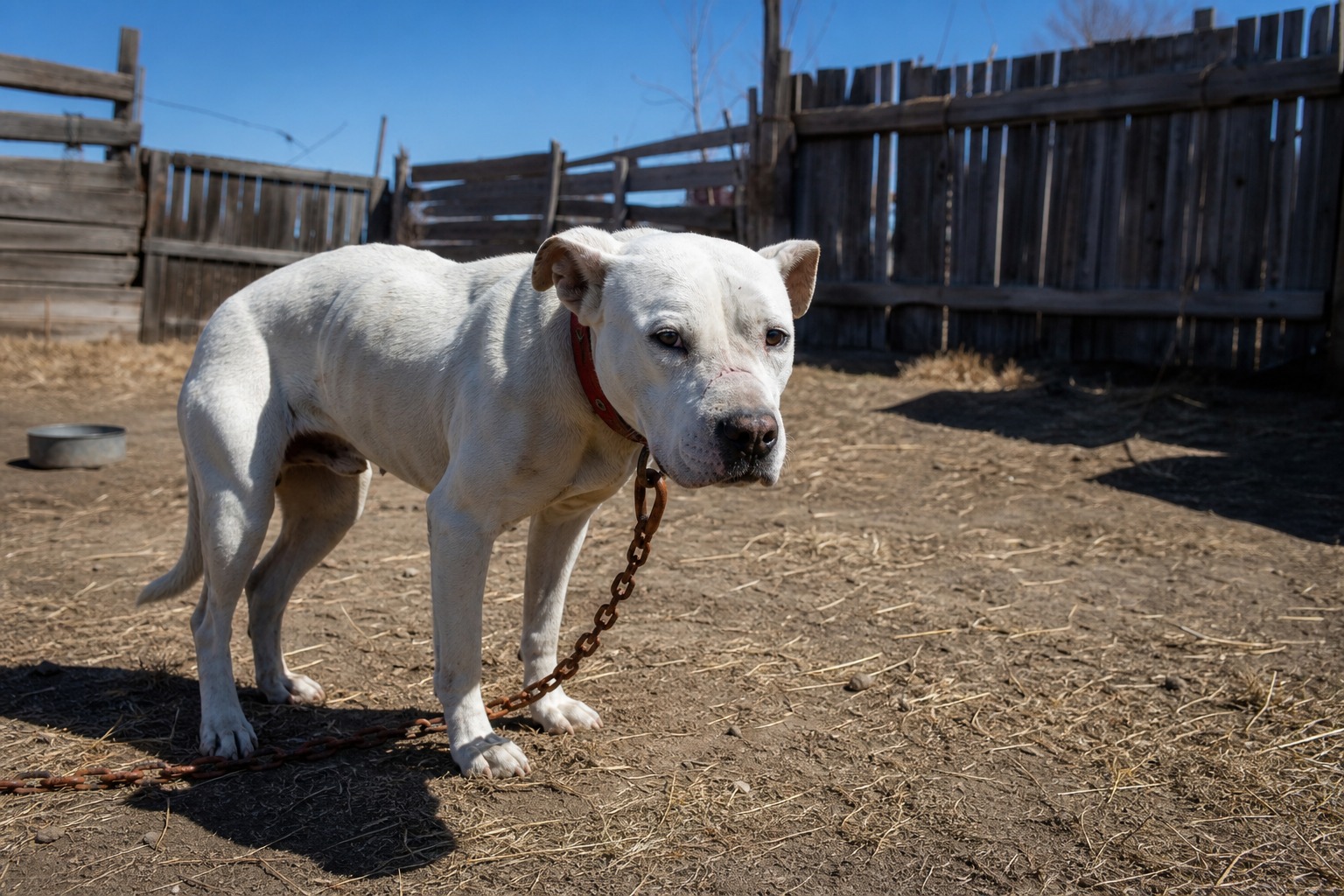 LivingA Drug Raid Opened a Door. Behind It: a Dogfighting Ring and a 9-Foot Alligator Fed on the EvidenceJames Okafor · 5 min
 LivingShelters Are Overflowing. So Where Did All the Fosters Go?James Okafor · 9 min
 LivingShe's Fostering 23 Dogs. Nobody Posts the Rest of It.Leila Torres · 6 min
 LivingSouth Korea Banned the Dog Meat Trade. Nobody Planned for the Dogs.James Okafor · 9 min
 LivingYour Rescue Can Win $1,000 for the Shelter That Saved ThemSara Lim · 4 min
 LivingA Former Ringling Clown Is Rewriting the Pit Bull's Reputation, One Hoop at a TimeMarcus Webb · 5 min