


A TikTok Freed 40 Chained Dogs. The Part That Made It Work Wasn't the Video.
A viral clip of dozens of chained dogs in rural Ohio flooded a sheriff's office with calls. But the rescue only happened because of one unglamorous legal document. Here's the full story, and how it ended.

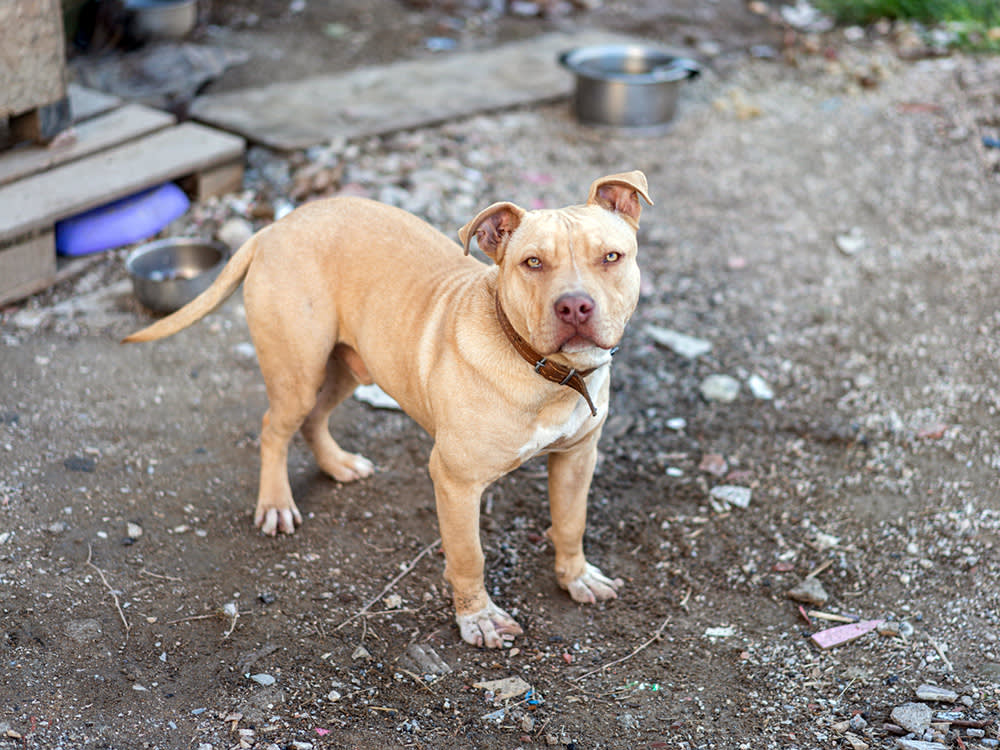
Social media usually earns its bad reputation. Every so often, though, the same machinery that fuels doomscrolling does something genuinely good. In April 2024, a single TikTok did exactly that: it pulled forty dogs out of a backyard in rural Ohio where they had been chained near puddles of standing water, some straining against short tethers, one small dog frozen in place on a four-inch chain, staring at the water it couldn’t reach.
But the video is only half the story, and honestly the less important half. What actually freed those dogs was a piece of paper that had been missing for years.
What the video showed, and why it spread
The clip, posted by a local resident, showed an overcrowded backyard in Kingston Township, in Delaware County, north of Columbus. Dozens of dogs, all Pit Bull types, tethered in filthy conditions with no visible food and dirty water. The on-screen text carried the poster’s frustration: authorities had been called before, reports had been filed, and, in the poster’s telling, nothing had happened. The caption was a plea for help.
It landed. Viewers didn’t just watch and scroll; they acted. People flooded the Delaware County Sheriff’s Office with phone calls, by one volunteer’s count more than five hundred of them. Others offered to drive in from an hour away to help. That surge of public pressure is what turned a stalled local complaint into an active case within days.
The unglamorous thing that actually mattered
Here’s the detail that the viral outrage almost buried, and the one worth remembering the next time you see a video like this.
Delaware County Dog Warden Mitchell Garrett later explained that his office had known about the property for years. On earlier visits, they had found only about six dogs, all in good health. To enter the property and remove animals, they needed legal grounds, specifically a signed witness statement, and that statement didn’t arrive until the Friday before the rescue. Once they had it, they could get a warrant from the Delaware Municipal Court and go in.
So the video didn’t override the law; it produced the missing ingredient. Public attention motivated a witness to formally come forward, and that statement is what unlocked the warrant. Outrage set the table, but the paperwork served the meal. It’s a useful thing to understand: reporting cruelty works best when someone is willing to put their account on the record, not just online.
The rescue, and the animals
With the warrant in hand, the sheriff’s office and the Humane Society of Delaware County removed all forty dogs from the property. Rico Pet Recovery, a nonprofit that had been alerted to the situation through the same wave of social media posts, stepped in to help coordinate care, working with the county shelter and a network of fosters to find space for the animals.
The response from the public didn’t stop at phone calls. Donations poured in, enough for the rescue groups to buy new bowls, food, collars, and supplies. The dogs stayed in the county facility while the case moved forward, but they were, in the words of one of the groups helping them, finally safe.
How it ended
This is the part the original viral moment never got to, because the internet had moved on by the time the courts caught up. It’s worth knowing, because it’s the actual outcome.
The property owner, Robert Phillips Jr., was charged on April 11, 2024, with 30 misdemeanor counts related to the treatment of companion animals. He did not appear at his hearing. Because he failed to show up to contest the charges, Municipal Court Judge Marianne Hemmeter declared the animals abandoned, formally forfeiting them to the county on April 17.
That sounds like a technicality, but for the dogs it was the best possible result. Garrett called it exactly that, noting that if the owner had shown up to fight, the case, and the dogs’ limbo, could have dragged on for months. Instead, the forfeiture cleared the way for the animals to be transferred to rescue groups with experience rehabilitating dogs from cruelty and hoarding situations, and to move toward adoption.
Forty dogs went from short chains and dirty water to a legal status that let them be rehomed, in the span of about ten days. The video got the attention. The witness statement, the warrant, and a no-show defendant did the actual work.
References
- Delaware County Dog Warden Removes 40 Dogs from Kingston Township Property — Delaware County, Ohio
- Removed Dogs Declared Forfeited to Delaware County Dog Shelter — Delaware County, Ohio
- Charges pending after raid by dog warden — Delaware Gazette
- 40 dogs removed from Delaware County property, owner faces charges — 10TV
James Okafor covers rescue, adoption, and the causes shaping animal welfare. His work follows the people and organisations working to give more pets a home, and the issues owners and advocates care about most.
Meet our experts ↗Keep reading
 LivingHe Lost 90% of His Business. Then He Groomed 1,461 Dogs for Free.Marcus Webb · 5 min
 LivingThe $150,000 'Bodyguard' Dog Fails at the One Thing Buyers Want MostMarcus Webb · 7 min
 LivingA Viral Dog Reunion Rewrote California LawMarcus Webb · 6 min
 Living111 Doodles Got Rescued. The Reason Why Should Bother YouLeila Torres · 9 min
 LivingHe Left 11 Dogs to Die in a Hot Van, Then Cremated the Evidence. A Jury Convicted Him.Nina Vasquez · 5 min
 Living300 Dogs, Four States, One Month: The Rescue Machine Behind the HeadlinesLeila Torres · 5 min