


300 Dogs, Four States, One Month: The Rescue Machine Behind the Headlines
In early 2024 the ASPCA pulled nearly 300 dogs out of cruelty and hoarding cases across four states in a single month. The remarkable part isn't the number, it's that it wasn't luck. Here's how the system works, and where an ordinary person actually fits in.

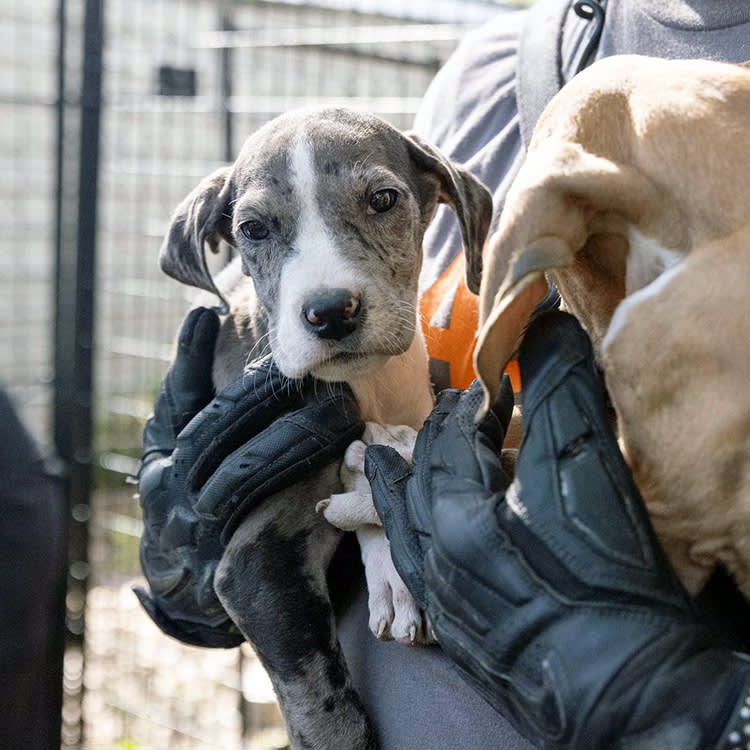
In the space of about a month in early 2024, the ASPCA helped save nearly 300 dogs across four separate operations in New Jersey, Mississippi, Florida, and New York. It made for a run of dramatic headlines, and it’s tempting to read it as a burst of bad luck, four terrible situations that happened to surface at once. That reading misses the actual story. These rescues weren’t a coincidence. They were the output of a system that’s built to do exactly this, and understanding how it works is more useful than gasping at the total.
Because the interesting question isn’t “how could this happen four times in a month.” It’s “what has to be in place for four states’ worth of dogs to get out at all,” and, for anyone who wants to help, “where does a regular person actually plug in.” The month tells you both.
What actually happened
Four operations, run in partnership with local shelters and law enforcement, in quick succession:
- New Jersey. In Vernon Township, the ASPCA assisted the Sussex County Prosecutor’s Office and local police in removing more than 90 dogs from a self-described animal rescue group. Investigators found dogs living in filth, some underweight and needing medical care, many matted, and some already dead. The property owners were charged with multiple counts of animal cruelty, and the dogs went to the ASPCA’s recovery center in Ohio.
- Mississippi. Responding to a call from the Oktibbeha County Humane Society, the ASPCA helped remove more than 50 dogs from a hoarding situation. The dogs were malnourished and fighting over resources, many with untreated injuries and illness. Some stayed with the local shelter for treatment; others went to shelter partners for adoption.
- Florida. In Union County, the organization helped rescue roughly 120 dogs, mostly Great Danes and Bulldogs, from a breeding operation, where officials reported underweight animals with untreated conditions in extremely unsanitary quarters. The dogs were moved to an emergency shelter for medical care, behavioral support, and forensic exams to support a criminal case.
- New York City. The ASPCA helped remove around a dozen animals, including 11 dogs and two cats, many underweight, dehydrated, and sick, from filthy conditions in Queens.
Different states, different triggers, one throughline: local authorities hit a situation bigger than they could handle alone, and a national organization had the people and equipment to finish the job.
The part that isn’t luck
Here’s the mechanism, because it’s the actual lesson. Each of these cases started the same way: a local law enforcement agency asked for help. That’s the hinge the whole system turns on. The ASPCA doesn’t go looking for cases so much as it gets called into them, usually by a sheriff’s office or prosecutor who has been watching a situation fail to improve and wants to build a criminal case.
From there it follows a repeatable path. The organization reviews the case to confirm there’s sufficient probable cause. If there is, it assembles and flies in a large team from around the country, including investigators, crime-scene analysts, attorneys, animal behavior specialists, veterinarians, forensic veterinarians, and transport crews. After law enforcement executes a warrant, that team documents the scene, assesses how many animals are present and how urgently they need care, and then handles the enormous logistics of housing and treating them all. In the Florida case, the single hardest problem wasn’t the rescue itself, it was finding a temporary shelter big enough to hold roughly 120 large-breed dogs at once.
That’s why four rescues in a month is possible. It’s not four strokes of luck. It’s one machine, activated four times.
“People picture a rescue as a dramatic moment, but the reason it works is unglamorous: relationships and preparation built long before anyone’s phone rings,” says Marcus Webb. “When a sheriff already knows who to call and a national team can be wheels-up the same day, hundreds of animals get out. When those pieces aren’t there, the same situation just festers.”
Not every case is a courtroom
One nuance worth keeping, because it shapes how these end. Not every rescue is treated as a throw-the-book-at-them prosecution. The clearest criminal intent, animal fighting and truly egregious cruelty, is pursued hard. But many hoarding cases involve an owner who became overwhelmed and lost control rather than someone acting maliciously. Charges are often still appropriate in those cases, largely because the animals are legally the person’s property and can’t simply be taken without a legal proceeding. The goal is to get the animals out and get help to a person who’s underwater, not only to punish.
It’s a distinction that matters for how the public reads these stories. “Hoarder” and “abuser” aren’t always the same person, and the response is calibrated to which one you’re actually looking at.
Where you actually fit in
This is the question most people have after reading a story like this, and the honest answer is smaller and more local than the headline suggests. You are not going to fly in with a forensic team. What you can do is help the early-warning system work.
- Know what to look out for. Cruelty isn’t only violence. It’s also neglect, and situations where someone has become overwhelmed and can’t meet an animal’s needs. Cases caught early can sometimes be resolved with services instead of charges, sparing both the animals and the person the worst outcomes.
- Understand that it can happen anywhere. Simple awareness, the recognition that this exists in ordinary communities, is genuinely one of the most useful things an average person brings.
- Support your local shelter. This is the concrete one. Ask your nearby shelter what they actually need, whether that’s supplies, donations, or volunteer hours. That’s the everyday on-ramp to helping animals in your own community, and it’s the same local network these big rescues ultimately lean on.
What newer research adds
The strain behind cases like these hasn’t eased. Animal shelters across the country have reported ongoing overcrowding pressure in the years since, driven in part by rising costs of pet care that push more animals into the system and slow adoptions. Backyard breeding and the flood of so-called “designer dogs” into shelters remain part of the picture too, and there’s still no national database tracking cruelty cases, which means the true scope is genuinely unknown.
What that means for a reader today is unchanged from the takeaway above. The rescues make the news; the everyday shortage of shelter space, supplies, and volunteers is the quieter, constant problem. Local support is where an individual moves the needle.
The bottom line
Nearly 300 dogs out of four states in a month is a stunning number, but it’s not a fluke. It’s what happens when local law enforcement, national resources, and prepared relationships line up. The animals in the headlines were saved by a system. The way most of us strengthen that system is smaller and closer to home: stay aware, take neglect seriously, and show up for the local shelter that anchors the whole thing.
References
Leila Torres leads our Living coverage, from home life and travel to the products and rescue stories that come with sharing a life with animals. She edits and writes across the section, with a soft spot for pieces about the bond between people and their pets.
Meet our experts ↗Keep reading
 Product Picks"A Portion of Proceeds" Means Nothing. This Rosé Says 20%.Sasha Ford · 8 min
 LivingThe $3,000 Frenchie Is Now at the Shelter. So Is the Doodle.Nina Vasquez · 5 min
 LivingSouth Korea Outlawed the Dog Meat Trade. Half a Million Dogs Still Need You.Leila Torres · 6 min
 LivingHe Lost 90% of His Business. Then He Groomed 1,461 Dogs for Free.Marcus Webb · 5 min
 LivingHe Left Jail After Five Days. One of His Dogs Was Already Dead.Sasha Ford · 4 min
 LivingSome States Once Banned Black Families From Owning Dogs. A Yale Scholar on Why That Still Echoes.Leila Torres · 6 min