


The $3,000 Frenchie Is Now at the Shelter. So Is the Doodle.
The designer-dog boom quietly became a designer-dog bust. Purebreds and 'trendy' hybrids are turning up in shelters in numbers no one expected, which means the smartest place to find the breed you want may be a rescue.

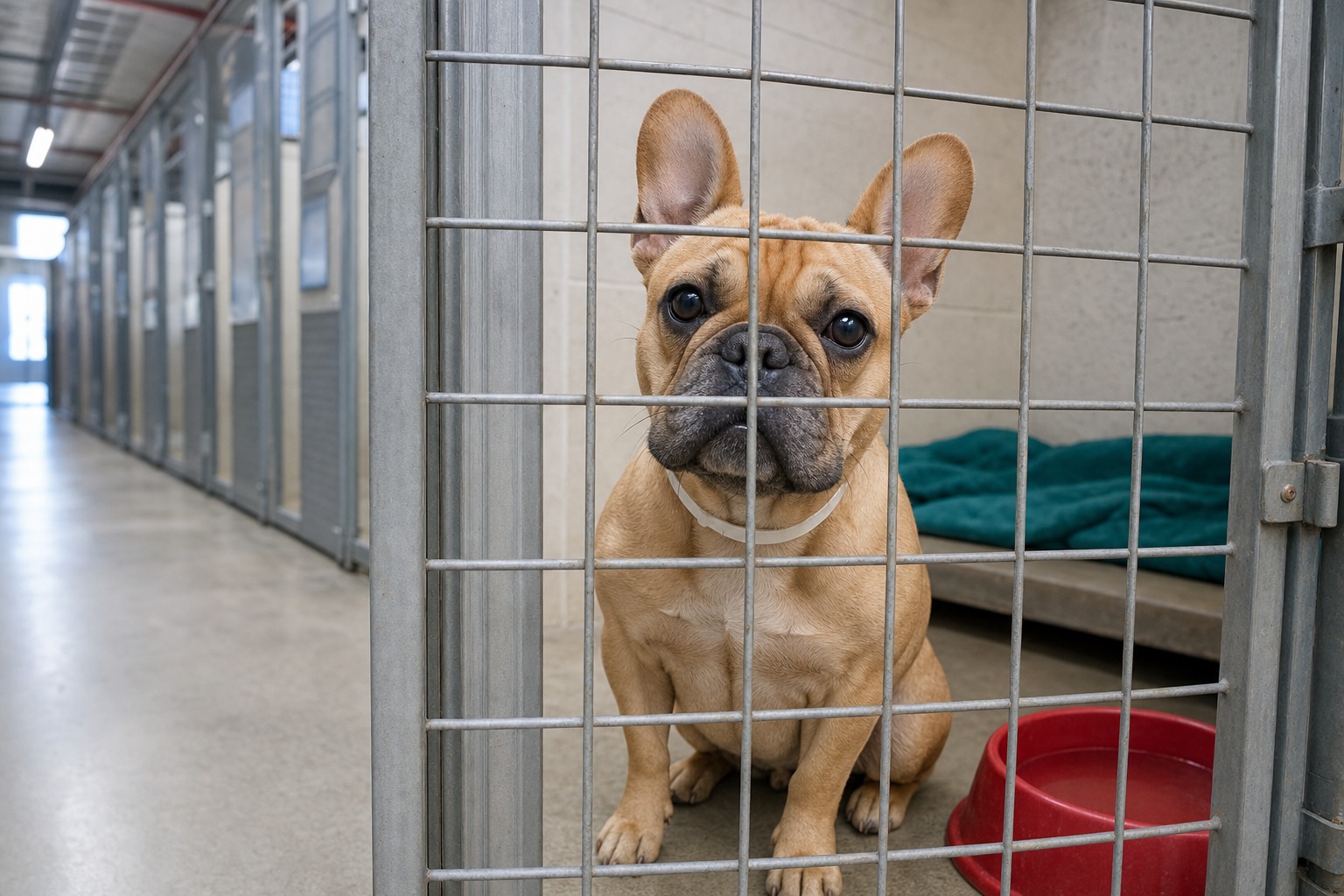
For years, the mental image of a shelter dog was fixed: a mixed-breed pup, often a Pit Bull type, waiting behind a kennel door. That image is now out of date. Walk through a shelter in 2026 and you’re increasingly likely to see the exact dogs people assume you can only get from a breeder, French Bulldogs, Goldendoodles, Labradoodles, purebred puppies that once carried four-figure price tags. The boom in designer dogs has curved into a bust, and the fallout is landing in shelters.
The upshot is genuinely useful if you’re dog-shopping: when you want one specific breed, the first place to look isn’t a breeder’s website. It’s your local rescue.
How the “designer” pipeline backed up
Shelters have long run near capacity, and the pandemic adoption surge relieved that pressure only briefly before the tide turned back. National sheltering data has shown multiple consecutive years of rising numbers of pets waiting for homes, with more animals entering shelters than leaving them. And the newcomers aren’t just the dogs people expect. Puppies and purebreds, in particular, are showing up in numbers that would have been unusual just a few years ago.
The dogs being given up now include ones their owners paid well north of $3,000 for, dogs that stopped fitting into a household’s finances or lifestyle. Breeds and hybrids that almost never landed in shelters before, the Doodles and the Frenchies of the world, have become a regular sight. Several forces pushed them there at once.
Breeding for profit, not for dogs
Careless and high-volume breeding is a major driver. When breeders prioritize output over genetic health and temperament, the result is puppies more likely to develop medical and behavioral problems, frequently sold through sketchy online listings or pet stores. When the challenges surface and a family isn’t equipped for them, the dog can end up surrendered. A near-total lack of regulation in the breeding industry keeps the cycle spinning, and it will keep spinning as long as buyers keep paying thousands for trendy puppies.
The influencer effect
Social media deserves a share of the blame. A feed full of impossibly cute purebred puppies sells an airbrushed version of pet ownership that leaves out the cost, the work, and the fifteen-year commitment. When a breed goes viral, impulse purchases follow, and some of those buyers discover too late that the reality doesn’t match the aesthetic, then surrender the dog when they can’t keep up with its needs or the image they bought it for.
The spay/neuter gap
Failing to spay and neuter has always fed shelter populations, and it still does. Unaltered pets mean unplanned litters, and families overwhelmed by puppies they can’t place send those puppies into an already strained system. Widespread spay/neuter remains one of the most direct levers for shrinking shelter intake.
The economy
Money underlies much of it. Even after the lockdown adoption spike, persistent financial pressure, rising costs, and returns to in-office work have forced households into hard choices, and for some the wrenching decision to surrender a pet becomes a last resort when the budget simply won’t stretch.
What it means for the dogs already waiting
Here’s the harder question: when purebreds and puppies flood in, what happens to the mixed-breed dogs who’ve been waiting months? Experts don’t fully agree, but they converge on one point, fewer dogs are getting adopted overall, across every breed.
The influx of trendy purebreds can overshadow the mixed-breed and less “fashionable” dogs, lengthening their waits and worsening overcrowding, since a Doodle or Frenchie in a shelter used to be a rarity and now competes for the same adopters.
That said, whether a particular dog gets adopted turns out to hinge on a tangle of factors, not breed alone. Adoption likelihood is shaped by an adopter’s individual preferences for size, coat, and energy level (traits found in purebred and mixed dogs alike), by how well a shelter markets and presents its animals, by local supply and demand for popular versus less popular dogs, and by how much the shelter invests in educating adopters. Preferences are overwhelmingly subjective, and when a shelter works to match a family with the right dog regardless of breed, that pairing tends to last.
“The best thing a would-be breed shopper can do right now is walk into a shelter first, because the dog you’re picturing is very likely there,” says Dr. Nina Kohl. “And if you adopt, have them fixed. Sterilizing your own pet does more to ease the strain on shelters than almost any other single choice a person can make.”
How to actually help
There’s a lot within reach here, starting with your own choices. If you want a purebred, look to shelters and breed-specific rescues before a breeder, and spay or neuter whatever dog you bring home. Spreading the word about adoption and responsible ownership matters too.
Beyond your own household, shelters and the organizations that back them need hands and resources: volunteer your time, donate supplies, or give financially. Many programs that provide medical care for shelter pets run entirely on charitable support and grants, and they’re strained precisely because the same economic pressure filling the shelters also thins the donations. It’s a big ask, and it’s exactly why it matters.
One thing worth knowing before you assume “purebred” means “buy”: roughly a quarter of shelter dogs are already purebred. If you’ve got a particular breed in mind, dedicated rescues exist for nearly every one of them.
What’s new since this was written
The most recent national data offers a cautiously hopeful update. Shelter Animals Count’s 2025 report found dog and cat intakes eased to about 5.8 million, a 2 percent dip from the prior year, and adoptions ticked up around 1 percent. Euthanasia fell for both dogs and cats. But the core strain hasn’t lifted: owner surrenders rose to roughly 30 percent of intakes, and animals are staying in shelters longer, so many organizations are still operating at or above capacity. In other words, the pipeline that put purebreds and Doodles in kennels hasn’t closed, it’s just moving slightly slower, which makes adopting, fostering, and fixing your pet as meaningful now as ever.
References
- Shelter Animals Count. “2025 Annual Data Report.” https://www.shelteranimalscount.org/2025-report/
- ASPCA. “Shelter Animals Count Releases 2025 Annual Data Report, Marking 10 Years of National Sheltering Data.” https://www.aspca.org/about-us/press-releases/shelter-animals-count-releases-2025-annual-data-report-marking-10-years
- ASPCA. “U.S. Animal Shelter Statistics: Shelter Intake and Surrender.” https://www.aspca.org/helping-shelters-people-pets/us-animal-shelter-statistics
Nina Vasquez writes about life at home with pets and the relationships at the heart of it. Her work covers day-to-day living, people-and-pet stories, and the products that fit into a real household, with a warm, grounded take on everyday pet ownership.
Meet our experts ↗Keep reading
 LivingNobody Wanted Elvis. Then an Elvis Impersonator Walked In.Nina Vasquez · 3 min
 LivingRescuers Saw the Starving Dogs and Left. Four Times.Marcus Webb · 6 min
 LivingA Man Cried About His Dog on Live TV. A Shelter's Inbox Exploded.Sara Lim · 5 min
 Living47 Dogs Rescued in a Week: How South Carolina Started Winning Against DogfightingMarcus Webb · 5 min
 LivingThe Cheapest Way to Empty a Shelter Is the One Nobody UsesJames Okafor · 6 min
 LivingHe's Fostered Almost 40 Pit Bulls. The Stigma Is the Only Thing He Can't Rehome.Leila Torres · 8 min