


47 Dogs Rescued in a Week: How South Carolina Started Winning Against Dogfighting
South Carolina officials pulled 47 dogs and puppies from alleged fighting operations in a single week, part of a surge of rescues since June. Behind the numbers is a quiet 2024 law that finally sped these dogs toward adoption.

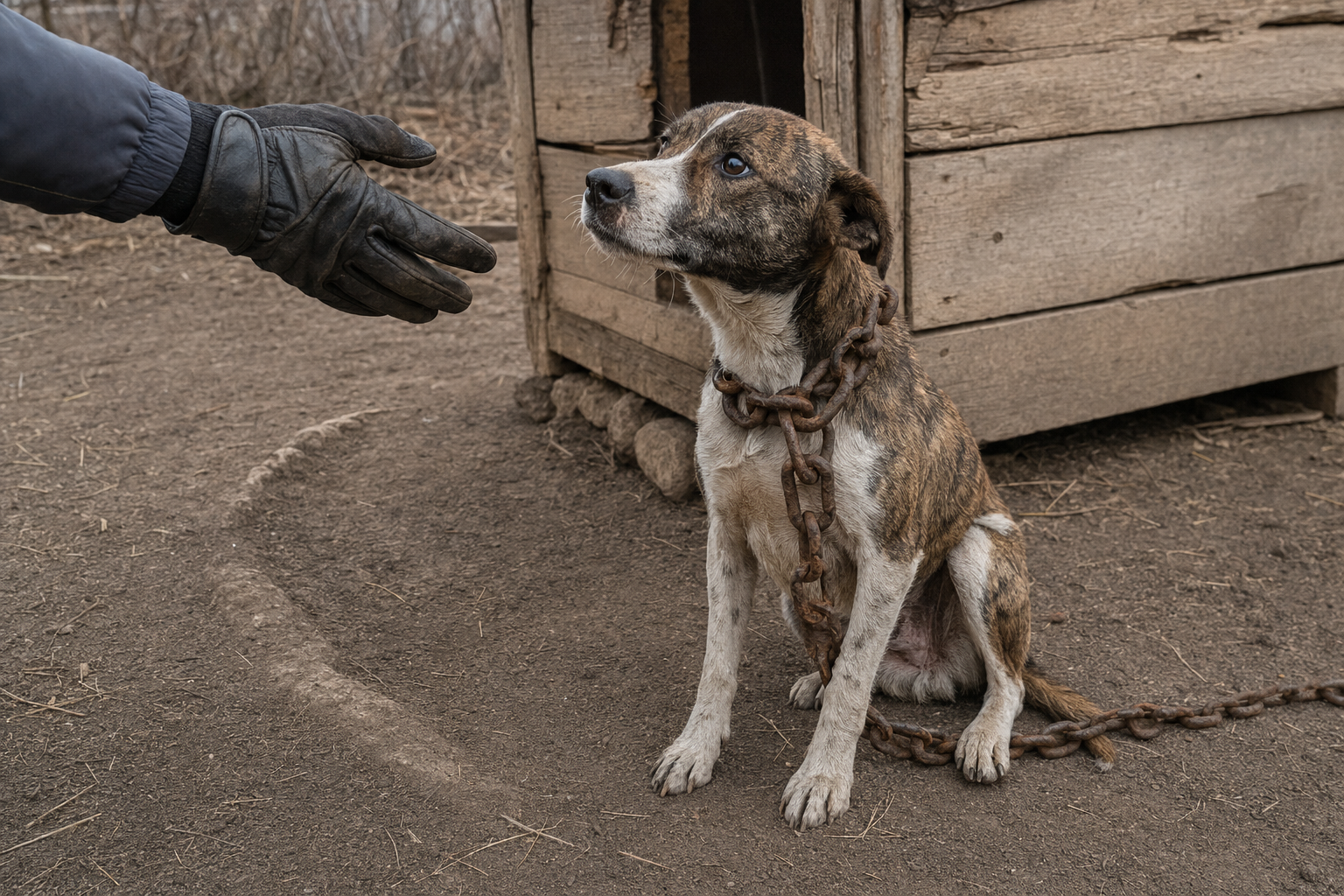
The number that made headlines was 47: dogs and puppies pulled from alleged dogfighting operations across South Carolina in a single week. But the more important story sits underneath it. After years in which rescued fighting dogs languished in limbo for months, a change in state law has started moving them toward safety and adoption far faster, and the state’s enforcement teams are pressing their advantage.
A surge of rescues
South Carolina’s State Law Enforcement Division, known as SLED, has spent the past two years dismantling fighting operations at a striking pace. In 2024 alone, SLED pulled over 200 dogs out of illegal fighting operations. Through 2025, the agency partnered with Humane World for Animals to save roughly 90 more dogs since June, drawn from seven different properties.
The 47-dog week was the peak of that effort. In Lancaster and Chester counties, four people were arrested on dogfighting-related charges after the animals were found across three separate properties. In a distinct case in Greenville, another man was arrested on two counts of dogfighting and three counts of illegal treatment of animals, and four dogs were seized from his property.
What the dogs endured
The conditions tell you why these operations are treated as serious felonies. Among the rescued animals was a severely underweight nursing mother, found with her three puppies in a filthy, waste-caked hutch. Wary at first, she warmed to her rescuers quickly and was soon soliciting chin scratches, a small detail that says a lot about what these dogs are capable of once they’re out.
Investigators have described the grim uniformity of a fighting yard: rows of dogs living their entire lives on heavy chains staked just out of reach of one another, worn dirt circles pressed into the ground where they pace, and bodies marked with bite wounds and deep punctures. To someone who knows the signs, the layout is unmistakable. The dogs themselves are kept for one purpose and otherwise ignored, which is part of why the attention of a rescuer, a hand held out, a heavy collar lifted off, can land so hard.
The bottleneck, and the law that broke it
Rescue is only the first problem. South Carolina’s dedicated dogfighting team is tiny, just five people, and even after a successful raid they face the enormous task of rehoming dozens of traumatized dogs. For years, that process was choked by a legal reality: seized dogs had to be held, sometimes for months, while criminal cases wound through the courts, with rescue groups absorbing the cost of their care the entire time.
The 2024 Cost of Care Act rewrote that math. The law makes the original owners, rather than the rescue groups, responsible for the cost of housing seized animals, forcing them to either pay up or surrender the dogs. In practice, most people arrested for dogfighting have chosen to give the dogs up rather than foot the bill, which frees the animals for adoption far sooner instead of leaving them warehoused for the length of a prosecution. It is an unglamorous, procedural fix, and it has quietly become the engine behind the state’s faster rescues.
What’s new since this was written
The crackdown has carried into 2026, with South Carolina officials continuing to investigate and dismantle fighting operations and pointing to the Cost of Care Act as a central reason the pipeline now moves. The dogs pulled from these recent raids were transported to confidential locations for veterinary care and rehabilitation, and while they aren’t immediately available for adoption, the outlook for them is genuinely good. Many dogs rescued from fighting rings can be rehabilitated, and plenty turn out to be affectionate animals who never wanted any of it.
For readers who want to help, the most useful things are the least dramatic: supporting the humane organizations that partner on these rescues, staying open to adopting a dog with a hard history through a reputable group, and reporting the warning signs of a fighting operation, chained dogs kept in rows just out of reach of each other, to local authorities. The law changed the odds. Filling the homes on the other end is where the public comes in.
Marcus Webb writes about the gear, gadgets, and everyday choices that make life with a pet easier. His coverage runs from product picks to training and the causes worth paying attention to, always with an eye on what actually earns a place in your home.
Meet our experts ↗Keep reading
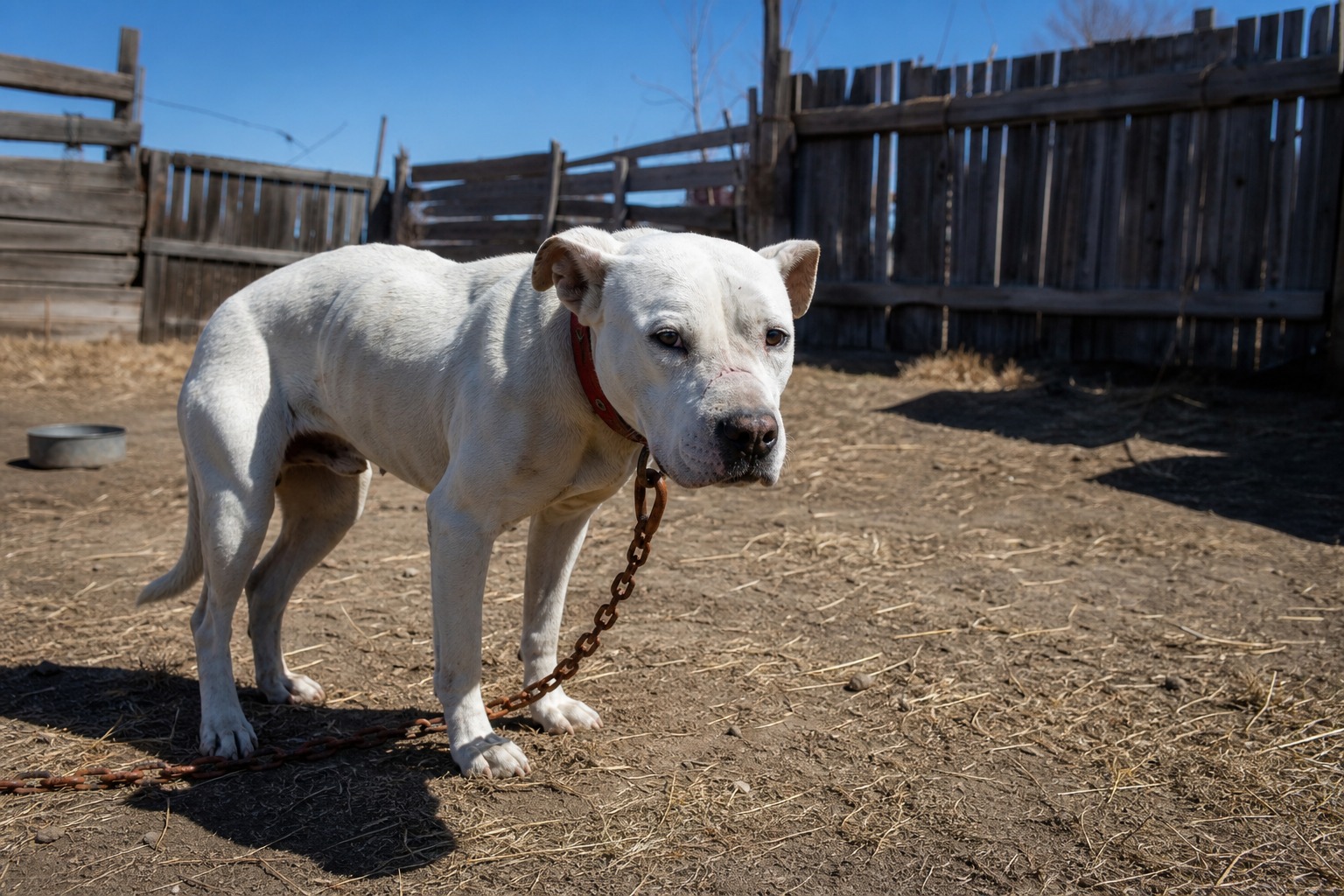 LivingA Drug Raid Opened a Door. Behind It: a Dogfighting Ring and a 9-Foot Alligator Fed on the EvidenceJames Okafor · 5 min
 Product Picks"A Portion of Proceeds" Means Nothing. This Rosé Says 20%.Sasha Ford · 8 min
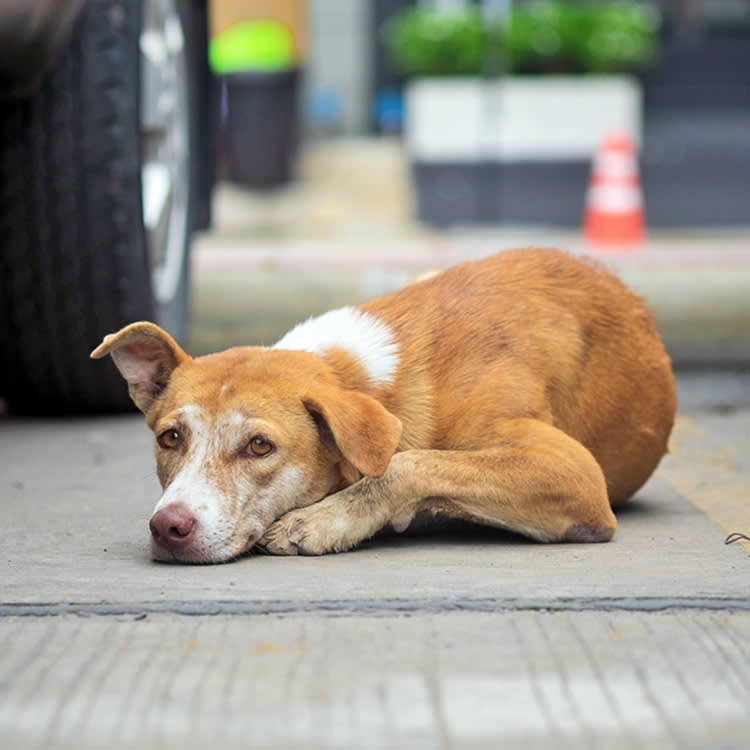 LivingA Bystander's Phone Was the Only Thing Between These Dogs and DeathNina Vasquez · 4 min
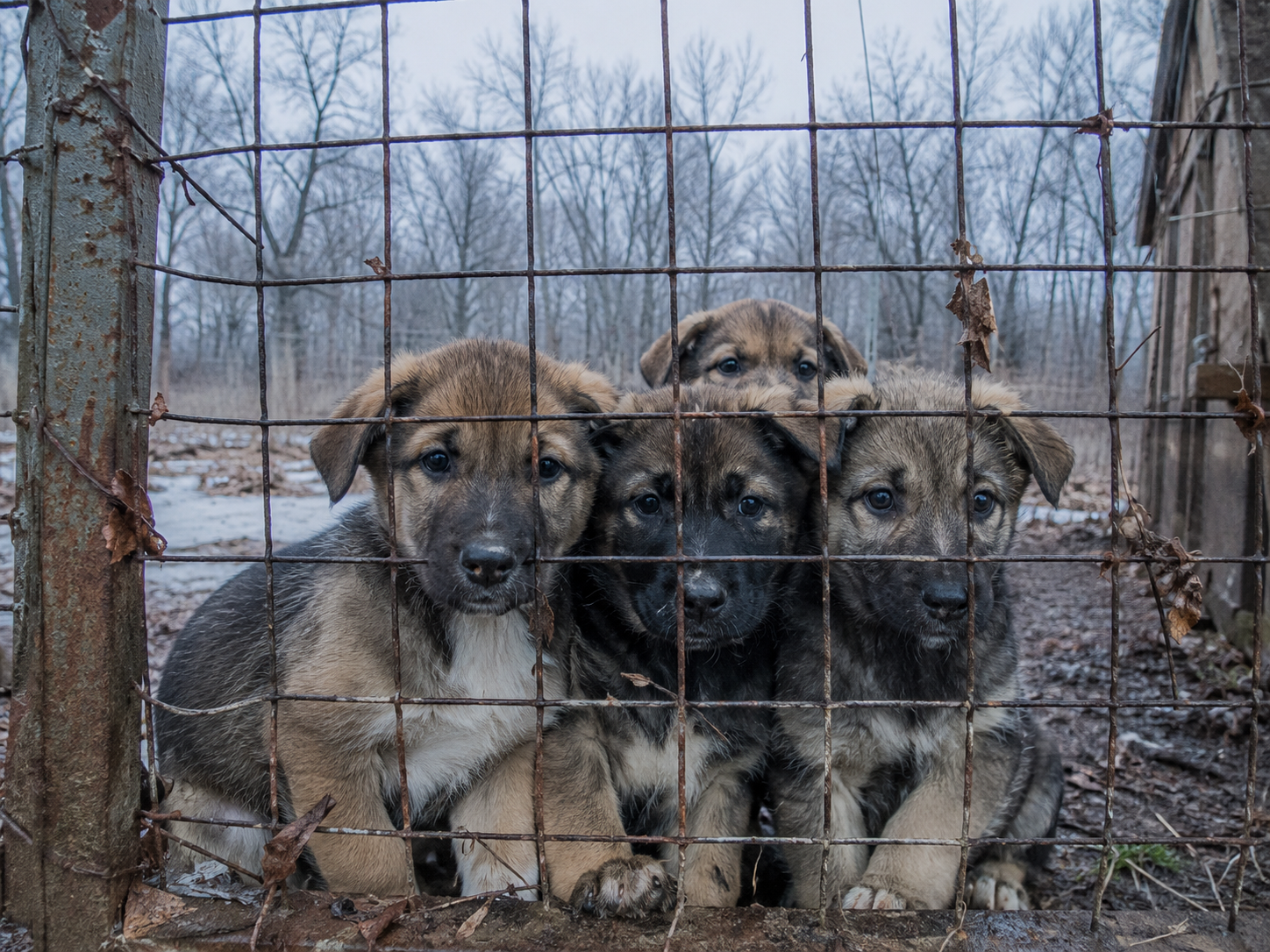 LivingA Storm, a Deadline, and 200 Dogs: Inside a Frantic Mississippi RescueNina Vasquez · 4 min
 LivingSouth Korea Banned the Dog Meat Trade. Nobody Planned for the Dogs.James Okafor · 9 min
 LivingOne Sleepover Makes a Shelter Dog 14 Times More Likely to Get AdoptedLeila Torres · 5 min