


A Bystander's Phone Was the Only Thing Between These Dogs and Death
A stranger filming from a Long Island City sidewalk is the reason Marzipan and Nougat are alive. Here is what the case says about why witnesses, not laws, usually stop animal cruelty.

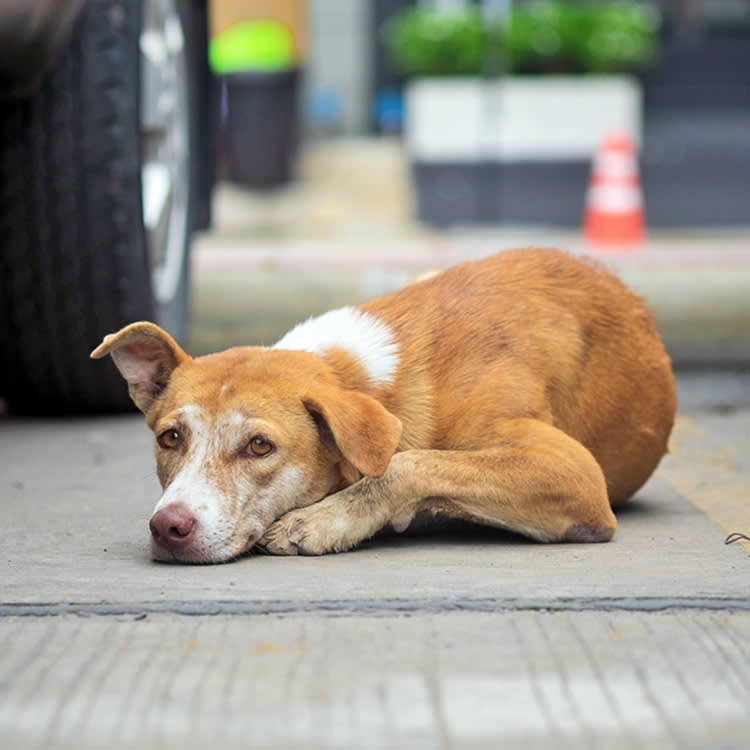
The two dogs are alive because a stranger reached for a phone.
On the evening of January 4, 2026, someone on a Long Island City sidewalk watched a red Volkswagen roll down the street with two dogs leashed to its trunk, forced to run to keep from being dragged. Instead of looking away, the witness filmed it, and then called the New York Police Department. That footage, and that call, are the entire reason this became a rescue instead of a body count.
It is worth sitting with that, because it is the part of these stories that tends to get lost under the outrage. The system did not catch this on its own. A person did.
What happened on that street
Prosecutors say 68-year-old Dan Bujor borrowed a friend’s car and tied his two dogs, a German Shepherd named Marzipan and a Pit Bull named Nougat, to the back of it before driving through the neighborhood. At one point Nougat came unhooked. Bujor grabbed both dogs, put them in the car, and left before officers arrived. Later that day an officer spotted him with the two dogs and stopped him. He could not produce a valid driver’s license, and the dogs were seized and taken to the ASPCA in Manhattan.
A veterinary exam found real injuries on both animals. Marzipan, about two years old, had a ruptured eardrum. Nougat, estimated at two to four years old, had abrasions on her paw pads, inflamed skin between her toes, and diarrhea. Both dogs survived and began recovering in the ASPCA’s care.
According to court documents cited by local news, the explanation Bujor gave police was that he had not wanted the dogs relieving themselves inside the borrowed car.
Why the witness matters more than the law
Animal cruelty is illegal in all fifty states, and New York can charge it as a felony. But a law on the books does nothing until someone activates it. Cruelty almost never happens in front of a police officer. It happens on a side street, in a backyard, behind a closed door, in the exact places where the only safeguard is a neighbor who decides not to mind their own business.
That is the quiet lesson buried in this case. The charges, the seizure, the medical care, the possible jail time all trace back to one person who filmed instead of scrolling past.
“The single most useful thing a bystander can do is document and report, in that order, from a safe distance,” says Dr. Amara Solis. “You are not expected to physically intervene with a stranger. You are the eyes the system does not have. A clear video, an address, and a description of the person is often the difference between a case that moves and one that evaporates.”
What actually helps if you see it
If an animal is in immediate danger, call 911. If you can do it without putting yourself at risk, record what you see and lock in the details that fade fast: the location, the time, the vehicle, the direction it went, and a description of the person. Those specifics are what let police act on the same day, which is exactly what happened here.
You do not need to be certain a crime is occurring to make the call. Reporting a suspicion is not an accusation, and trained responders sort out the rest.
Where the case stands
Bujor was arraigned and charged with overdriving, torturing, and injuring animals, failure to provide sustenance, and driving without a license. A judge ordered him to return to court, and if he is convicted he faces up to a year in jail. The ASPCA has said the dogs will be available for adoption once the case is resolved and legal ownership is settled.
Marzipan and Nougat get a second chance because a stranger treated a few seconds of horror as something to act on. Most cruelty cases that end well end that way.
References
- Queens District Attorney: Queens Man Arraigned on Animal Cruelty Charges for Tying Dogs Behind Car and Dragging Them
- QNS: Long Island City man criminally charged with animal cruelty for allegedly dragging dogs from car
- ASPCA: Report Animal Cruelty
This piece touches on animal abuse, which can be upsetting. If you have witnessed cruelty, your local police and the ASPCA are the right first contacts.
Common questions
What should I do if I witness animal cruelty in progress?
Call 911 if an animal is in immediate danger. If you can do it safely, record video and note the location, time, vehicle, and description of the person. In the Long Island City case, a bystander's video and 911 call are what led to the arrest.
Were the dogs hurt in the dragging case?
Yes. Marzipan, a roughly two-year-old German Shepherd, had a ruptured eardrum. Nougat, a Pit Bull estimated at two to four years old, had abraded paw pads, inflamed skin between her toes, and diarrhea. Both survived and were taken into ASPCA care.
Nina Vasquez writes about life at home with pets and the relationships at the heart of it. Her work covers day-to-day living, people-and-pet stories, and the products that fit into a real household, with a warm, grounded take on everyday pet ownership.
Meet our experts ↗Keep reading
 LivingA Former Ringling Clown Is Rewriting the Pit Bull's Reputation, One Hoop at a TimeMarcus Webb · 5 min
 LivingBig Dogs Don't Lose Their Homes Over Behavior. They Lose Them Over Leases.Marcus Webb · 6 min
 LivingThe Prison Puppy Program Has One Rule Ghislaine Maxwell Can't Get AroundNina Vasquez · 4 min
 LivingA Man Cried About His Dog on Live TV. A Shelter's Inbox Exploded.Sara Lim · 5 min
 LivingA Cairo Puppy Lost All Four Paws. Then Women Across the World Went to Work.Nina Vasquez · 6 min
 LivingThe ADA Has No Breed List. Your Landlord's Insurance Does.Dr. Priya Nair · 6 min