


Big Dogs Don't Lose Their Homes Over Behavior. They Lose Them Over Leases.
The number-one reason dogs get surrendered isn't temperament. It's a rental policy written by an insurance list from the 1980s. Meet the nonprofit that turned that fight into a database.

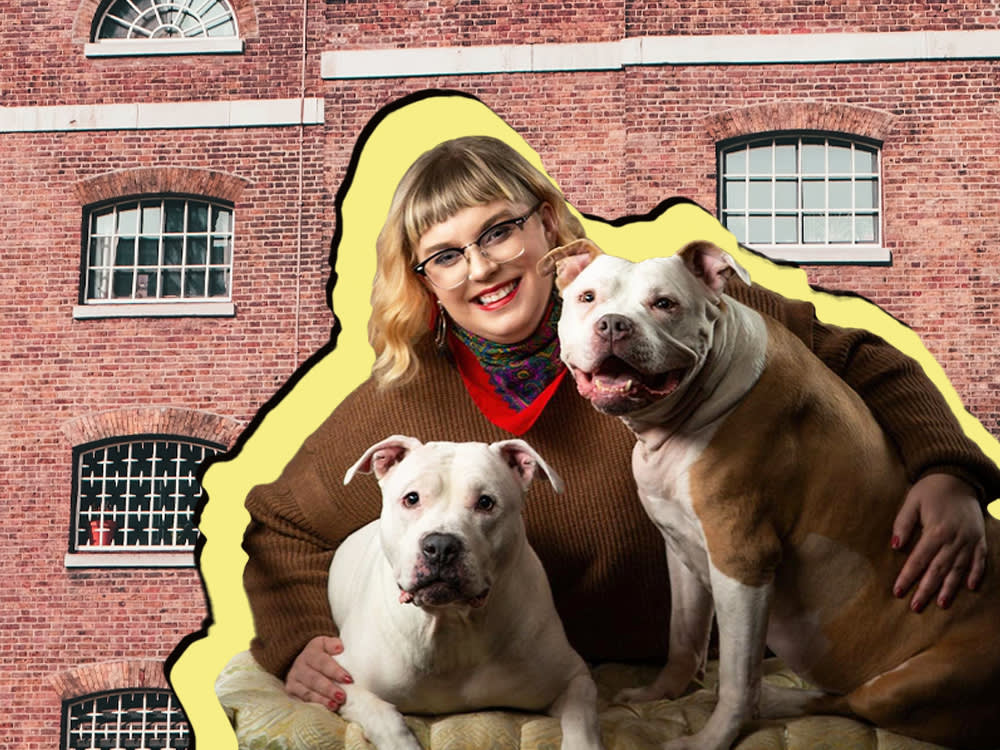
Ask most people why big, blocky-headed dogs pile up in shelters, and you will hear something about temperament. Ask the people who actually track surrenders, and you get a very different answer: the dog never did anything wrong. A lease did. The single most common reason dogs are given up is that their families cannot find a home that will take them.
That gap, between what dogs are blamed for and why they actually lose their homes, is the whole reason My Pit Bull is Family exists.
From a bumper sticker to a movement
The story starts small, in Minneapolis in 2011. A landlord noticed that hers were among the few properties in town open to Pit Bull-type dogs, and the unfairness of it stuck with her. So she began printing bumper stickers with the slogan “My Pit Bull is Family,” an effort to chip away at the stereotypes trailing these dogs and the people who love them. The stickers caught on and rode around on cars nationwide for years.
In 2014, Shannon Glenn joined the effort and grew it into something bigger: a full nonprofit taking on housing discrimination for every dog, no matter their breed or bulk. Glenn, who now serves as executive director, says the cause was one even animal advocates had largely ignored. She recalls standing up at her first animal-welfare conference, where the room was puzzling over what was driving big dogs into surrender and euthanasia, and telling them flatly that the answer was housing. The looks she got said the field did not buy it. Within a few years, she notes, housing had climbed to the center of the animal-welfare conversation.
The 1980s list still deciding who gets a home
Trace the discrimination back far enough and you land on a familiar culprit: insurance. In the 1980s, insurers assembled a roster of breeds they branded the most aggressive or most destructive, and Pitties landed right at the top of it. The list ran to roughly 25 breed types, generally larger dogs with the blocky heads and broad bodies often used to describe Pitties, and, remarkably, versions of it are still used today to justify turning families away from apartments and denying coverage.
That is the machinery behind the surrender statistic. When landlords and insurers lean on a decades-old blocklist, dogs and their people get squeezed out of the housing market together.
“A breed label on an insurance form tells you almost nothing about how a given dog behaves in a living room,” says Dr. Amara Solis. “Individual history, training, and socialization drive behavior. Judging a dog by the shape of their head is like judging a tenant by their last name.”
Turning the fight into data
To push back, My Pit Bull is Family did something clever: it treated housing like an analytics problem. In 2019, Glenn and a team of volunteers built the National Rental Research Dashboard, a nationwide map of rental properties sorted by whether they welcome dogs. Blue dots mark homes open to all breeds; red dots flag places with pet restrictions.
The work behind those dots is gloriously low-tech and human. Volunteers comb listing sites like Rent.com, dig into each property’s pet policy, call landlords and rental groups to confirm the details, and enter it all by hand. The payoff is a renter who no longer has to cold-call fifty buildings to find the handful that will say yes.
The organization’s reach goes beyond the map. In its home city, it opened the North Minneapolis Pet Resource Center, which provides pet food and supplies to community members who need them, on the principle that income or where you live should never decide whether you get to keep your dog. The program, Glenn says, is often what allows a family in a rough financial stretch to hold onto their pet instead of surrendering it.
Housing, race, and who gets left out
Glenn is candid that this is not only a dog story. She has seen pet-friendly listings tick up in Minneapolis in recent years, alongside a broader public reckoning with racial injustice in the city, and she connects the dots openly: breed discrimination in housing falls most heavily on lower-income neighborhoods and on families of color. Minneapolis itself has an ugly history here, with Pit Bulls barred from public adoption in the city until 2015. Naming those connections, she says, is part of the work.
What’s changed since: the law is starting to catch up
For years, advocates like Glenn were fighting the insurance blocklist one landlord at a time. Lately, a few states have started dismantling it outright. Nevada led the way: a 2021 law that took effect in January 2022 barred insurers from denying or repricing homeowners coverage based solely on a dog’s breed. Then, in 2025, the state went further, with a law effective October 1 that stops insurers from using breed as a factor in landlord liability policies for multi-family housing. Insurers can still act on an individual dog with a documented bite history, which is the point: the focus shifts from punishing a breed to assessing an actual animal’s behavior.
It is exactly the change Glenn has argued for, and a sign that the surrender-by-lease pipeline is not inevitable. Her stated goal for the organization, in fact, is to make itself unnecessary. Until then, she wants people to remember the simplest truth about the dogs at the center of it all: every one has their own personality, and in her experience most Pit Bull-type dogs are goofy, gassy, endlessly loyal, and mostly interested in a good snuggle.
References
Marcus Webb writes about the gear, gadgets, and everyday choices that make life with a pet easier. His coverage runs from product picks to training and the causes worth paying attention to, always with an eye on what actually earns a place in your home.
Meet our experts ↗Keep reading
 Living55 Dogs, One Business License: The Arizona Case That Exposes a Rescue LoopholeJames Okafor · 5 min
 Living'Stray' Filmed a Country That Protected Its Street Dogs. That Country Is Gone.Tom Hadley · 7 min
 LivingThe Rescue That Stopped Taking the Dog AwayLeila Torres · 7 min
 LivingShelters Didn't Refill Because Adopters Vanished. Three Faucets Were Left RunningLeila Torres · 6 min
 LivingToo Wild to Keep, Perfect to Save LivesMarcus Webb · 6 min
 LivingWhat It Actually Takes to Fly 29 Street Dogs to a New LifeLeila Torres · 5 min