


Deputies Seized 44 Dogs From a North Carolina Property. The Second Search Found Over 170 More.
The February 2024 Bear Creek puppy mill case started with a neighbor's tip and ended with one of the largest dog rescues in Chatham County history.

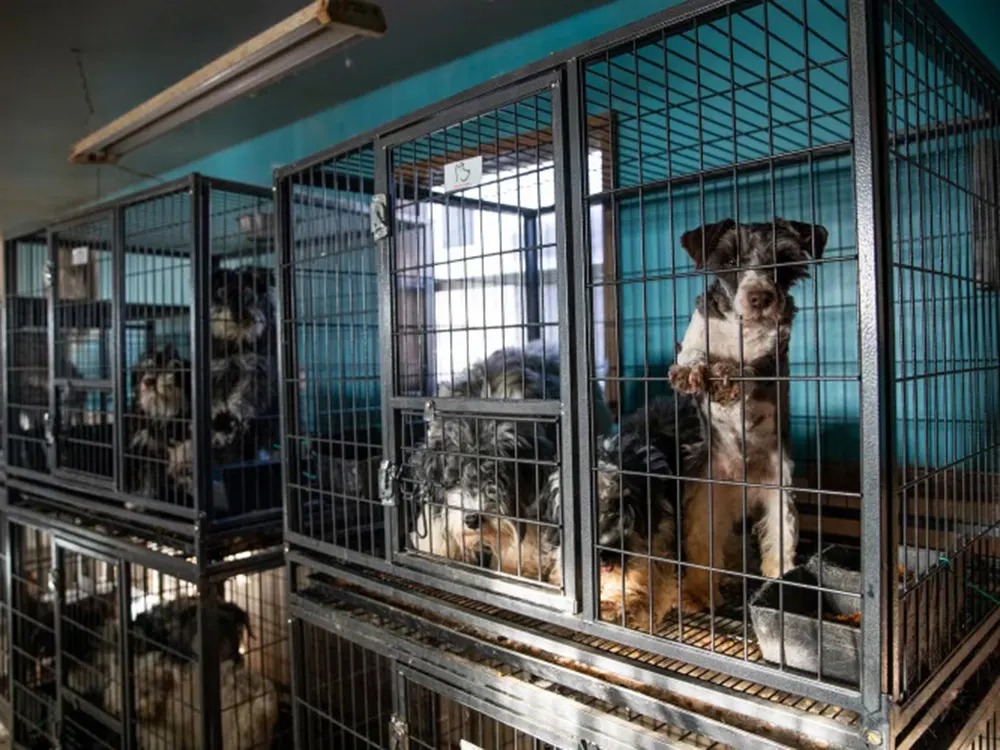
The first search should have been the whole story. In late January 2024, acting on tips from locals, Chatham County deputies visited a property on Oakley Church Road in Bear Creek, North Carolina, and removed 44 dogs living in conditions bad enough that the owner was arrested on the spot and charged with ten counts of animal cruelty. Several dogs on the property were found dead.
Then came the part that turned a local cruelty case into one of the county’s largest animal rescues. Concerns about the property did not end with that first seizure, and the sheriff’s office obtained a second search warrant in early February. What investigators found when they went back: more than 170 additional dogs, including newborn puppies, many in severe distress.
Two organizations, one very long day
A rescue of that size is beyond what most county shelters can absorb, so the Chatham County Sheriff’s Office called in help. The BISSELL Pet Foundation, which funds vaccines, spay and neuter surgery, microchipping, and disaster response for underserved communities, joined the operation and brought in Animal Rescue Corps, a group that exists specifically to give local law enforcement the manpower and expertise for large-scale cruelty cases.
Animal Rescue Corps, which dubbed the operation “Carolina Torment,” described dogs living in their own waste amid high ammonia levels, badly matted, and carrying a backlog of medical, physical, and behavioral problems that had never been treated and now needed urgent attention. The animals, mostly schnauzers and schnauzer mixes among other breeds, were transported to the group’s rescue center for treatment, while the organization helped document evidence for prosecutors.
Sheriff Mike Roberson thanked both organizations and framed the case bluntly: his office prosecutes cruelty whether the victim walks on two legs or four. In the weeks that followed, a second woman living at the same address was also arrested and charged with ten misdemeanor counts of animal cruelty.
The industry behind the case
What deputies found in Bear Creek fits a national pattern. The Humane Society of the United States defines puppy mills as high-volume breeding operations that prioritize profit over the welfare of dogs, where breeding mothers commonly spend their entire lives in cramped cages and are discarded when they can no longer produce litters. The organization estimates roughly 10,000 puppy mills operate in the United States, producing about 2.6 million puppies a year, with another half million dogs held as breeding stock.
Those numbers are why rescuers repeat the same advice after every one of these operations. Adopting from a shelter is the surest way to avoid funding a mill. For anyone set on buying from a breeder, the test is simple and physical: visit the property in person, see where the puppies and their mother actually live, and walk away and call law enforcement if anything feels wrong. A breeder who will not show you the premises is answering your question by refusing it.
Dogs from seizures like this one typically need weeks or months of medical care and socialization before they are ready for adoption, and the groups doing that work run on donations and volunteers. Both BISSELL Pet Foundation and Animal Rescue Corps accepted public support for the Carolina Torment dogs throughout their recovery.
What happened after the headlines
The case grew after the initial coverage. On February 6, 2024, the Chatham County Sheriff’s Office arrested Kelly Dawn Privat, 48, of the same Oakley Church Road address, on ten misdemeanor animal cruelty counts, with bond set at $10,000, joining the original charges against property owner Alicia Dawn Culbertson. The rescue’s final scope, more than 200 dogs removed across two searches, made it one of the largest cruelty seizures in the county’s history.
The broader fight has moved slowly. North Carolina remains one of the states without comprehensive commercial-breeder licensing, which is why large-scale operations there tend to surface the way this one did: not through inspections, but because neighbors spoke up. The tip line, it turns out, is still the system.
References
Leila Torres leads our Living coverage, from home life and travel to the products and rescue stories that come with sharing a life with animals. She edits and writes across the section, with a soft spot for pieces about the bond between people and their pets.
Meet our experts ↗Keep reading
 LivingThe Brooklyn Rescue That Grew Slower on Purpose, and Survived the CrashNina Vasquez · 7 min
 Living93 Dogs Died in Her Care. A Year Later, the Case May Never See a JailMarcus Webb · 4 min
 LivingA Bystander's Phone Was the Only Thing Between These Dogs and DeathNina Vasquez · 4 min
 LivingA Storm, a Deadline, and 200 Dogs: Inside a Frantic Mississippi RescueNina Vasquez · 4 min
 LivingA Vegas Shelter Started Paying People $200 to Foster. That Tells You How Bad It Got.Nina Vasquez · 5 min
 LivingNobody Meant to Have 100 Dogs. That's How It Always Starts.Nina Vasquez · 5 min