


The Brooklyn Rescue That Grew Slower on Purpose, and Survived the Crash
When the pandemic adoption boom went bust, returns buried most rescues. Badass Rescue's return rate never moved. Executive director Krista Almqvist explains the unglamorous model behind that.
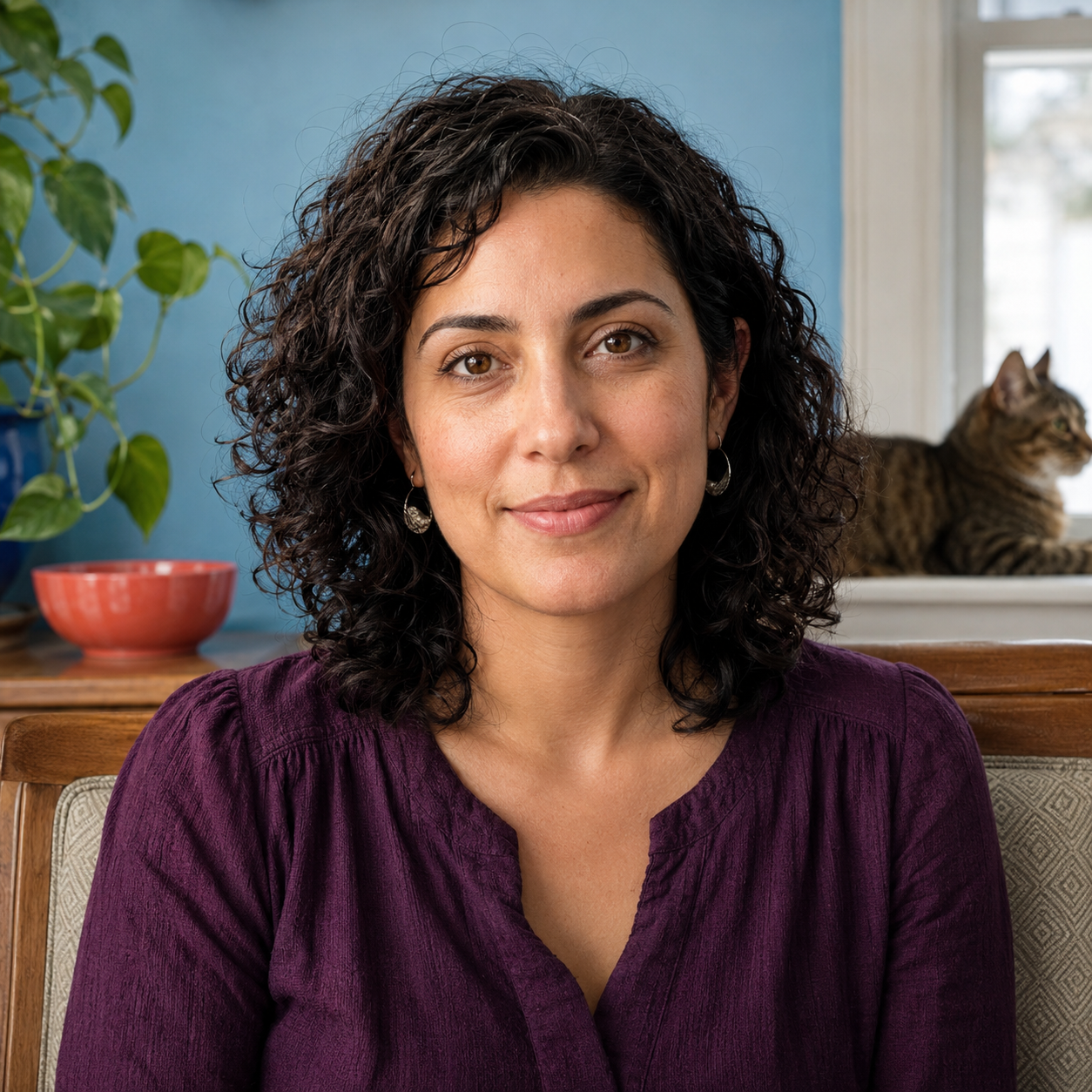
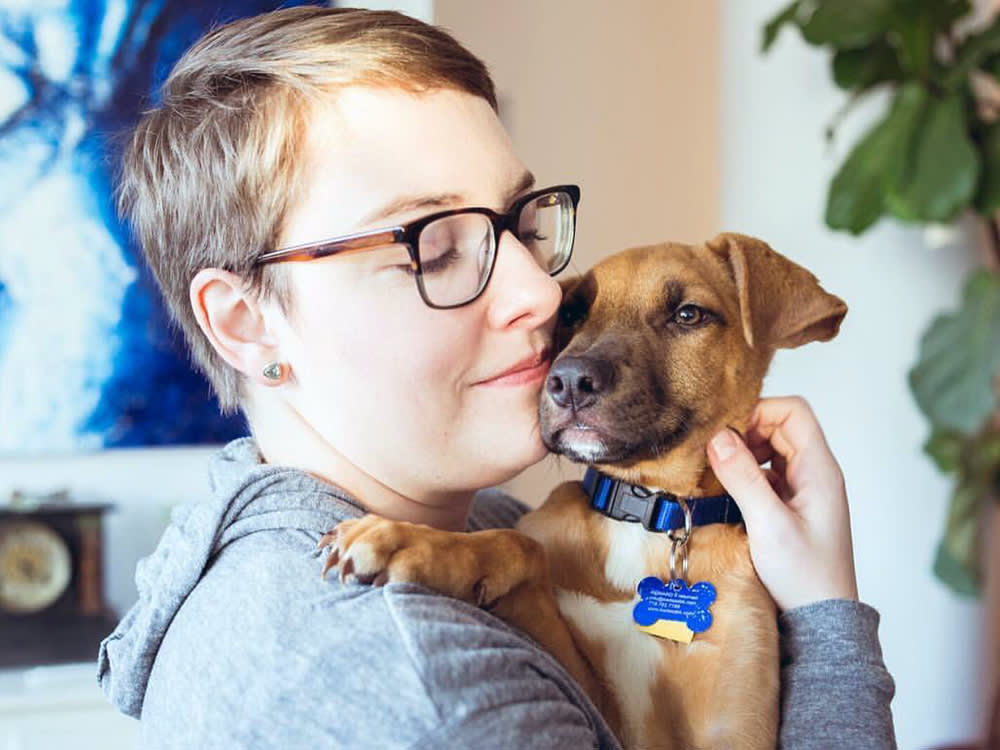
When applications to foster and adopt quintupled almost overnight, most rescues did the natural thing and grew to meet the demand. Badass Rescue did something that looked, at the time, almost stubborn: it mostly didn’t. That single decision is the reason the Brooklyn-based organization is steady today while much of the rescue world is, by its own director’s account, in deeper crisis than at any point during the pandemic.
The story most people tell about pandemic pets is a simple boom-and-bust: everyone adopted in 2020, everyone returned the dog in 2023. Badass is the control group that complicates that story. Its return rate barely moved through the whole cycle. Talking with executive director Krista Almqvist, what emerges is not a feel-good rescue tale but a quiet argument about how to run one, that the goal was never to save the most dogs this month, but to build something that could keep saving them after the spotlight moved on.
From nannying child actors to running the place
Almqvist’s path into rescue was, in her words, “very unconventional.” Before 2013 she was a nanny for child actors, a job she notes is “not entirely unlike wrangling a pack of high-energy pups,” though obviously a different one. A lifelong animal lover who grew up around all kinds of animals and studied literature, she had little formal connection to rescue when she and her husband went looking for a dog.
They went to Badass, the organization known for pulling pups from high-kill shelters and handing each new arrival a temporary celebrity name. In June 2013 they adopted a six-month-old hound puppy from Alabama. By September, Almqvist was volunteering. She started on merch at events, moved into fostering, adopted a second dog, joined the foster team, became the rescue program assistant, then director of rescue, and eventually Badass’s first-ever executive director. Nine years and two dogs after walking in as an adopter, she was running the place.
The model: pick the hardest cases, then don’t discriminate
Badass was founded in 2011 on a few principles Almqvist says matter as much now as they did then. The first is going where the need is worst. Badass pulls from high-kill shelters in the rural South, many of which, before outside groups get involved, run euthanasia rates above 90 percent. “In those places, only about one dog in ten walks out alive,” she says. By partnering with local welfare organizations, rescues like Badass can bring that number down sharply.
The second principle is that Badass is a true all-breed rescue. “Every breed, every age, every size comes through our doors, no exceptions,” Almqvist says. That includes the medical cases other groups pass on: heartworm-positive dogs, dogs that have been shot, dogs with dangling, broken legs. “Those are exactly the cases plenty of groups simply can’t afford to handle, and we jump in without hesitating.”
The third is community, and Almqvist is emphatic that it is not a soft add-on but the engine. “Taking home a Badass dog means a whole community stands with you,” she says. Foster, adopt, or volunteer, you are part of the same tightly networked group, and that web of people is what lets a volunteer-driven rescue absorb hard cases without burning out.
Why “growing slower” was the whole strategy
In 2020 and 2021, Badass watched its applications jump from about 150 a month to more than 500. The obvious move was to scale adoptions to match. Badass refused. “We did not go from 250 adoptions to 600 adoptions,” Almqvist says. They held the line on volume and screened as carefully as ever.
The payoff showed up later. As the world reopened, the appetite for fostering and adopting dropped off sharply, and shelters and rescues nationwide were hit with a wave of owner surrenders and returns. Badass was not. “Our return rate has remained the same low percentage as it was pre-pandemic,” she says. The dogs Badass placed during the boom were matched, not rushed, so they mostly stayed placed.
Almqvist’s read on the present is blunt: “Rescue across the nation is actually in more of a crisis now than it was during the entire pandemic.” The national data backs the spirit of that, even as the headline number improves. According to Shelter Animals Count’s 2025 report, roughly 597,000 animals were euthanized in U.S. shelters last year, with dog euthanasia actually down about 7 percent from 2024. The strain has shifted from the kill rate to capacity: dogs, especially large dogs, are staying in shelters far longer than they did five years ago, clogging a system where 59 percent of incoming animals arrive as strays and another 30 percent as owner surrenders. The crisis Almqvist describes is less about a spike in deaths than about a system jammed with dogs no one is moving fast enough to place, exactly the bottleneck a low-return, carefully-matched model is built to avoid.
What she wants every would-be adopter to know
Given that return wave, Almqvist’s advice to prospective dog parents cuts against the way most people shop for a dog. Stop leading with looks. “Almost everyone walks in picturing a certain size or a certain look,” she says, “when what really counts is the dog’s energy and personality.” A dog that is wrong for your life will not become right because it is cute.
She also wants people to budget for the adjustment. “That first decompression can stretch across a full three months,” she says. A rescue dog arrives knowing only what it was taught, which is often very little. “Come in expecting to be patient and to put in real effort. And trust me, it pays off every time.” That three-month decompression window, sometimes shorthanded as the “3-3-3 rule” by trainers, three days to settle, three weeks to learn the routine, three months to truly relax, is exactly the period when a poorly matched or under-supported adopter is most likely to give up. It is, not coincidentally, the gap Badass’s community model is designed to cover.
The part that keeps her going
Ask Almqvist her favorite thing about the work and she does not name adoption-day photos. She names the slow ones. Badass pulls a lot of dogs from places where they have barely seen people or cars, dogs who are shut down and hide at the back of the kennel, sometimes for days, before they trust anyone.
“There’s nothing like meeting a terrified dog pressed into the back of a shelter kennel,” she says, “and then greeting that same dog off the transport up here in New York, and having it recognize you. It might still be timid, but once it’s in foster you get to see it unfold, soften, start trusting, and finally just be a dog.” Then she lands on the line that doubles as the rescue’s whole philosophy: “It matters to us that Badass never writes off the ones who need a little extra time.” In a system now measured by how long dogs wait, that is not just sentiment. It is the model.
References
Nina Vasquez writes about life at home with pets and the relationships at the heart of it. Her work covers day-to-day living, people-and-pet stories, and the products that fit into a real household, with a warm, grounded take on everyday pet ownership.
Meet our experts ↗Keep reading
 LivingShelters Didn't Refill Because Adopters Vanished. Three Faucets Were Left RunningLeila Torres · 6 min
 Living'Pit Bull' Isn't Even a Breed. That Didn't Stop the Headlines.Marcus Webb · 5 min
 LivingMost 'Wolfdogs' Have No Wolf in Them. The Lie Is What Fills the Sanctuaries.James Okafor · 7 min
 LivingA Comedian Built a Movement Around the Dogs Nobody WantedLeila Torres · 5 min
 LivingThe Prison Puppy Program Has One Rule Ghislaine Maxwell Can't Get AroundNina Vasquez · 4 min
 LivingA Vegas Shelter Started Paying People $200 to Foster. That Tells You How Bad It Got.Nina Vasquez · 5 min