


93 Dogs Died in Her Care. A Year Later, the Case May Never See a Jail
The Woofy Acres cruelty case became a test of whether the law can hold a fake rescue accountable. Months after the February hearing, the answer looks like a mental-health diversion track, not punishment.
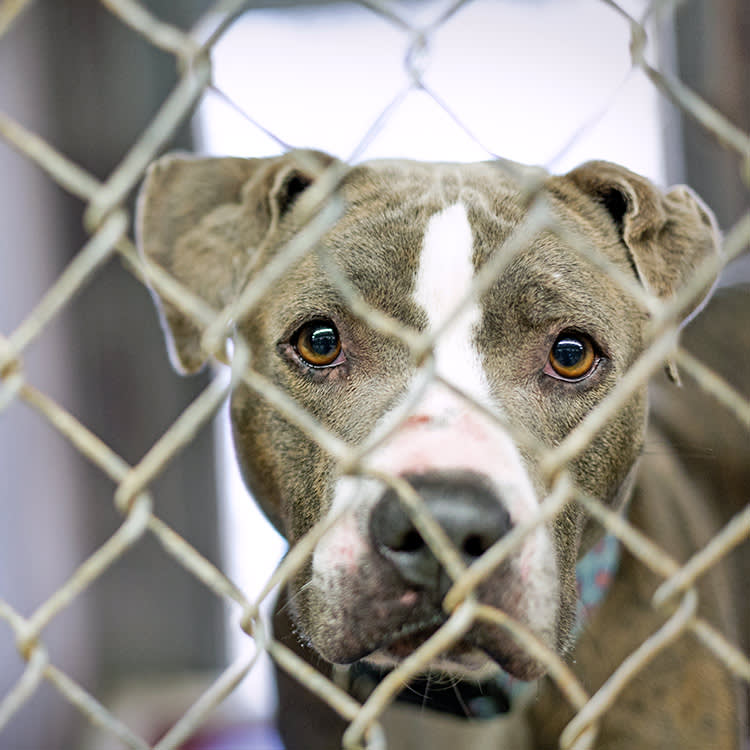
The hardest number in this story is not the 114 dogs seized from a self-described California rescue. It is 93: the dogs so far gone when rescuers reached them that euthanasia was the only humane option left. Four more died soon after. Seventeen survived. And the question that has hung over the case ever since is whether a justice system built to punish cruelty can actually do so when the cruelty wears the costume of a rescue. The months since the defendant’s February court date suggest the uncomfortable answer is leaning toward no.
Where the case stands now
Dianne Bedford, the executive director of Woofy Acres Adoptions, was charged in 2025 with a stack of counts: seven felony counts of cruelty to animals, nine misdemeanor counts, and 21 counts of failure to care for an animal. A February 17, 2026 hearing was supposed to push the case forward. Instead, public court records reviewed in the spring show it sliding in a different direction. Rather than a trial on the felony cruelty counts, the case has moved toward a mental-disorder diversion track, with the defendant granted pretrial release under conditions and the proceedings repeatedly continued through the first half of 2026. No conviction, no sentence, and no jail time have been entered.
That is precisely the outcome advocates warned about from the start. Under California law, if the defense succeeds in casting this as mental-health-related animal hoarding rather than intentional cruelty, and prosecutors narrow the case to a single felony, the likely result is probation rather than incarceration, and possibly not even a fine.
How the dogs got there
The collapse did not happen overnight. The operation first drew scrutiny in early 2024, when Bedford was accused of abandoning more than two dozen dogs at a kennel in another county, dogs that Orange County Animal Care had released to Woofy Acres in good faith.
“We don’t understand how anyone would think this is OK,” Shanderin Kennels vet tech Samantha Redline told KTLA at the time. “We heard that she did this to two other facilities.”
Later that year, San Bernardino Animal Control received a written complaint about conditions at the Piñon Hills property. Officers arrived to find dogs crammed into unsanitary, overcrowded quarters, denied adequate food, water, and medical care, the stench of feces and urine hanging over the whole property. Most of the survivors were skin and bones. Bedford was not arrested until the following August.
“The fact that 93 dogs had to be immediately euthanized makes this the worst animal cruelty case I’ve ever seen,” said Shira Scott Astrof, founder of the Animal Rescue Mission, who has been among the loudest voices pressing for accountability. “This was not accidental. She went to shelters pretending to rescue these dogs, collected money, and didn’t provide care.”
Why this case is bigger than one defendant
The diversion drift matters beyond Piñon Hills because it exposes a gap that any bad actor can exploit. A nonprofit label and a sympathetic mental-health narrative can blunt felony cruelty charges, even when the conduct involves soliciting donations and intake fees while animals starve. Legal analysts have noted that a case like this could, in theory, also invite fraud or tax scrutiny where a charity took in money it did not spend on the animals it promised to save. Whether prosecutors pursue that angle is one of the open threads as the case grinds on.
For now, the practical takeaway for anyone who donates to or surrenders an animal to a rescue is sobering: a 501(c)(3) status and a heartfelt website are not proof of care. Ask to see the facility. Ask how many animals are on site and who provides veterinary care. The accountability that the courts are struggling to deliver after the fact starts, imperfectly, with the questions we ask before we hand an animal or a check over.
Advocates continue to urge the public to contact the San Bernardino County District Attorney’s Office and ask that the felony counts be pursued rather than bargained away.
References
- FOX 11 Los Angeles. “Nearly 100 Dogs Seized From California Animal Shelter Euthanized; Rescuers Warn Suspect May Get Probation.” foxla.com, https://www.foxla.com/news/nearly-100-dogs-seized-from-california-animal-shelter-euthanized-rescuers-warn-suspect-may-get-probation.
- Victor Valley News. “Woofy Acres Director Charged in Animal Cruelty Case After 114 Dogs Seized in Piñon Hills.” vvng.com, https://www.vvng.com/woofy-acres-director-charged-in-animal-cruelty-case-after-114-dogs-seized-in-pinon-hills/.
- San Bernardino County District Attorney. “Piñon Hills Woman Charged With Animal Cruelty.” da.sbcounty.gov, https://da.sbcounty.gov/2025/08/13/pinon-hills-woman-charged-with-animal-cruelty/.
- California Legislative Information. “Penal Code § 597 (Cruelty to Animals).” leginfo.legislature.ca.gov, https://leginfo.legislature.ca.gov/faces/codes_displaySection.xhtml?lawCode=PEN§ionNum=597.
Marcus Webb writes about the gear, gadgets, and everyday choices that make life with a pet easier. His coverage runs from product picks to training and the causes worth paying attention to, always with an eye on what actually earns a place in your home.
Meet our experts ↗Keep reading
 LivingHe Lost 90% of His Business. Then He Groomed 1,461 Dogs for Free.Marcus Webb · 5 min
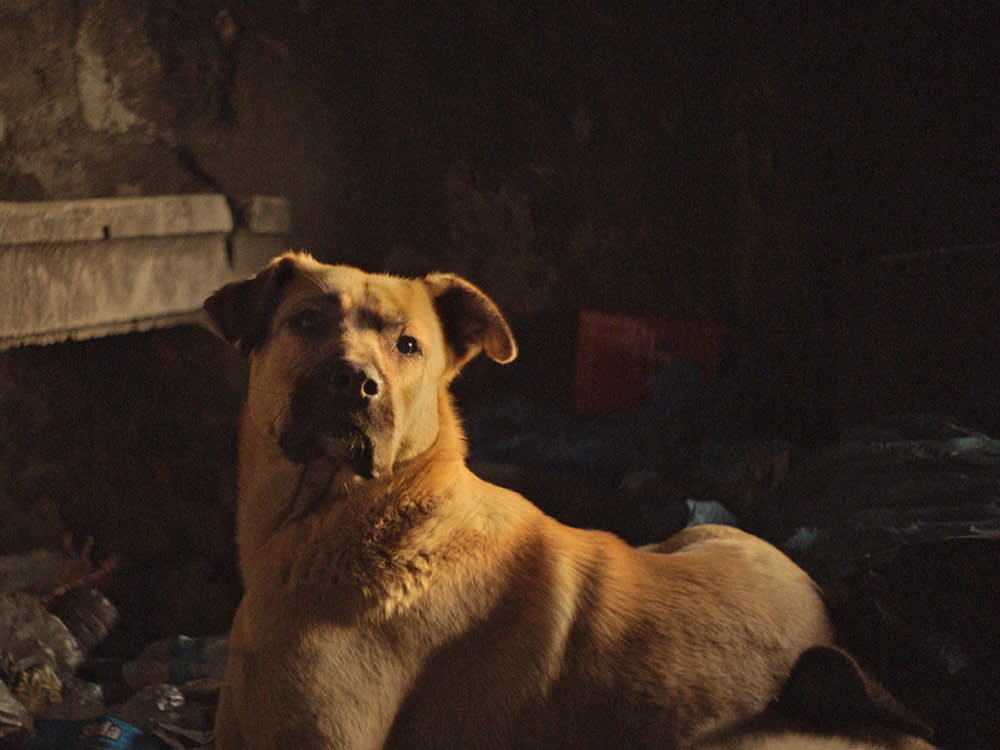 Living'Stray' Filmed a Country That Protected Its Street Dogs. That Country Is Gone.Tom Hadley · 7 min
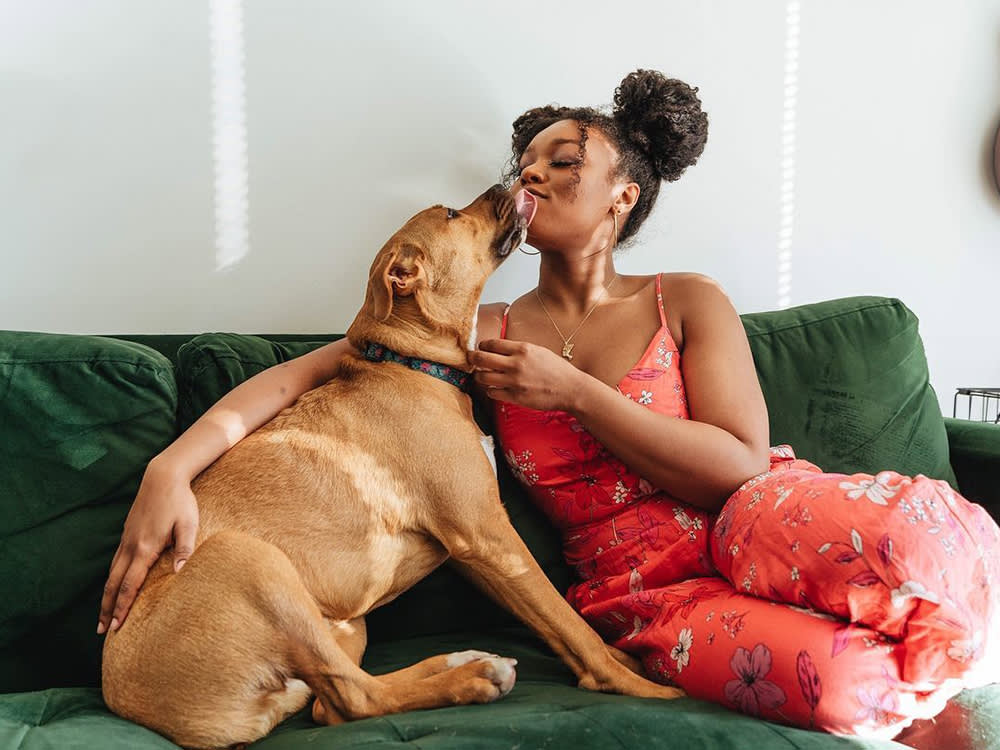 LivingSome States Once Banned Black Families From Owning Dogs. A Yale Scholar on Why That Still Echoes.Leila Torres · 6 min
 Living111 Doodles Got Rescued. The Reason Why Should Bother YouLeila Torres · 9 min
 LivingThe Law to Stop Puppy Mills Already Exists. This Bill Makes the USDA Use It.James Okafor · 7 min
 LivingThe Prison Puppy Program Has One Rule Ghislaine Maxwell Can't Get AroundNina Vasquez · 4 min