

Every family seems to have one: the person who swore they did not want the dog and is now the dog’s favorite. The dad who said “absolutely not” and now shares his breakfast toast. We love this trope because it ends well. What it hides is how the ending actually happens, because it is almost never the argument that wins.
If you are the one who wants the pet and your partner is the holdout, you have probably already tried logic. You have listed the benefits, sent the videos, maybe even quoted a study about stress relief. Here is the uncomfortable truth: persuasion campaigns rarely convert anyone. What converts people is meeting an animal with no stakes attached, paired with a concession that proves you have thought about their life, not just your wish.
Why the debate stalls
A partner who resists a pet usually is not anti-animal. They are anti-disruption. They are doing the mental math on fur, vet bills, travel plans, and who really gets up at 6 a.m., and they suspect the answer is them. Some holdouts grew up without pets and quietly do not understand the point of them. Others have concrete constraints, like a sibling or frequent houseguest with a serious dander allergy, and their resistance is actually consideration for someone else.
Treat those reasons as real, because they are. A couple I know spent years in a gentle standoff over a Maine Coon. One partner had wanted the breed her whole life. The other had grown up petless and, more to the point, had a sister who was allergic, which meant a cat could end her sister’s visits. That is not stubbornness. That is a legitimate cost that deserved an answer, not a counterargument.
“Fostering or pet-sitting for a week is the single most honest test a couple can run, because it converts an abstract argument into lived information. Either the resistant partner softens, or you learn the objection was real, and both outcomes are wins,” says Dr. Amara Solis.
Exposure beats argument
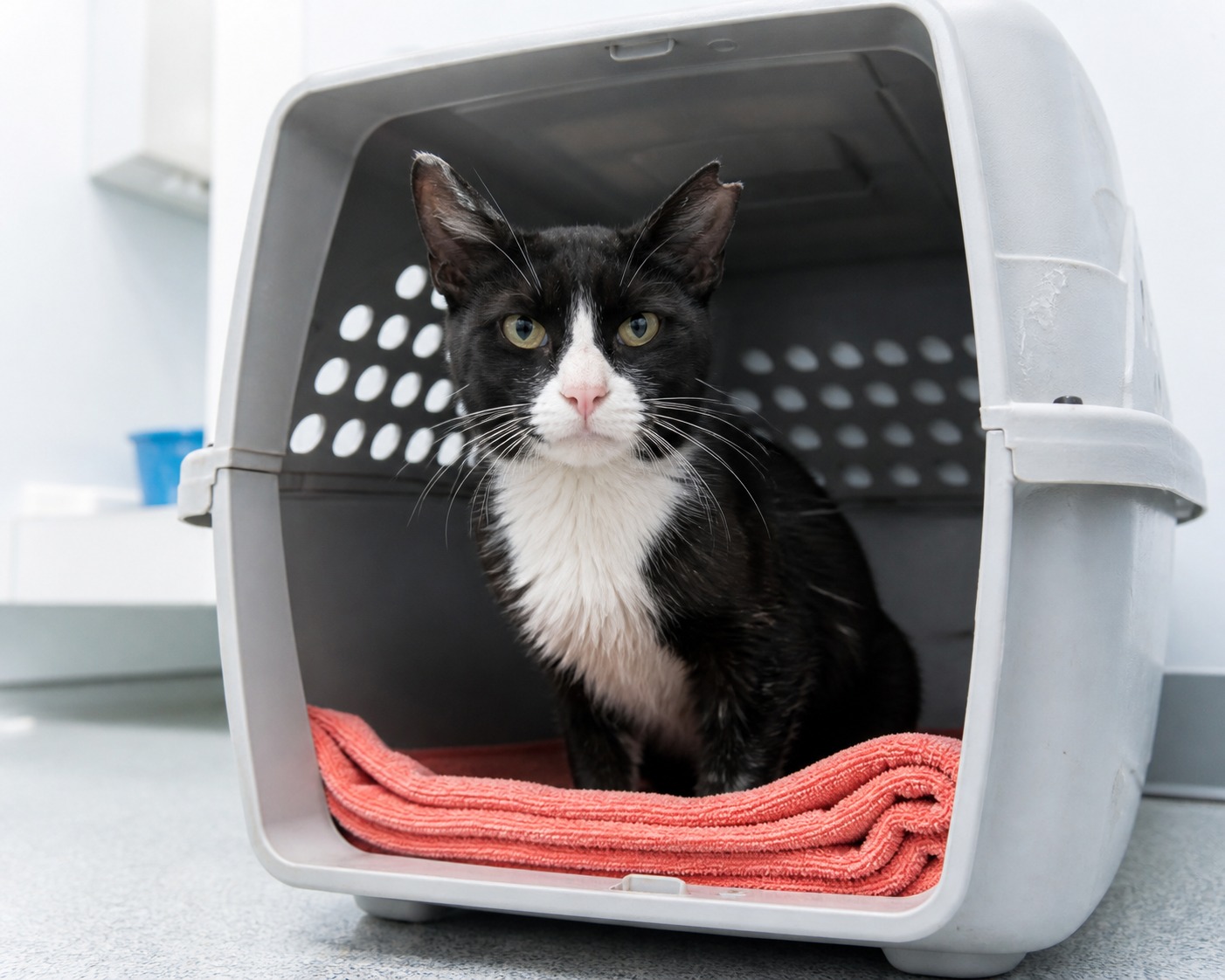
That same standoff ended in one weekend, and not because anyone won a debate. The couple visited a litter of kittens together. One kitten marched straight up to the resistant partner, and the entire calculus changed on the spot. A week later, they had a cat.
There is a lesson in the mechanism. Meeting animals with no commitment attached, at a shelter open house, a friend’s house, or a foster weekend, lets a skeptical partner collect their own data instead of processing yours. You cannot fall in love with a hypothetical. Set up low-stakes contact and then get out of the way.
Fostering is the gold standard here because it has an exit. A week of temporary dog turns every abstract worry into a checkable fact. How bad is the shedding, really? Did the 6 a.m. walk ruin anything? Some fosters go back and the answer is “not for us,” which stings but saves everyone, including the animal. Many do not go back at all.
The concession is the message
Here is the part most people skip. In the kitten story, the partner who wanted the cat promised to give up optional work travel for a year. In another household I know, a woman wanted a Springer Spaniel mix, and her roommate, a stylist with strong feelings about lint, had exactly one condition. The dog came home, and the dog’s person now owns floor cleaning in perpetuity. She considers it the bargain of the decade.
A real concession does two things at once. It proves the intensity of your want, and it pre-answers the fairness question that sits under every pet standoff: who is actually going to do the work? If your offer costs you nothing, it reads as a sales tactic. If it costs you something real, it reads as a plan.
Be specific and write it down, even informally. “I will handle every walk before 8 a.m.” beats “I’ll do most of the work.” Vague pledges are where resentment goes to grow.
Know what you are actually negotiating
The stakes are higher than they look. In a 2025 survey of 1,000 Americans who live with a partner and co-own a pet, nearly one in five men reported pet-related arguments happening weekly or more, and 38 percent of men admitted they had stayed in a relationship longer than they wanted partly to keep access to a pet. Animals bind people together, which is wonderful right up until it is complicated.
So do the unglamorous groundwork before the animal arrives. Agree on the budget, the division of labor, and what happens if the allergy or the travel schedule turns out to be worse than expected. Couples who negotiate before adoption argue less after it, because the deal was made when everyone could still think clearly, not when a kitten was asleep on someone’s chest.
When the answer stays no
Sometimes the constraint is immovable. A severe allergy in the household, a landlord, a partner whose no is genuinely final. Respect it. A pet brought home over a partner’s standing objection starts its life as leverage, and that is fair to no one, least of all the animal. Volunteer at a shelter, pet-sit, foster short term if your partner agrees to a bounded trial. Keep animals in your life without forcing the question.
But if the no is really a “not yet” or an “I don’t get it,” take heart from every reformed holdout dozing under a cat they never wanted. The pattern repeats for a reason. People do not talk themselves into love. They meet it, usually on a weekend they did not see coming.
What newer research adds
Recent survey data has started to quantify what couples have always known anecdotally: pets are relationship infrastructure. Beyond the 2025 co-ownership survey findings above, polling in the last few years has found that a majority of dog owners say they would reconsider a relationship if their dog clearly disliked their partner. The animal’s vote counts.
The practical takeaway is the same one the kitten taught: treat the decision as a shared commitment with real terms, not a wish one person grants the other. The couples who do that end up in the good version of the trope, arguing only about whose side of the bed the cat likes best.