


The 16 Cats That Lived: What a Rensselaer Rescue Reveals About Hoarding
Sixteen cats survived a New York home where 40 more did not. The rescue is a window into why animal hoarding recurs, and how a single phone call can break the cycle.

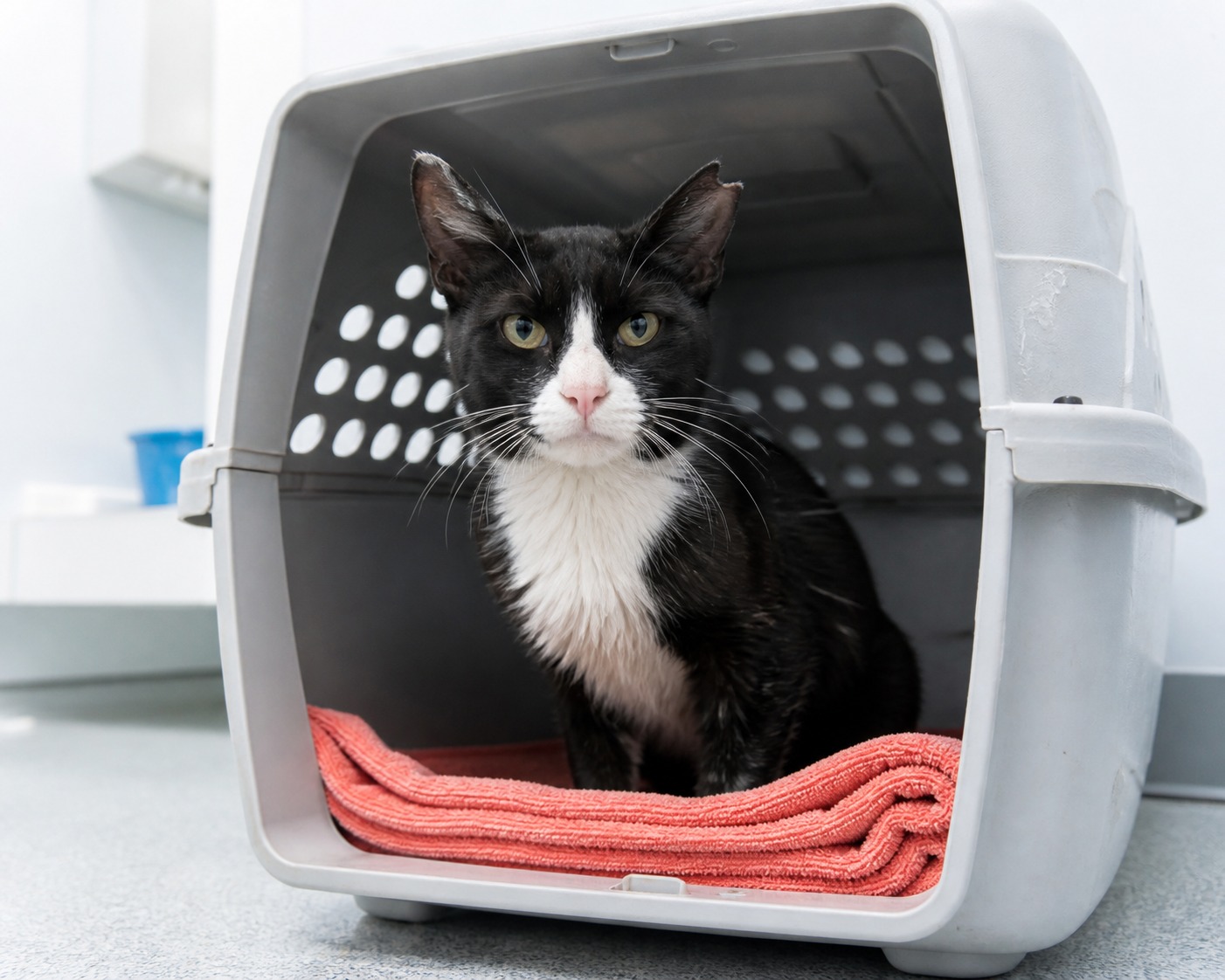
Sixteen cats walked out of a house in Rensselaer, New York alive. That number is where this story should start, because it is the part that can actually be repeated. Forty other cats did not make it, their bodies bagged in a freezer, most of them newborns and kittens. But the survivors were pulled from those same conditions, and they were pulled because a chain of people, a landlord, the police, a humane society, decided to act. Understanding how that chain worked is more useful than dwelling on the horror it interrupted.
Why a case like this recurs, and why that changes the response
The instinct is to read a scene like this as cruelty. It almost never is. Animal hoarding is now recognized in the American Psychiatric Association’s diagnostic manual as a form of hoarding disorder, a mental health condition, not a moral failing or a deliberate campaign of neglect. That distinction is not an excuse. It is the single most important clue to stopping it.
Here is the fact that reframes the whole problem: without mental health treatment, animal hoarders relapse at rates researchers describe as approaching 100 percent. Remove the animals, close the case, and the person often begins collecting again within months. Studies that track outcomes put recidivism anywhere from roughly 40 percent to nearly 60 percent even in monitored cases, and near-total when no treatment follows. Punishment alone does not touch that number. Treatment paired with monitoring is the only thing that moves it.
The mistake communities make is treating the removal as the finish line. You can clear a house and feel like justice was done, and eighteen months later the same person is back in the same situation with new animals. The animals are the symptom. If nobody addresses what is driving the acquisition, you are just resetting the clock.
That is why the Rensselaer mayor’s framing, that this was a mental health situation that spiraled rather than deliberate abuse, matters legally and practically. Twelve counts of animal cruelty were filed against the resident, Pamela Brown Mead, who had been evicted and surrendered the animals willingly. The charges are real. But charges without court-mandated treatment tend to produce the next case.
The scale of a problem most people never see
Roughly 2,000 new animal hoarding cases surface in the United States every year, and that figure is understood to be a floor, not a ceiling, because most unfold behind closed doors until an eviction, a complaint, or a death exposes them. When the ASPCA and its partners examined more than 100 hoarding cases over a three-year span, a clear profile emerged: about two-thirds involved women, and cats were the animal in 76 percent of cases, far more than dogs at 13 percent. The Rensselaer case fits that pattern almost exactly, which is precisely why it is worth learning from rather than treating as a freak event.
What responders actually found, and what they didn’t
The scene was severe. The 40 deceased cats were frozen and wrapped, and local police concluded that determining each cause of death would be too costly to pursue. The house was saturated with waste, the ammonia so concentrated that first responders described struggling to breathe.
And yet the survivors were, medically, better off than that scene suggests. Responders rescued 12 cats in the initial search and four more that afternoon. They arrived with fleas, dirt, and upper respiratory infections, the ordinary illness of long-term neglect, but none had chronic disease or injuries requiring surgery. The humane society’s law enforcement director noted the absence of urgent surgical needs. That gap, between a catastrophic environment and survivable illness, is common in hoarding rescues, and it is the reason early reporting saves lives. Cats removed sooner recover faster and cheaper.
The warning signs, and the one action that matters
If you are worried about a home near you, hoarding tends to announce itself through a recognizable cluster of signs:
- A number of animals the person cannot name, count, or account for
- A persistent, heavy ammonia or waste odor coming from the property
- Animals that look sick, thin, or unkempt, with visible untreated conditions
- Deteriorating, unsanitary living conditions and a strong reluctance to let anyone inside
- The person insisting the animals are fine despite obvious evidence to the contrary
You do not need to be certain, and you do not need to confront anyone. Contact your local humane society, animal control, or police, and let trained responders assess it. This case is the argument for doing so: the 16 that lived were found only because someone made the call. The Mohawk Hudson Humane Society, which handled the rescue, set up a dedicated fund for the survivors and expects to place all 16 in permanent homes.
The lesson worth carrying out of Rensselaer is not that people are cruel. It is that a treatable illness, caught early by an ordinary neighbor willing to speak up, has a survivor count. This time it was 16.
References
- ASPCA. “Animal Hoarding.” https://www.aspca.org/helping-people-pets/animal-hoarding
- ASPCA. “Position Statement on Hoarding.” https://www.aspca.org/about-us/aspca-policy-and-position-statements/position-statement-hoarding
- Lockwood, R. “Animal hoarding: The challenge for mental health, law enforcement, and animal welfare professionals.” Behavioral Sciences & the Law, 2018. https://onlinelibrary.wiley.com/doi/10.1002/bsl.2373
- American Psychiatric Association. Diagnostic and Statistical Manual of Mental Disorders (DSM-5), Hoarding Disorder. https://www.psychiatry.org/patients-families/hoarding-disorder
- News10 ABC. “Over 40 cats found dead in freezer of Rensselaer home.” https://www.news10.com/news/rensselaer-county/over-40-cats-found-dead-in-freezer-of-rensselaer-home/
Marcus Webb writes about the gear, gadgets, and everyday choices that make life with a pet easier. His coverage runs from product picks to training and the causes worth paying attention to, always with an eye on what actually earns a place in your home.
Meet our experts ↗Keep reading
 LivingShe Rented a House in Tucson and Inherited 30 Cats. The Internet Did the Rest.Nina Vasquez · 6 min
 LivingA $225 Spay Surgery in Brooklyn: Inside the Clinic Flatbush Cats Willed Into ExistenceNina Vasquez · 6 min
 LivingA San Diego Judge Redefined 'Abandonment' for Cats. Shelters Everywhere Are Watching.Marcus Webb · 6 min
 Health & WellnessDeclawing Isn't a Manicure. It's Ten Amputations, and the Law Is Catching UpDr. Ravi Mehta · 8 min
 LivingThe 'Crazy Cat Lady' Was Queer History All AlongLeila Torres · 4 min
 LivingThe Nonprofit Getting Hundreds of Businesses to Bankroll Cat RescuesNina Vasquez · 5 min