


The Science Says Joy Is Agency. Give Your Dog More Choices
The happiest dogs aren't the most stimulated ones, they're the ones with the most say. Here's what choice and control research means for your dog, and 7 ways to give more.
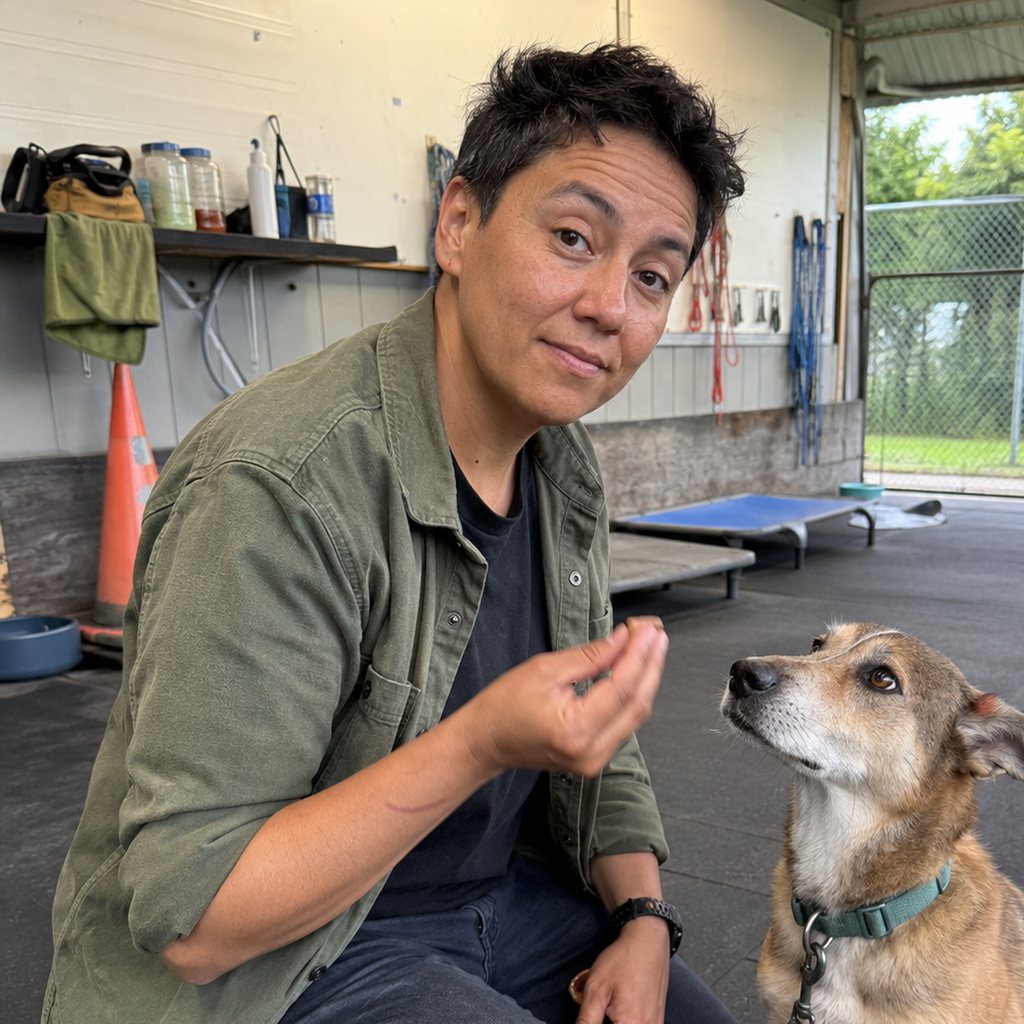
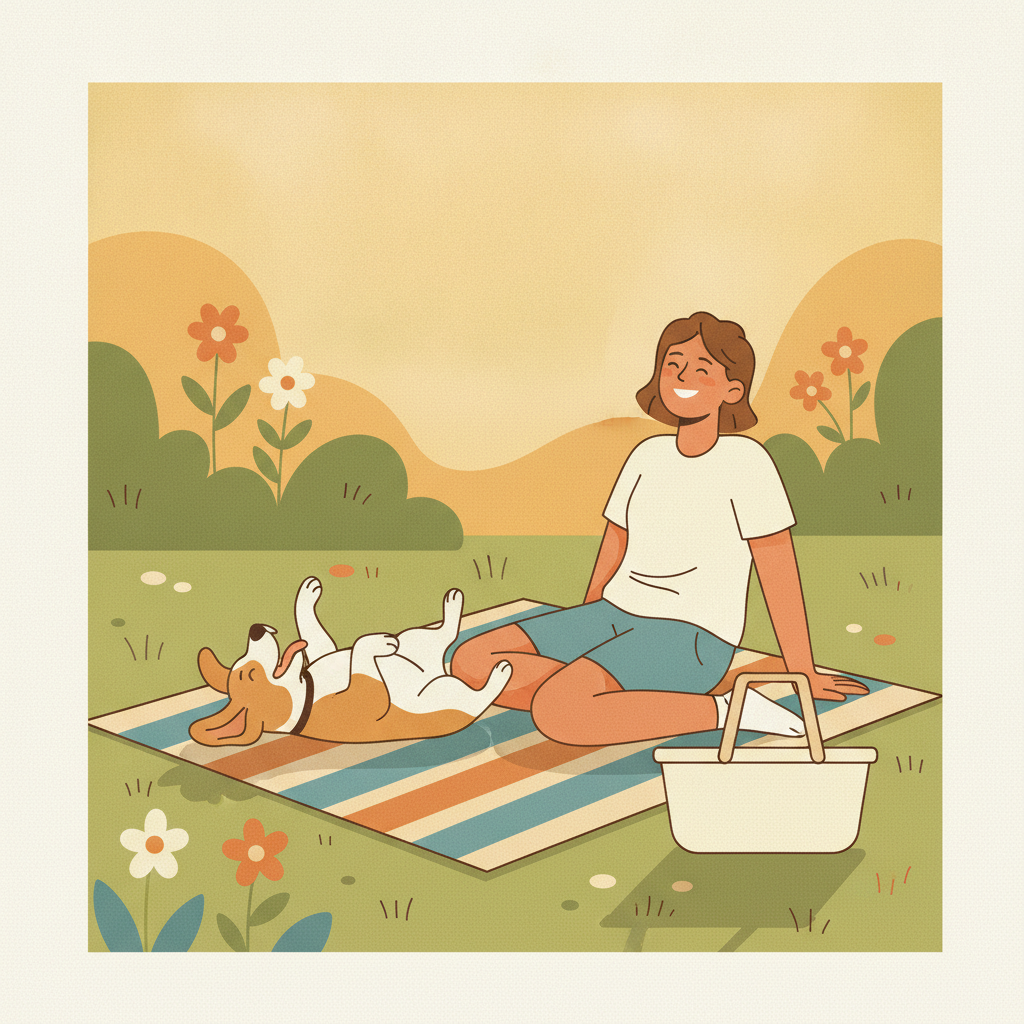
You already meet your dog’s needs. You walk them, feed them, groom them, take them to the vet, and buy them more squeaky toys than any animal could need. So why do so many well-cared-for dogs still seem a little flat? The answer that animal-welfare science keeps landing on is not “more stimulation.” It is agency. The happiest dogs are not the busiest ones; they are the ones with the most say over their own day. Reframe joy as agency, the chance to make real choices and see them through, and the way you spend your dog’s free time changes. These seven ideas are all small, and they all hand a little control back to the dog.
Why choice beats stimulation
Researchers studying positive welfare now treat “agency,” an animal’s ability to make choices and influence its environment, as a domain of wellbeing in its own right, not a nice-to-have. A 2024 analysis of factors behind canine behavior disorders found that fewer opportunities for choice, control, and predictability were associated with more behavior problems. Put plainly: a dog who never gets to decide anything is a dog more likely to struggle. The flip side is the good news, because handing over small, safe choices is one of the cheapest and most powerful things you can do for a dog’s happiness. The tips below are agency in practice.
1. Make the walk an adventure, not a circuit
Most dogs walk the exact same loop every day, which is convenient for us and dull for them. Novelty is its own reward to a nose-led animal, so rotate in a new neighborhood, a trail, a swimming hole, anywhere unfamiliar. New places mean new smells, and for a dog that is genuine pleasure. Bonus points if your dog loves the car, since adventures often start with a ride.
2. Let the nose lead sometimes
A “sniffari” is the purest form of canine agency: a walk where the dog, not you, picks what is interesting and how long to investigate it. Slow down, loosen the leash in safe spots, and let your dog read the news at the base of every tree. Sniffing is mentally tiring in a satisfying way and lets the dog exercise real choice about where their attention goes.
3. Offer choices on the walk you already take
You do not need a special outing to give choice. At a fork in the path, pause and let your dog pick the direction. Let them set the pace for a stretch. Let them decide a particular bush deserves thirty seconds. These micro-decisions cost you nothing and tell your dog their preferences count.
4. Use off-leash freedom where it is safe
Where it is legal and secure, a fenced field or a quiet beach, off-leash time is agency at full volume. The dog chooses where to run, how fast, whether to roll or chase or simply flop in the grass. Few things light a dog up like the freedom to move on their own terms.
5. Play the games your dog actually likes
Play is the most direct route to joy, and it does double duty as exercise, socializing, and a boredom-buster. The key is to follow your dog’s lead. Some dogs are built for fetch, others for tug, others for chase. If your dog seems uninterested in toys, do not give up before trying chase games, since many supposedly “uninterested” dogs turn out to be playful once you find the right game. Let the dog tell you what fun looks like.
6. Build in problem-solving
Active enrichment, the kind a dog engages with by choice, beats passive entertainment. Snuffle mats, puzzle feeders, a frozen stuffed Kong, or scattering kibble in the grass turns eating into a small, satisfying problem to solve. The dog decides how to attack it, which is exactly the point.
7. Respect the “no”
Agency includes the right to opt out. If your dog backs away from a stranger’s hand, does not want the hug, or would rather not be at the crowded brewery, listening to that is a gift, not a failure. A dog who learns that their signals are heard moves through the world with more confidence and less stress, which is its own kind of joy.
References
- Hunsberger, R., et al. “A Multidimensional Evaluation of the Factors in the Animal Welfare Assessment Grid That Are Associated with, and Predictive of, Behaviour Disorders in Dogs.” Animals, 2024. National Library of Medicine, PMC10886356.
- Mellor, D. J., et al. “The Agency Domain and Behavioral Interactions: Assessing Positive Animal Welfare Using the Five Domains Model.” Frontiers in Veterinary Science, 2023.
- Špinka, M., and Wemelsfelder, F. “Choice, Control, and Animal Welfare.” Frontiers in Veterinary Science.
Jordan Ellis is a certified professional dog trainer with a decade of experience working with rescue organisations and private clients. They specialise in anxiety, reactivity, and positive reinforcement methods, and review all training and behaviour content at The Pet Times.
Meet our experts ↗Keep reading
 Living'All-Day Play' Is a Red Flag, Not a Selling PointJordan Ellis · 9 min
 TrainingThe One Thing Your Dog's Breed Is Quietly Begging You ForJordan Ellis · 7 min
 TrainingYour Dog's Toy Stash Is Adorable. The Growl Over It Isn't.Marcus Webb · 7 min
 TrainingMost Dog-Park Advice Is Half True. These Are the Signals That Actually MatterDr. Nina Kohl · 10 min
 LivingYour Dog Doesn't Care About Your Square Footage. It Cares About You.Marcus Webb · 9 min
 LivingYour Dog Is a TV Critic, and Their Reviews Depend on Their PersonalityDr. Lena Park · 4 min