


The Sunflower Won't Hurt Your Cat. The Seeds Are a Different Story
Sunflower blooms are non-toxic to cats, so the flower is the easy part. The risks worth knowing are in the seeds: salty snack-pack toxicity and shells that can block a small cat's gut.

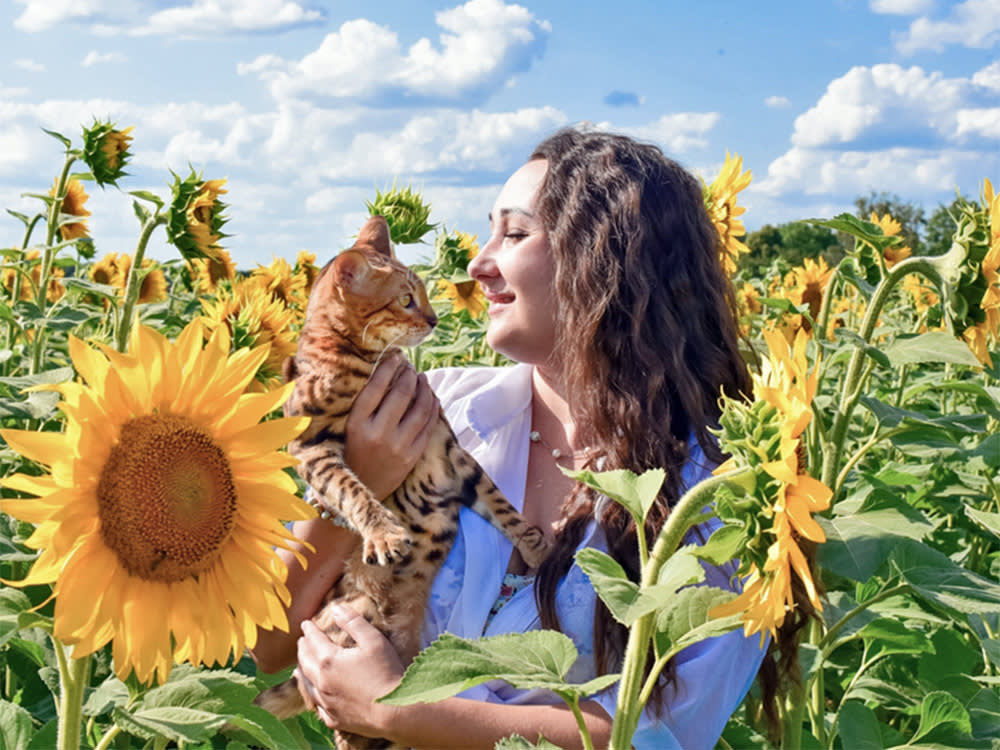
Sunflowers are about as cheerful as a plant gets, and the good news is just as bright: they are completely safe to keep around your cat. The ASPCA lists every part of the sunflower as non-toxic, so a curious sniff or even a nibble of a petal is a non-event. If you only came to find out whether the flower in your vase could hurt your cat, the answer is no, and you can stop reading reassured.
But settling the flower question leaves the part that actually trips cats up untouched, because the real sunflower risk to a cat has almost nothing to do with the bloom. It is about the seeds, and the way they usually show up in a house: salted, shelled or not, sitting in a snack bag a cat can get into. That is the conversation worth having.
The flower: genuinely a non-issue
Let’s close the books on the plant itself. All parts of a sunflower, the bright petals, the leaves, the stem, and even the seeds in their raw form, are non-toxic to cats. A cat who chews on garden sunflowers or bats at a bouquet is not being poisoned.
The only flower-related caveat is the one that applies to any plant: cats are obligate carnivores who digest plant matter poorly, so a cat who eats a lot of sunflower greenery may get a mild, passing stomach upset, some vomiting or loose stool that resolves on its own. That is the full extent of the flower’s danger. Keep the bloom out of reach if you would rather protect the arrangement or spare your cat the bellyache, but you are not preventing a toxicity.
The seeds: where the actual risk lives
Here is the substance most “are sunflowers safe for cats” articles skip entirely. Sunflower seeds are a different proposition from the flower, and they carry two real, specific hazards.
Salt toxicosis from packaged seeds. The sunflower seeds in your house are almost never plain. The snack-aisle versions are heavily salted, and salt is the problem. Cats are small, so the sodium load that a human shrugs off can tip a cat into salt toxicosis. The signs include vomiting, diarrhea, excessive thirst and urination, weakness, and muscle tremors, and in serious cases it can progress to seizures. This is not a theoretical worry, it is the most likely way a cat actually gets hurt by anything sunflower-related, and it comes straight from a flavored human snack rather than the plant.
Shell obstruction. The seed hull is hard, fibrous, and indigestible. Cats do not chew their food thoroughly, and their digestive tract is small, so a cat who swallows seeds in the shell can have those rough hulls irritate the gut or, if enough accumulate, form a blockage. An intestinal obstruction is a surgical emergency, not a stomachache. The shells, far more than the kernels, are the part to keep away from a cat completely.
On top of both, even the plain kernel is extremely high in fat. Too much fat can upset a cat’s stomach and, over time, contribute to weight gain or pancreatitis. Between the salt, the shells, and the fat, the honest verdict on sunflower seeds for cats is simple: there is no nutritional reason to offer them, and several reasons not to.
People assume the danger in a houseplant is the plant, so they relax once they hear sunflowers are non-toxic. But the cat in front of me with a problem usually got into a bag of salted seeds, not the flowerbed. With cats, I worry about the snack pack on the counter long before I worry about the bouquet on the table.
What to do if your cat gets into seeds
Match your response to what your cat ate. A cat who licked up a few plain kernels needs only watching, expect, at most, a little stomach upset. A cat who got into salted seeds is the one to act on: note roughly how much, and call your vet or a pet poison line rather than waiting for symptoms, because salt toxicosis is easier to manage early. If your cat ate a quantity of seeds in the shell, watch closely for repeated vomiting, straining, a hard or painful belly, or a cat who stops eating and hides, any of which warrants a same-day vet visit to rule out an obstruction.
For the flower itself, if your cat simply ate some petals or leaves, keep an eye out for short-lived vomiting or diarrhea and let it pass. Bring a sample or photo of anything you are unsure about to the vet, and if you ever suspect a genuinely toxic plant rather than a sunflower, the Pet Poison Helpline (855-764-7661) and the ASPCA Animal Poison Control Center (888-426-4435) are the numbers to have on hand.
Keep the safe things safe and the risky things away
The practical setup writes itself. Sunflowers in a vase or garden are fine, so site them wherever you like, with the usual nod to keeping a determined plant-chewer from stripping the leaves. The seeds are the thing to lock down: store salted snack seeds the way you would any human food you do not want a cat raiding, sealed and out of paw’s reach, and never offer seeds in the shell as a treat. If you ever want to share a single plain, unsalted, shelled kernel as a novelty, that is the safe version, but it is a curiosity, not a snack your cat needs.
The bigger lesson cats reward
Sunflowers make a useful reminder that “is this plant toxic” is only half the safety question for a cat. The other half is what form the thing takes in your home. A non-toxic flower can still arrive attached to a salty, shell-on seed that is genuinely risky. Knowing which cat-safe plants you can keep, roses, orchids, zinnias, asters, and African violets among them, and which to avoid, lilies above all, since they cause fatal kidney failure in cats, plus azaleas, tulips, daffodils, and mums, is worth far more than memorizing a single flower’s status.
The bottom line
The sunflower is one of the easy ones: non-toxic in every part, safe to keep around your cat, with nothing worse than a mild stomachache if your cat overdoes the greenery. The seeds are where the real care goes. Salted snack seeds can cause salt toxicosis in a small cat, and the hard shells can block a feline gut, so keep seeds, especially shelled-on and salted ones, out of reach entirely. Enjoy the flowers, mind the snack bag, and your cheerful, cat-safe combo stays exactly that.
References
- ASPCA. “Toxic and Non-Toxic Plants: Common Sunflower (Helianthus annuus).” https://www.aspca.org/pet-care/animal-poison-control/toxic-and-non-toxic-plants
- Pet Poison Helpline. “Salt Toxicity in Dogs and Cats.” https://www.petpoisonhelpline.com/poison/salt/
- PetMD. “Can Dogs Eat Sunflower Seeds?” https://www.petmd.com/dog/nutrition/can-dogs-eat-sunflower-seeds
- Preventive Vet. “Safe and Unsafe Nuts and Seeds for Pets.” https://www.preventivevet.com/pets/safe-and-unsafe-nuts-and-seeds-for-pets
- ASPCA Animal Poison Control Center. https://www.aspca.org/pet-care/animal-poison-control
Common questions
Can cats eat sunflower seeds?
In tiny amounts, plain, the kernel is safe but offers a cat no real benefit and is very high in fat. The problems come from how seeds usually arrive: salted snack-pack seeds can cause salt toxicosis, and the hard, fibrous shells can lodge in or block a cat's digestive tract. There is no good reason to feed them.
What happens if my cat eats salted sunflower seeds?
Watch for salt toxicosis. Excess sodium can cause vomiting, diarrhea, excessive thirst and urination, weakness, tremors, and in serious cases seizures. A cat is small, so it does not take much salt to matter. If your cat ate a quantity of salted seeds, call your vet or a pet poison line rather than waiting.
Are sunflower seed shells dangerous to cats?
They can be. The rough, indigestible shells can irritate the gut and, because cats do not chew thoroughly and have small intestines, a wad of shells can cause a blockage that may need surgery. The shells are the part to keep away from your cat entirely.
Not a substitute for your vet. Our guidance is educational. For urgent symptoms, contact a vet or emergency clinic right away. Editorial standards
Dr. Kohl is a board-certified veterinary dentist with a particular interest in preventive oral care. She reviews all dental health content at The Pet Times and contributes practical guides on home dental routines, professional cleaning, and oral disease prevention.
Meet our experts ↗Keep reading
 Health & WellnessPothos and Cats: The Burn Is Instant, Which Is Why It Rarely Turns SeriousDr. Nina Kohl · 7 min
 Health & WellnessFoxtails Aren't Just a Dog Problem. For Cats They Can Be Deadly.Dr. Amara Solis · 5 min
 Health & WellnessA Cat Turned On a Stove and Started a Deadly Fire. How to Prevent ItDr. Amara Solis · 4 min
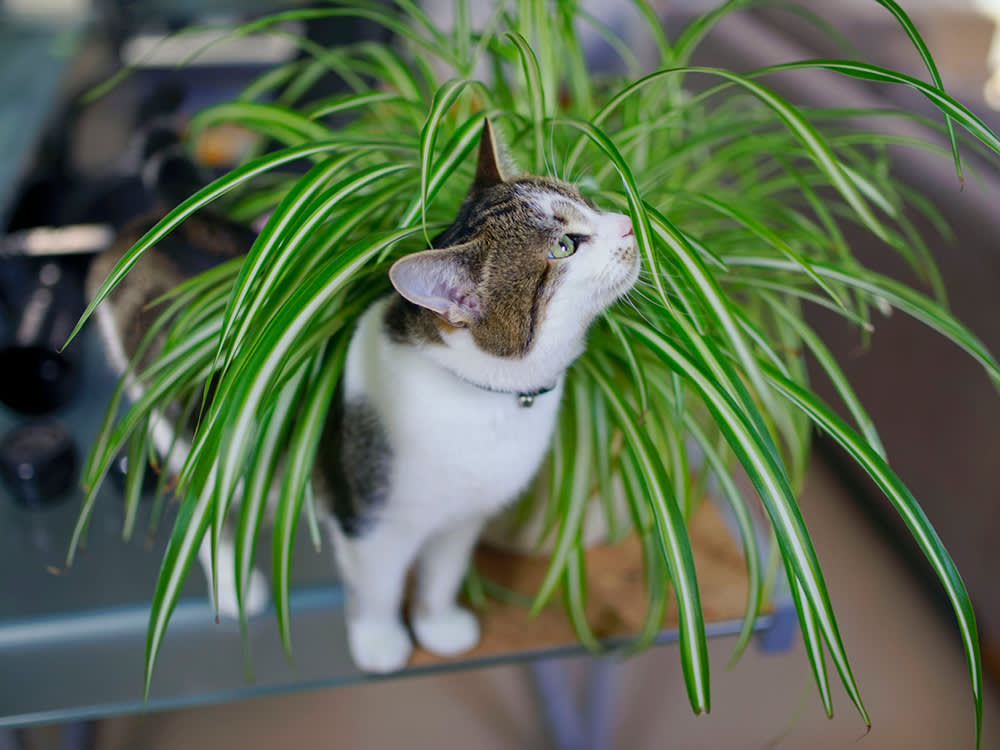 Health & WellnessThe Spider Plant Gets a Pass. The Watering Can Is the ProblemDr. Lena Park · 6 min
 Health & Wellness"Keep Cats Indoors" Is Only Half the Bird Flu Advice. The Other Half Is the BowlDr. Nina Kohl · 4 min
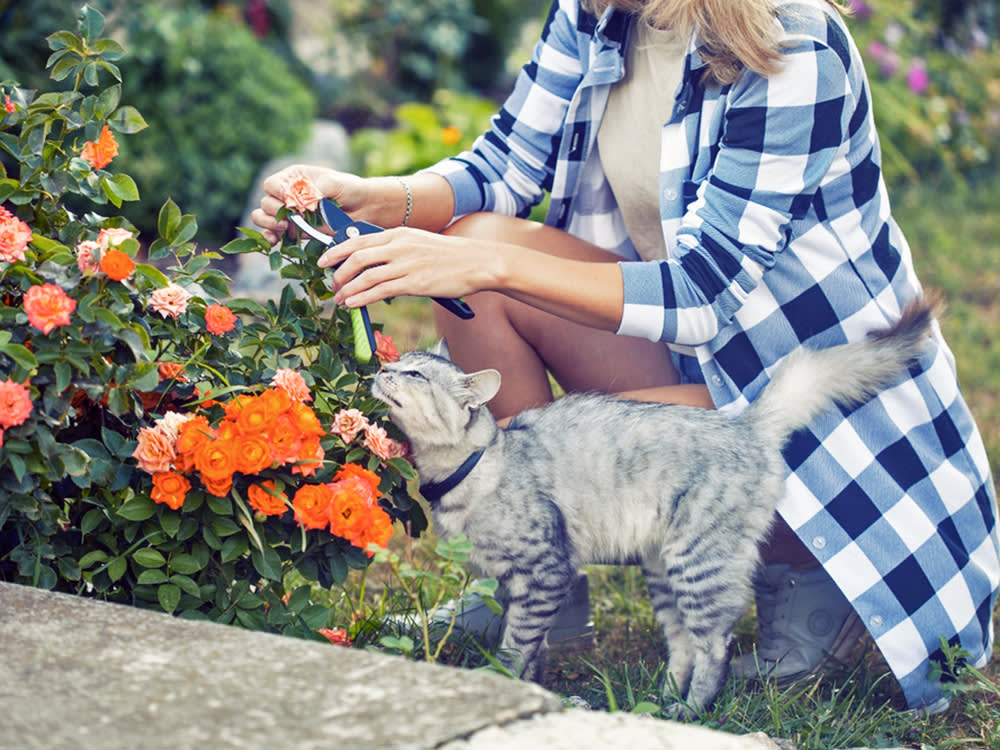 Health & WellnessOne Common Bouquet Flower Can Put a Cat in Kidney Failure. Here's the Full List.Dr. Amara Solis · 8 min