


"Keep Cats Indoors" Is Only Half the Bird Flu Advice. The Other Half Is the Bowl
Vets are urging cat owners to keep pets inside as H5N1 spreads. But the outbreak's own case record shows the food dish, not the backyard, has been the deadliest exposure.

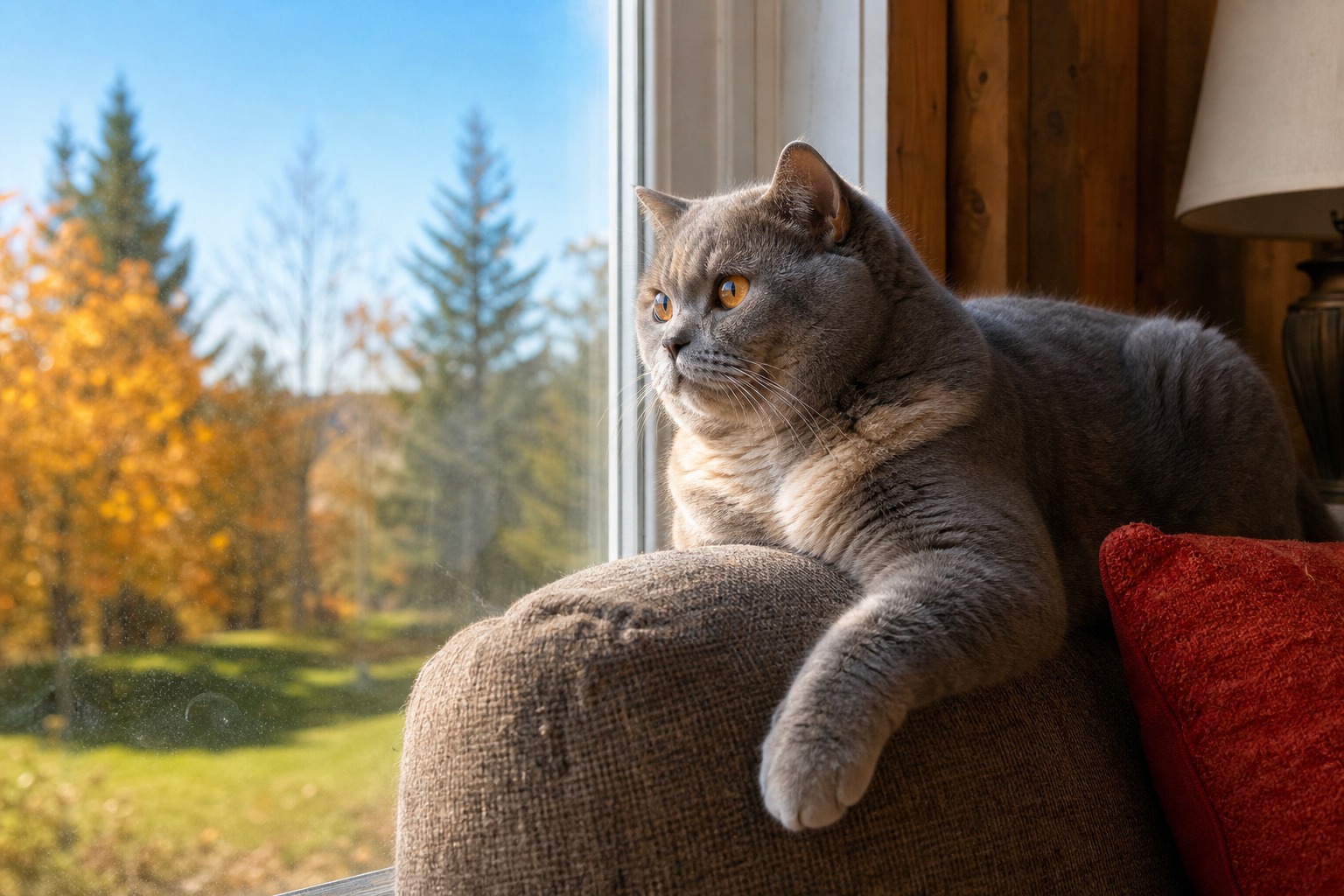
The headline advice as bird flu spread was simple and correct: keep your cats indoors. Veterinarians said it, public health officials repeated it, and it is good guidance. But taken alone it can mislead, because it points owners at the wrong door. The case record of this outbreak shows that the most lethal exposures did not come from the backyard at all. They came from the food bowl. If you only lock the cat flap and keep feeding raw, you have secured the smaller risk and left the bigger one wide open.
Rank the routes, because they are not equal
Not every path to infection carries the same odds, and the outbreak’s own numbers make the ranking clear.
The food bowl has been the deadliest route. In the Los Angeles County cluster, the health department reported at least seven infections in pet cats, and five were confirmed linked to raw milk. Two of those cats died. A separate case traced to a recall of a raw pet food brand that tested positive for H5N1, with four more cats in the same household presumed infected after eating the same product. These were not adventurous outdoor hunters. Several were house cats poisoned by what their owners served them.
Hunting and wildlife contact is a real but secondary route. Cats are efficient predators, and eating or even mouthing a dead infected bird can transmit the virus. This is the risk the “keep them inside” message targets, and it is genuine. It is simply not where most of the confirmed deaths came from.
People hear ‘bird flu’ and picture a cat catching a wild bird, so they keep the cat in and consider the job done. Then they scoop raw food into the bowl twice a day. When one contaminated batch can take down most of the cats in a household, the priority is obvious. Cooking and pasteurization kill this virus. Raw does not. Fix the bowl first, then close the door.
Indirect, tracked-in exposure is the rarest but explains the puzzling cases. Two strictly indoor cats in Colorado caught H5N1 with no clear source. The leading theories were an infected mouse that got inside, an asymptomatic human, or secretions carried in on shoes or clothing. Rare, but the reason “indoor” is not the same as “immune.”
Why raw became the through-line
The pattern held everywhere the virus turned up in cats. Since the outbreak began in March 2024, dozens of cats contracted H5N1, according to the American Veterinary Medical Association. In Texas, cats given milk from infected dairy cows fell ill and several died. After a raw cat food recall, a cat in Oregon died from the virus. Officials believe more cases went uncounted; the LA health department noted multiple probable and suspected feline cases tied to raw food or raw milk where the cat could not be tested.
The common denominator is uncooked animal product. Heat is the whole defense. Cooking meat and pasteurizing milk destroy the virus; raw preparation preserves it, which is why a single contaminated production lot can sicken an entire household of cats at once.
The full protocol, in priority order
Put the advice in the order the evidence supports:
- Stop feeding raw meat, raw poultry, and raw milk. This addresses the deadliest documented route. If you have been feeding raw, treat this as the urgent change and talk to your vet about a cooked or commercially processed alternative.
- Keep cats indoors to eliminate contact with wild birds and other wildlife. This closes the secondary route.
- Reduce tracked-in exposure where an outbreak is active: wipe down shoes, wash hands after handling birds or poultry, and keep cats away from areas where wild birds gather.
Know the warning signs, too. Symptoms in cats include fever, loss of appetite, tremors, seizures, coughing, and a range of neurologic and respiratory signs, per the AVMA. Any of these, especially the neurologic ones, mean immediate veterinary care. Protect yourself as well by avoiding direct contact with a sick cat, washing hands often, and consuming only cooked meat and pasteurized milk.
What the following months confirmed
Through 2025, raw pet food kept driving feline cases, and the response hardened around exactly this point. The FDA confirmed H5N1 contamination in specific commercial raw cat food products and required cat and dog food makers using uncooked poultry or cattle material to address the virus in their food safety plans, with further recalls following. Reported mortality in infected cats ran high, in some clusters around half or more of affected animals died or were euthanized. None of that changed the core instruction. It just moved the food bowl even further up the list.
References
- CIDRAP, University of Minnesota. “H5N1 confirmed in more cats; probe of raw pet food widens.” https://www.cidrap.umn.edu/avian-influenza-bird-flu/h5n1-confirmed-more-cats-probe-raw-pet-food-widens
- AVMA. “Avian influenza (H5N1) in cats.” https://www.avma.org/resources-tools/animal-health-and-welfare/animal-health/avian-influenza/avian-influenza-h5n1-cats
- FDA. “Cat and Dog Food Manufacturers Required to Consider H5N1 in Food Safety Plans.” https://www.fda.gov/animal-veterinary/cvm-updates/cat-and-dog-food-manufacturers-required-consider-h5n1-food-safety-plans
- CDC. “Raw Milk.” https://www.cdc.gov/food-safety/foods/raw-milk.html
Not a substitute for your vet. Our guidance is educational. For urgent symptoms, contact a vet or emergency clinic right away. Editorial standards
Dr. Kohl is a board-certified veterinary dentist with a particular interest in preventive oral care. She reviews all dental health content at The Pet Times and contributes practical guides on home dental routines, professional cleaning, and oral disease prevention.
Meet our experts ↗Keep reading
 Health & WellnessYour Essential Oil Diffuser Could Be Poisoning Your Cat. Here's the Part Nobody Tells You.Dr. Amara Solis · 6 min
 Health & WellnessYour Cat Isn't Being Weird. Plastic Bags Smell Like Food.Dr. Mara Chen · 7 min
 Health & WellnessRingworm Isn't a Worm. It's a Fungus That Can Jump to You.Dr. Priya Nair · 6 min
 Health & WellnessThe Monarch Bird Flu Cases Were Not a Fluke. They Were a PatternDr. Ravi Mehta · 5 min
 Health & WellnessYour Indoor Cat's Food Bowl Is the Bird Flu Risk Nobody Warned You AboutDr. Mara Chen · 6 min
 Health & WellnessThe Word 'Kennel Cough' Is Why Cat Owners Miss ItDr. Lena Park · 6 min