


The Monarch Bird Flu Cases Were Not a Fluke. They Were a Pattern
Five California cats infected with H5N1 from raw food were not an isolated scare. They were one node in a wave of raw-food bird flu cases that pushed the FDA to act. Here is the pattern and how to keep your cat out of it.

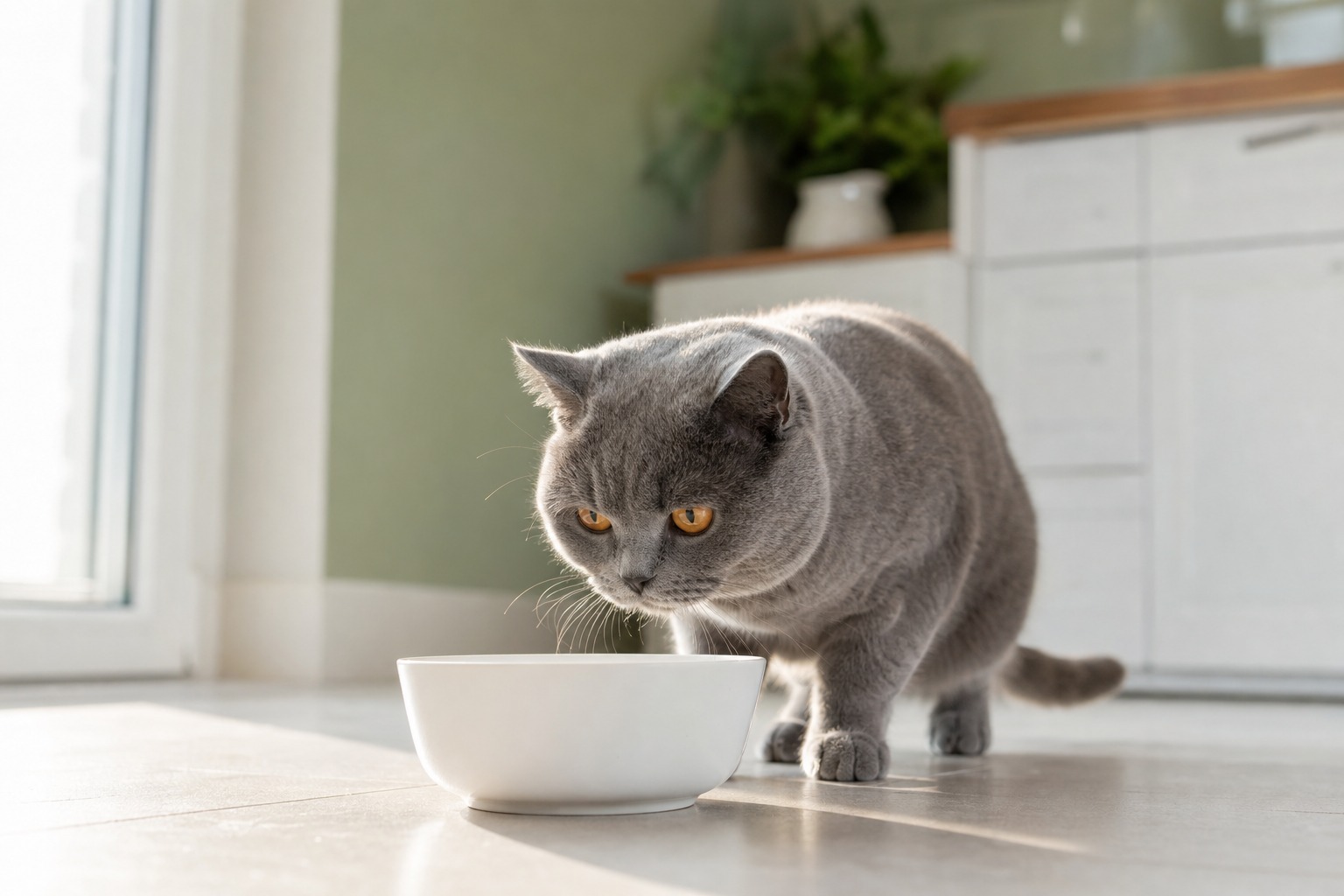
When five cats in one Los Angeles household were reportedly infected with H5N1 bird flu after eating Monarch Raw Pet Food, the easy reaction was to treat it as a freak event: an obscure farmers’-market brand, a single unlucky home. It was not. The Monarch cases were one node in a steady run of raw-food-linked bird flu infections in cats, a pattern serious enough that federal regulators changed the rules for how raw pet food is made. Understanding the pattern is what actually protects your cat, so let’s start there and come back to the Monarch specifics.
The pattern: raw poultry is the common thread
In the span of a few months, the same story repeated with different brand names. An indoor-only Oregon cat died of H5N1 that genetic sequencing tied exactly to Northwest Naturals raw frozen turkey food, prompting a recall. The five Monarch cases in Los Angeles followed. Then the FDA flagged H5N1 in certain lots of RAWR raw chicken cat food after a San Francisco cat fell ill. Different companies, same mechanism: raw or undercooked poultry carrying a live virus straight into a cat’s body.
The detail that should reset how people think about this is the Oregon cat. It never went outside. It was not exposed to a wild bird or a contaminated environment. The only route in was its food. That single case dismantles the common assumption that an indoor cat is automatically safe from bird flu, and it explains why so many of these infections trace back to the bowl rather than the backyard.
Why cats are uniquely vulnerable
Cats are not just incidental victims here; they are unusually susceptible to H5N1, and the illness in cats is often severe, with respiratory and neurological signs and a high fatality rate once symptoms set in. Cooking destroys the virus, which is exactly why conventional canned and kibble cat foods have not been implicated. The risk concentrates in raw poultry products precisely because nothing in the process kills the pathogen before it reaches your cat.
The regulatory response: the FDA changed the rules
This is the development that the original wave of news coverage could not capture, and it is the most consequential. After the cluster of raw-food infections, the FDA determined that manufacturers of cat and dog food using uncooked or unpasteurized poultry or cattle materials must reanalyze their food-safety plans to treat H5N1 as a “known or reasonably foreseeable hazard.” In plain terms: raw pet food companies are now formally on the hook to account for bird flu in how they source and process ingredients. That is a structural shift, not a one-off recall, and it is a direct result of cases like the five Monarch cats.
What was actually known about the Monarch cases
For the record, here is what public-health officials reported. One house cat that ate Monarch Raw Pet Food tested positive for H5 (H5N1), and four other cats in the same Los Angeles home were believed to be infected. The Los Angeles County Department of Public Health urged anyone who fed their cats this food, or other raw meat or dairy, to call their veterinarian if their pet showed symptoms. At the time of the report, the food had not been recalled but remained under investigation, and there were no human H5N1 cases connected to the cats’ exposure.
Monarch was sold only at a handful of Southern California farmers’ markets, in Laguna Niguel, Orange, San Jacinto, and Fountain Valley, plus private pickup locations in Corona, Fountain Valley, Beaumont, and Palm Springs. Per the company, the food was raw-ground chicken made of muscle, organ, skin, fat, and bone from what it described as human-grade USDA free-range poultry raised in the San Joaquin Valley. Raw poultry is exactly the category at issue.
How to keep your cat out of the pattern
The practical takeaways are simple and they apply well beyond any single brand.
- The reliable way to remove this specific risk is to avoid feeding raw or freeze-dried raw poultry products to cats during the ongoing H5N1 outbreak. Cooked commercial diets are not implicated.
- If you feed raw and choose to continue, check the FDA’s recall and safety-alert listings regularly, since affected lots are identified by lot number and “best by” date.
- Know the warning signs in cats: loss of appetite, lethargy, and respiratory or neurological symptoms. If your cat shows these and has eaten raw poultry food, call your vet immediately and mention the food.
- Handle raw pet food as a human exposure risk too. Wash hands, bowls, and surfaces thoroughly, because H5N1 can pass to people who handle contaminated product.
The symptoms public-health officials flagged for people exposed to sick animals include eye redness or discharge, cough, sore throat, runny or stuffy nose, diarrhea, vomiting, body aches, headache, fatigue, trouble breathing, and fever. As of the reporting period, no human cases were linked to these cats, and the FDA has said it is not aware of any human H5N1 infections contracted through contaminated pet food. Still, the precautions are worth taking.
The lesson cat owners should take from the Monarch cases is not ‘avoid one brand,’ it is ‘understand the category.’ Raw poultry is the route this virus uses to reach cats. The single most protective thing you can do during this outbreak is keep raw bird off your cat’s menu and feed something that has been cooked.
What to look out for
If you believe your cat has been exposed to H5N1, contact your vet right away. Public-health officials list these symptoms in cats as cause for concern:
- Loss of appetite
- Lethargy and weakness
- Respiratory and/or neurological signs
H5N1 in cats can progress quickly, so do not wait for the picture to clarify on its own. Early veterinary care gives a sick cat its best odds.
References
- “FDA Notifies Pet Owners That Tests Show H5N1 Contamination in Certain Lots of RAWR Raw Cat Food Chicken Eats,” U.S. Food and Drug Administration.
- “Cat and Dog Food Manufacturers Required to Consider H5N1 in Food Safety Plans,” U.S. Food and Drug Administration.
- “H5N1 Confirmed in More Cats as Probe Into Raw Pet Food Widens,” CIDRAP, University of Minnesota.
- “Animal Health Alert: H5 Bird Flu Confirmed in Domestic Cat,” Los Angeles County Department of Public Health.
Not a substitute for your vet. Our guidance is educational. For urgent symptoms, contact a vet or emergency clinic right away. Editorial standards
Dr. Mehta is a board-certified veterinary nutritionist who evaluates pet food formulations, ingredient quality, and the science behind dietary trends. He writes and reviews all nutrition content at The Pet Times, including our food rankings and feeding guides.
Meet our experts ↗Keep reading
 Health & WellnessThe Bird Flu Blind Spot Isn't Your Cat. It's That Nobody's Watching CatsDr. Mara Chen · 5 min
 Health & WellnessLavender Won't Hurt Your Cat. The Essential Oil Will.Dr. Ravi Mehta · 7 min
 Health & WellnessCats Are America's Most Rabid Pet. The Indoor Ones Aren't Exempt.Dr. Ravi Mehta · 8 min
 Health & WellnessGarlic and Cats: The Toxin That Hides in Plain Sight on Your PlateDr. Amara Solis · 6 min
 Health & WellnessYour Litter Box Isn't the Threat. Your Cutting Board Is.Dr. Priya Nair · 7 min
 Health & Wellness"Keep Cats Indoors" Is Only Half the Bird Flu Advice. The Other Half Is the BowlDr. Nina Kohl · 4 min