


The 4 Stages of Kidney Disease in Cats, and What Each One Asks of You
Chronic kidney disease is common in older cats and is staged on a universal scale. A vet walks through each stage, the symptoms to watch, and how treatment changes.

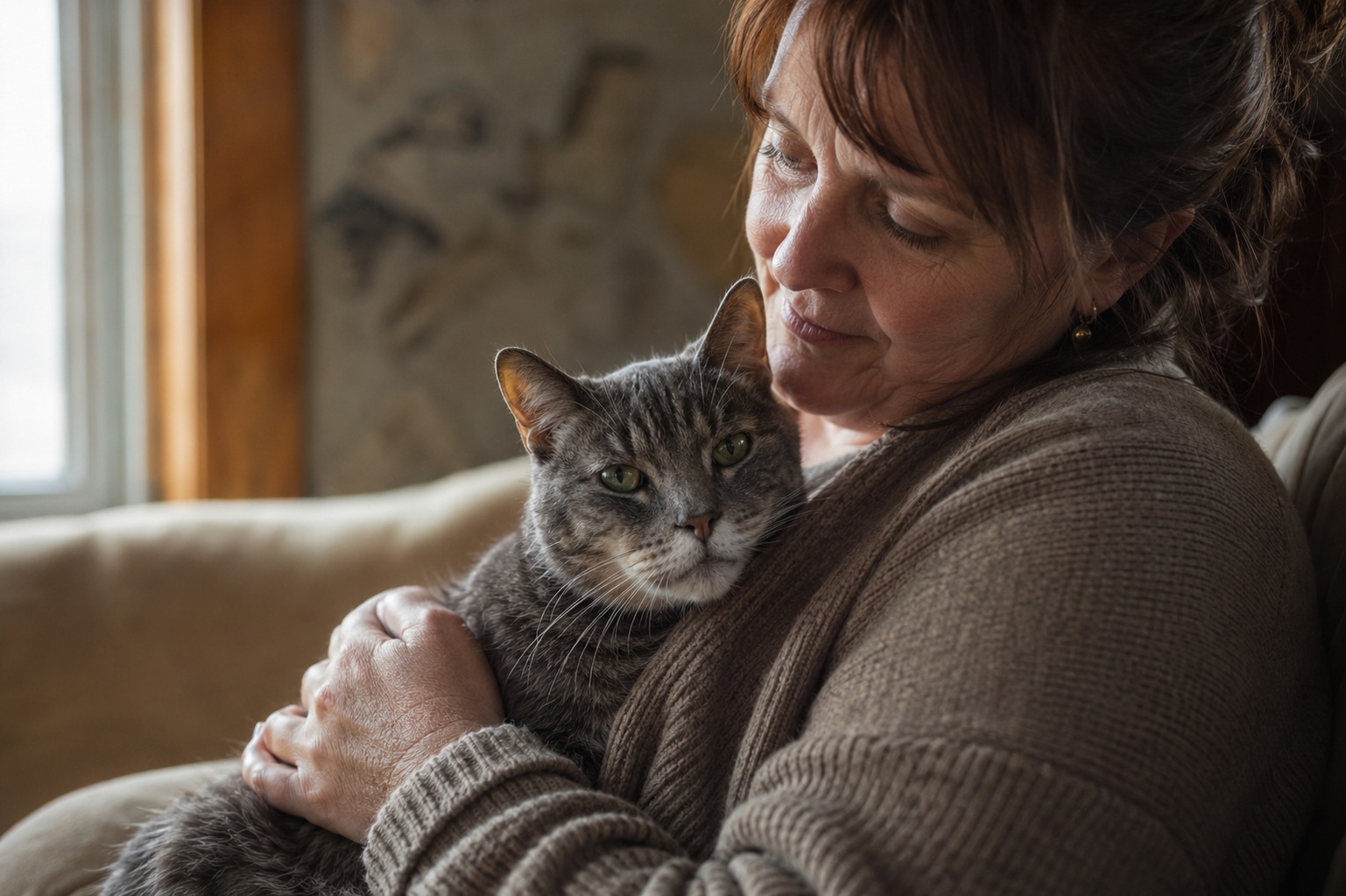
If your older cat has just been diagnosed with kidney disease, you are in very common company. Chronic kidney disease is one of the most frequent long-term illnesses in aging cats, and to describe how far along a given cat is, veterinarians rely on a single universal scale: the IRIS staging guidelines. Staging gives both you and your vet a shared language for talking about prognosis and for choosing treatments.
One thing to hold onto from the start: every cat is an individual. The stages describe a general path, but your cat may not follow it exactly, because many other factors shape how the disease unfolds. Here is how the staging system works and how vets manage the condition at each point.
What kidney disease actually is
Chronic kidney disease is a progressive loss of kidney function, and it shows up most often in cats over the age of five. It is different from acute kidney disease, where the kidneys are damaged suddenly by something like a toxin or an infection, and where full recovery is sometimes possible. In the chronic form, the kidneys gradually decline. Over time they filter toxins less effectively, struggle to keep fluid balance steady, and trigger a cascade of secondary changes.
There is no cure. How long a cat lives with the disease varies widely. Some cats stay in the early stages for years without progressing, while others decline faster. Crucially, most cats show no outward signs early on, and the only clue is a shift in their lab work. That is actually the good news. Catching those early changes lets you and your vet monitor closely, run the right follow-up tests, and build a treatment plan. Cats caught early can live many more years, and the condition is very manageable.
The four stages
Chronic kidney disease, sometimes called kidney failure, is divided into stages based on lab findings. The staging captures how advanced the disease is and helps guide both prognosis and treatment.
We lean heavily on two blood values, BUN and creatinine, plus what the urine is doing, to place a cat into a stage. It is not about a single number. It is the whole picture.
Stage one. The earliest stage. These cats usually have no symptoms at all and show only very mild lab changes. BUN and creatinine, the standard markers of kidney function, are typically still normal, but there may be other clues such as dilute urine or protein in the urine.
Stage two. Cats here are often still symptom-free or show only subtle signs like a bit more thirst or urination. Their BUN or creatinine is mildly elevated, alongside changes such as dilute urine.
Stage three. Now the bloodwork shifts more noticeably, with creatinine running at least twice the normal level. Stage three is often split into early and late based on additional lab findings and how pronounced the cat’s symptoms are.
Stage four. This is end-stage kidney disease. It is marked by creatinine more than three times the normal value, along with other abnormal lab results. Cats in stage four have more severe signs and tend to have shorter survival times.
Symptoms to watch for
Symptoms vary from cat to cat, largely depending on how far the disease has progressed. Many overlap with other common diseases of older cats, which is exactly why a vet visit matters: you need to pin down the cause. Early-stage cats often have no symptoms, while signs tend to worsen as the disease advances. The most common include:
- Decreased appetite. As the disease progresses, toxins build up and cause nausea, which dampens appetite.
- Increased urination. The kidneys lose the ability to reabsorb water, so urine becomes more dilute and the cat passes larger volumes.
- Increased thirst. With more water lost through urine, cats risk dehydration and drink more to compensate.
- Vomiting. Accumulating toxins cause nausea and vomiting.
- Lethargy. Advanced cases bring fatigue and weakness, driven by poor appetite, dehydration, weight loss, or anemia (reduced red blood cell production).
- Constipation. Dehydration and water loss through urine can make stool dry and hard to pass.
- Weight loss. Nausea and vomiting reduce appetite, and protein lost through the urine can shrink muscle mass.
- High blood pressure. Advanced cases may develop hypertension. It often has no obvious signs, but it can lead to sudden blindness, heart problems, or seizures.
How treatment changes by stage
Routine veterinary care is the foundation. For older cats, checkups every three to six months are the most important way to screen for kidney disease and decide on treatment. Plans are always tailored to the individual cat’s symptoms and lab results, but the general approach by stage looks like this:
Stage one. Screen further for common complications, such as high blood pressure, protein in the urine, or high phosphorus, and treat any that show up. Take steps to keep the cat well hydrated, using a water fountain, canned food, or extra water mixed into meals.
Stage two. Keep monitoring for high blood pressure, urinary protein, high phosphorus, and low potassium, treating as needed.
“This is the stage where I start talking with owners about a prescription kidney diet, which has slightly lower protein and phosphorus than standard adult food,” Dr. Solis says. “For some cats it slows progression. But you have to weigh that against quality of life and a cat’s pickiness. If a finicky cat refuses the kidney diet, I would rather they eat something consistently. Staying hydrated, holding their weight, and enjoying life matters more than the perfect food.”
Stage three. Cats here often have more symptoms that need supportive care. On top of the stage one and two measures, they may need extra help staying hydrated and eating. That can mean fluids given under the skin daily (subcutaneous fluids), plus medications to control nausea and stimulate appetite.
Stage four. These cats generally feel sicker than those in earlier stages. They may need more frequent screening for complications such as high blood pressure, high phosphorus, anemia, dehydration, and urinary tract infections, along with more supportive care for nausea, dehydration, and poor appetite.
“At stage four, comfort and eating are everything,” Dr. Solis says. “Offer whatever the cat will actually eat, and try a variety of foods. As these cats decline, families will eventually face quality-of-life and end-of-life decisions, and those are best made together, with your vet’s guidance, for that specific cat.”
The bottom line
Chronic kidney disease is common in older cats and cannot be cured, but it can very often be managed. Treatments aim to slow its progression and keep cats comfortable. Every cat’s course is its own. Many live for years in the early stages, while others move faster, which is why regular monitoring is the single most valuable thing you can do.
What newer research adds
Earlier detection continues to be the most meaningful advance in feline kidney care. A blood marker called SDMA, now included in many routine senior wellness panels, can flag declining kidney function earlier than creatinine alone, sometimes catching disease in stage one when there is the most opportunity to intervene. If your cat is a senior, it is worth asking your vet whether SDMA is part of their bloodwork.
Treatment options have also expanded. Research into managing the appetite loss and nausea that make these cats miserable has supported wider use of appetite stimulants and anti-nausea medications, and dietary phosphorus control remains a cornerstone of slowing progression. As always, any change to your cat’s diet or medications should go through your veterinarian.
References
- “IRIS Staging of CKD.” International Renal Interest Society, 2023. https://www.iris-kidney.com/iris-guidelines-1.html
- Sparkes, A., et al. “ISFM Consensus Guidelines on the Diagnosis and Management of Feline Chronic Kidney Disease.” Journal of Feline Medicine and Surgery, vol. 18, no. 3, March 2016, pp. 219-239.
- Marino, C., et al. “Prevalence and classification of chronic kidney disease in cats randomly selected from four age groups and in cats recruited for degenerative joint disease studies.” Journal of Feline Medicine and Surgery, vol. 16, no. 6, Nov. 2013, pp. 465-472.
- Schauf, S., et al. “Clinical progression of cats with early-stage chronic kidney disease fed diets with varying protein and phosphorus contents and calcium to phosphorus ratios.” Journal of Veterinary Internal Medicine, vol. 35, no. 6, Sept. 2021, pp. 2797-2811.
Not a substitute for your vet. Our guidance is educational. For urgent symptoms, contact a vet or emergency clinic right away. Editorial standards
Dr. Solis is a board-certified veterinary dermatologist with over twelve years of clinical experience. She advises on skin conditions, allergies, and grooming practices that affect coat and skin health. All dermatology and allergy content at The Pet Times is reviewed by her team before publication.
Meet our experts ↗Keep reading
 Health & Wellness'Is My Cat Depressed?' Is the Wrong First QuestionDr. Lena Park · 9 min
 Health & WellnessYellow Cat Vomit Usually Means an Empty Stomach. Sometimes It Means More.Dr. Mara Chen · 7 min
 Health & WellnessYour Cat Is Scooting: Is It Really the Anal Glands?Dr. Mara Chen · 13 min
 Health & WellnessIf You Can Smell Your Cat's Fart, Your Cat Is Telling You SomethingDr. Amara Solis · 6 min
 Health & WellnessWhy Does My Cat Snore? When It's Adorable and When to Call the VetTom Hadley · 7 min
 Health & WellnessIf Your Kitten Hasn't Pooped in 48 Hours, Treat It as an EmergencyDr. Lena Park · 6 min