


If You Can Smell Your Cat's Fart, Your Cat Is Telling You Something
Cats fart quietly and rarely, so the ones you actually notice are the ones worth reading. A stinky, audible, or frequent fart is less an embarrassment than a clue about your cat's diet and gut.

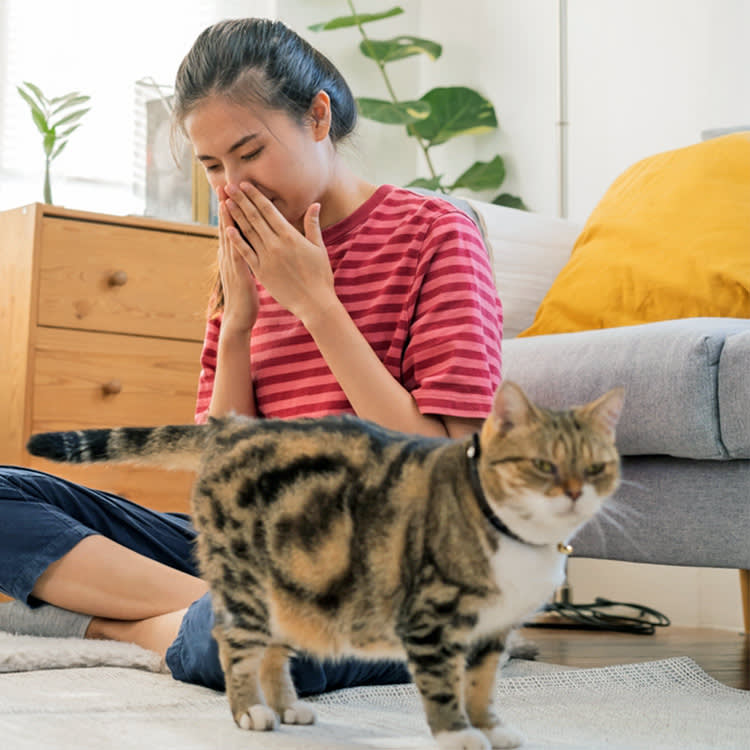
Sit next to your cat, catch a sudden and deeply unfair smell, and you may find yourself asking the question no one prints on the adoption paperwork: did my cat just do that? They did. Cats fart. The twist is that a healthy cat’s gas is supposed to be a non-event, quiet and basically odorless, which means the farts you actually notice are the interesting ones. They aren’t an embarrassment so much as a small readout of what’s happening in your cat’s gut.
A fart is nothing exotic, just a buildup of gas in the digestive tract that needs to go somewhere. People do it, dogs do it enthusiastically, and cats do it too, only softly and without much fanfare. So the rule of thumb flips from what you’d expect: with cats, it’s not the fart that’s the signal, it’s the noticeable fart. If you can hear it or smell it, and especially if that’s becoming a regular thing, your cat’s digestion is worth a closer look.
With cats, odor is information. A cat’s gut, fed well, produces gas you’d never detect. So when an owner tells me they’re suddenly noticing it, I’m not thinking ‘gross,’ I’m thinking ‘what’s fermenting,’ and the answer is usually sitting in the food bowl.
When gas is nothing, and when it isn’t
An occasional fart is normal and needs no action. The line to watch for is gas that arrives with company. On its own, a stray toot is fine. Paired with any of the following, it’s worth a vet conversation: frequent passing of gas, a bloated or tender belly, loud gurgling from the stomach, a shrinking appetite, discomfort when you touch the abdomen, frequent burping, or diarrhea and constipation. Persistent gas plus any of those adds up to a reason to book a visit.
What’s actually making your cat gassy
Several things drive feline flatulence, and most of them run through the diet.
Food is the usual culprit. Cats are obligate carnivores, built to run on meat, yet plenty of commercial foods lean on fillers instead of the high-quality protein cats actually need. Ingredients that are hard for a cat to digest, dairy, beans, and various plant matter, ferment in the intestines and produce gas. A cat’s ideal plate is high in quality protein, moderate in fat, and low in carbohydrates, and a lot of diets simply miss that mark.
Primary gut conditions matter too. Cats get their own versions of irritable bowel syndrome, inflammatory bowel disease, and bacterial imbalances in the gut, and all of them can crank up gas production. These usually travel with other signs like diarrhea, vomiting, or weight loss.
Food allergies are a common hidden driver. When a cat reacts to a protein in their food, often beef, dairy, fish, or chicken, the immune response inflames the intestines. Inflamed intestines struggle to break down and absorb nutrients, so undigested food ferments and generates excess gas, a process that worsens when food moves too slowly through the system. Other clues to a food allergy include soft stool or diarrhea, vomiting, itching around the face and ears, hair loss or skin irritation, and a poor coat. An elimination diet, feeding a single novel protein for several weeks and then reintroducing ingredients one at a time, is how vets pin down the trigger.
Fast eating does the same thing to cats it does to us: gulping means swallowing air, which means bloating and gas. Multi-cat households see this a lot, since cats racing each other at the bowl inhale their meals.
Stress can upset feline digestion directly. A stressed cat may over-groom, eat too fast, or develop an unsettled stomach, any of which can raise gas.
Parasites round out the list. Worms and giardia irritate the GI tract and can drive up flatulence, so persistent gas with diarrhea, bloating, and weight loss is a reason to have your vet run a fecal test.
Are some cats built to be gassier?
Any cat can go through a gassy stretch, but a few are more prone. Flat-faced breeds like Persians and Exotic Shorthairs have skull structures that make them gulp more air while eating, which can translate to more gas. Breeds known for sensitive stomachs, such as the Siamese, may run into more digestive trouble in general.
Age plays a role at both ends. Kittens transitioning to solid food can go through a temporary gassy phase as their digestion adapts. Seniors may get gassier too, thanks to declining digestive-enzyme production or age-related conditions like kidney disease, hyperthyroidism, or diabetes, which is one more reason regular senior bloodwork earns its keep.
How to clear the air
If your cat seems uncomfortable or the gas has become a fixture, work through the fixable causes first.
Upgrade the diet to a balanced, high-quality, high-protein food with limited fillers, and consider a novel-protein option if you suspect a sensitivity. Slow the eating with puzzle feeders, slow-feed bowls, or smaller and more frequent meals so less air goes down with the food. Lower the household stress with reliable enrichment, a good scratching post, safe hiding spots, and daily interactive play all help. Stay on top of parasite prevention with routine vet exams and fecal checks, and ask how often your particular cat should be dewormed.
If you’ve adjusted the diet and lifestyle and the gas persists, that’s your cue to involve a vet. Because feline flatulence is rare enough to be noteworthy, a cat who’s suddenly, reliably gassy deserves a workup to rule out allergies, parasites, or an underlying medical problem rather than a shrug.
What newer research adds
The through-line in recent feline nutrition work is the gut microbiome, and it reframes cat gas as less of a punchline and more of a barometer. Studies increasingly link a cat’s balance of gut bacteria to how well they digest food, how much gas they produce, and their broader health, which is why “what’s fermenting” has become a more precise question than it used to be. Practically, that supports what a good vet already tells you: feed real protein, go easy on fillers and rich extras, transition foods slowly, and treat a genuinely stinky, persistent fart as a signal to investigate the gut rather than a smell to wave away.
References
- Ellis, Sarah L. H. “Environmental Enrichment: Practical Strategies for Improving Feline Welfare.” Journal of Feline Medicine and Surgery, vol. 11, no. 11, Nov. 2009, pp. 901–912, https://doi.org/10.1016/j.jfms.2009.09.011.
- Deng, Ping, and Kelly S. Swanson. “Gut Microbiota of Humans, Dogs and Cats: Current Knowledge and Future Opportunities and Challenges.” British Journal of Nutrition, vol. 113, no. S1, 2015, pp. S6–S17, https://doi.org/10.1017/S0007114514002943.
- Wernimont, Susan M., et al. “The Effects of Nutrition on the Gastrointestinal Microbiome of Cats and Dogs.” Frontiers in Microbiology, vol. 11, 2020, https://doi.org/10.3389/fmicb.2020.01266.
Common questions
Why do my cat's farts smell so bad?
Strong odor usually points to something fermenting in the gut that shouldn't be, often a food the cat struggles to digest, a low-quality diet heavy on fillers, or a food allergy. Persistent bad-smelling gas, especially with loose stool, is a reason to talk to your vet.
How can I reduce my cat's gas?
Feed a high-quality, high-protein diet with minimal fillers, slow down fast eaters with a puzzle or slow feeder, keep stress low, and stay current on parasite prevention. If gas continues despite all that, see your vet to rule out allergies or an underlying condition.
When should I worry about a gassy cat?
Worry when gas comes with other signs: bloating, belly discomfort, diarrhea or constipation, vomiting, lethargy, or a fading appetite. That combination can signal a GI infection, a food allergy, or organ trouble, and warrants a vet visit rather than a wait.
Not a substitute for your vet. Our guidance is educational. For urgent symptoms, contact a vet or emergency clinic right away. Editorial standards
Dr. Solis is a board-certified veterinary dermatologist with over twelve years of clinical experience. She advises on skin conditions, allergies, and grooming practices that affect coat and skin health. All dermatology and allergy content at The Pet Times is reviewed by her team before publication.
Meet our experts ↗Keep reading
 FoodYour Senior Cat Isn't Picky. The Food Is the Wrong Temperature.Dr. Mara Chen · 7 min
 Health & WellnessYour Cat Just Burped. That Tiny 'Urp' Is Worth Paying Attention ToDr. Ravi Mehta · 6 min
 Health & WellnessWet Food Rarely Gives a Cat Diarrhea. The Way You Switched It Usually DoesDr. Mara Chen · 9 min
 FoodYour Vet Prescribed a $140 Bag of Food. Will Insurance Touch It?Sara Lim · 7 min
 Food'Freeze-Dried' Tells You Nothing About Your Cat's Food. Two Labels Do.Dr. Priya Nair · 8 min
 FoodYour Cat Isn't a Picky Diva. It's a Supertaster Built for MeatDr. Mara Chen · 5 min