


Your Cat Just Burped. That Tiny 'Urp' Is Worth Paying Attention To
Cats can burp, they just rarely do, and that rarity is the whole point. A once-in-a-blue-moon burp is nothing. A regular one is your cat telling you something about how they eat or how their gut is working.

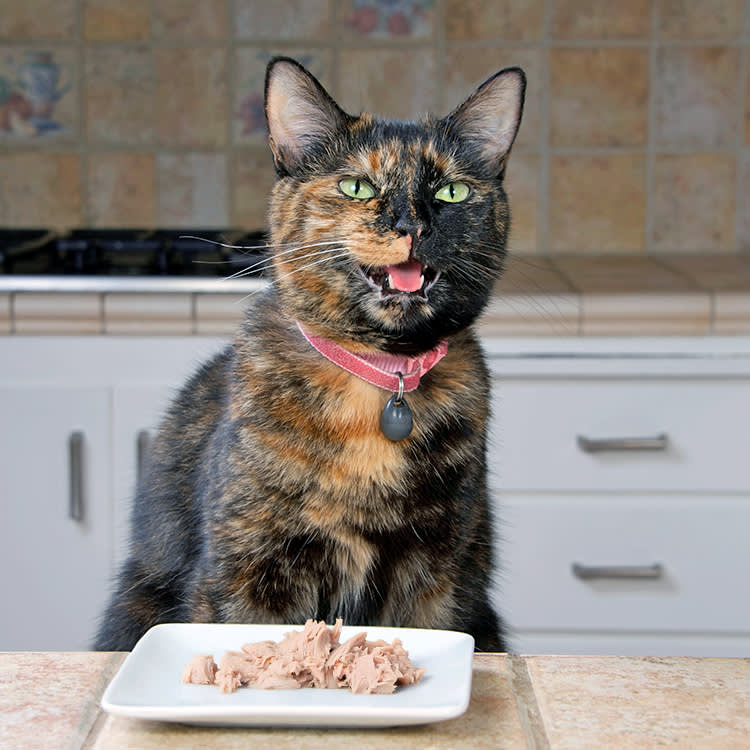
Cats make a startling range of noises, from chirps at the window to the full-body drama of a hairball. A burp is not usually on the list, which is exactly why hearing one can stop you mid-scroll. Yes, cats can burp. They just do it far less often than we do, and that rarity is the most useful thing about it. A burp your cat lets out once in a great while means very little. A burp you’re hearing regularly is closer to a message.
The mechanics are unremarkable: a burp is simply air escaping upward from the stomach through the esophagus. The reason cats don’t do it much is that they swallow relatively little air when they eat, especially compared with dogs. So when the air does build up enough to come back out, it’s often a sign that something nudged the usual balance, a gulped meal, a new food, or a gut that isn’t moving things along the way it should.
A single burp isn’t a diagnosis, it’s a data point. What I actually want to know is the pattern. Once a month after a fast dinner tells me nothing. After every meal, or paired with drooling or lip-licking, tells me to start looking at the esophagus and stomach.
What a cat burp even sounds like
If you’ve never caught one, it’s easy to miss or mistake for something else. A cat burp tends to be a soft “urp,” a brief throat sound, or an abrupt little release of air shortly after eating or drinking. It’s quiet and quick. Which is part of why frequency matters so much: if you’re clearly hearing it, and hearing it often, that’s already unusual for a species built to do this quietly and seldom.
The everyday reasons cats burp
Most burps trace back to ordinary, fixable causes.
The big one is eating or drinking too fast. Just like a person who inhales lunch, a cat who gulps swallows extra air, and some of it comes back up. Speed-eating shows up most in food-motivated cats, cats who feel rushed by housemates competing at the bowl, kittens still figuring out solid food, and any cat recently switched to a tastier diet worth racing for. These burps are usually harmless, but the fast eating behind them isn’t ideal, since it can also lead to vomiting or bloating.
A burp right after a meal often points to swallowed air, mild indigestion, or food sitting high in the stomach, sometimes because it’s rich or fatty. Cats with sensitive stomachs, inflammatory bowel disease, or acid reflux may burp more than others because their stomachs aren’t emptying smoothly or the lining is irritated.
A recent diet change is a classic trigger. If your cat’s gut isn’t used to a new protein, fat level, or fiber content, the response can be gas, burping, and loose stool, especially when you swap between dry and wet food or introduce something richer. This is the case for the ten-day rule: transition foods gradually, mixing more of the new in and less of the old out over a week to ten days, and the digestive drama usually settles.
Congestion is the one people forget. A cat with an upper respiratory infection, allergies, or a stuffy nose may breathe partly through the mouth and swallow air along the way, which can pool in the stomach and surface as an occasional burp. If your cat starts burping and also sounds snuffly, sneezes, or has runny eyes, the two may be linked.
When burping is a red flag
Some burping earns a vet visit. Gut conditions that can drive it include acid reflux (GERD), gastritis, inflammatory bowel disease, food intolerances and allergies, a hiatal hernia (where part of the stomach pushes upward), and bacterial imbalances that produce excess stomach gas. What separates these from a harmless post-dinner “urp” is the company they keep.
Call your vet if the burping is new and regular, or if it comes alongside any of these: vomiting or regurgitation, drooling, repeated lip-licking, decreased appetite, weight loss, coughing or gulping, signs of pain, or if it follows your cat eating something unusual or a foreign object. Burping after every meal is worth investigating even if your cat seems otherwise fine.
What to try before the vet
If the burping is mild and your cat is otherwise bright, a few adjustments at home often solve it.
Slow the eating down. Puzzle feeders, slow-feed bowls, and smaller, more frequent meals are the most effective ways to cut the air-gulping that causes most burps. Revisit any recent food change; if you switched too quickly, go back to the old food and transition again, gradually this time. Skip table scraps and greasy treats, which reliably upset feline digestion. Watch for congestion, and treat a stuffy nose if you can, since clearing it may clear the burping too. And keep a simple record of how often it happens, because “once this week” and “after every meal” are two very different stories to tell your vet.
If home tweaks don’t help, or the warning signs above show up, your vet may run diagnostics like X-rays, bloodwork, an abdominal ultrasound, or a dietary trial to find the cause. The reassuring part is that most causes of cat burping are minor and easily managed, and the serious ones, like a hiatal hernia, are far more treatable when caught early.
What newer thinking adds
Feline medicine has grown more attentive to the esophagus in recent years, and burping is part of that shift. Vets increasingly treat frequent burping, regurgitation, and drooling as a cluster worth taking seriously rather than brushing off, because together they can be early, quiet signals of esophagitis or reflux that used to go unnoticed until a cat was clearly sick. The practical takeaway for owners is simple and hasn’t changed: a rare burp is fine, but a pattern deserves a phone call, and the sooner you notice the pattern, the easier it usually is to fix.
References
- Kook, Peter Hendrik. “Esophagitis in Cats and Dogs.” Veterinary Clinics of North America: Small Animal Practice, vol. 51, no. 1, Jan. 2021, pp. 1–15, https://doi.org/10.1016/j.cvsm.2020.08.003.
- Lang, Ivan M., et al. “Characterization and Mechanisms of the Supragastric Belch in the Cat.” American Journal of Physiology-Gastrointestinal and Liver Physiology, vol. 313, no. 3, 2017, pp. G220–G229, https://doi.org/10.1152/ajpgi.00142.2017.
- Lang, Ivan M., et al. “Digestive and Respiratory Tract Motor Responses Associated with Eructation.” American Journal of Physiology-Gastrointestinal and Liver Physiology, vol. 304, no. 11, 2013, pp. G1044–G1053, https://doi.org/10.1152/ajpgi.00043.2013.
Common questions
Why did my cat suddenly start burping?
Ask what changed. A new food, a faster feeding routine, a richer treat, or a switch between wet and dry can all introduce extra air or upset digestion. If nothing changed and the burping is new and regular, it's worth a vet visit to rule out reflux or inflammation.
Should I worry if my cat burps a lot?
Yes, frequent burping is worth a look. On its own it's rarely an emergency, but paired with weight loss, poor appetite, coughing, retching, or vomiting it can point to acid reflux, gastritis, IBD, or a hiatal hernia. Keep a simple log of when it happens and bring it to your vet.
Not a substitute for your vet. Our guidance is educational. For urgent symptoms, contact a vet or emergency clinic right away. Editorial standards
Dr. Mehta is a board-certified veterinary nutritionist who evaluates pet food formulations, ingredient quality, and the science behind dietary trends. He writes and reviews all nutrition content at The Pet Times, including our food rankings and feeding guides.
Meet our experts ↗Keep reading
 Health & WellnessWet Food Rarely Gives a Cat Diarrhea. The Way You Switched It Usually DoesDr. Mara Chen · 9 min
 Health & WellnessInsulin Isn't the Only Answer for a Diabetic Cat AnymoreDr. Lena Park · 7 min
 FoodYour Cat Isn't Hungry. Unless These Three Things Are Also True.Dr. Priya Nair · 10 min
 FoodYour Vet Prescribed a $140 Bag of Food. Will Insurance Touch It?Sara Lim · 7 min
 FoodWet vs. Dry Cat Food: The Moisture Question Settles Most of ItDr. Mara Chen · 6 min
 FoodYour Cat Wants Your Salad. Here's What Lettuce Actually Does.Dr. Amara Solis · 4 min