


Insulin Isn't the Only Answer for a Diabetic Cat Anymore
A diabetes diagnosis for your cat used to mean twice-daily injections for life. Diet still matters enormously, but the treatment picture has genuinely changed. Here's what to feed a diabetic cat, and what's new.

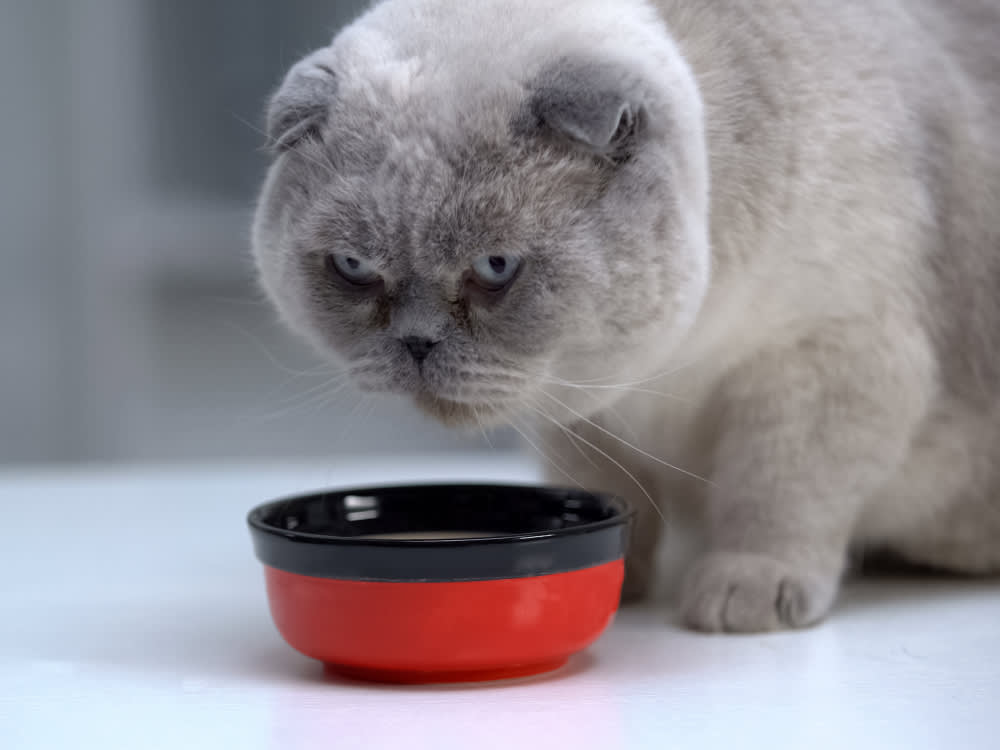
A diabetes diagnosis for your cat sounds like a life sentence of syringes. For a long time, it more or less was: twice-daily insulin injections, careful glucose curves, and a lot of anxious label-reading in the cat-food aisle. The injections part has changed. The label-reading part has not, and it still matters more than most cat owners realize.
So let’s do this in the right order. First, the thing that hasn’t changed and never will, diet and weight. Then the thing that has changed, and it’s a genuinely big deal.
Don’t panic, and start counting
If your cat was just diagnosed, take a breath. Feline diabetes is manageable, and unlike in many humans, a meaningful share of cats can actually go into remission, roughly 30 percent of treated cases, and stop needing medication entirely. Early, well-managed treatment is what makes that outcome more likely, so the diagnosis is not the disaster it feels like on day one.
The most useful thing you can do at home is boring: keep numbers. Diabetes tends to show up in middle-aged and senior cats, and the early signs, more thirst, more urination, a bottomless appetite, weight loss, are easy to miss, especially in a cat who goes outside or drinks from the faucet. Track how often you refill the water bowl and count the urine clumps when you scoop the litter box each day. That quantified picture is worth more to your vet than any vague impression, both for catching the disease and for managing it afterward.
Diet: the part that never stops mattering
Whatever medication your cat ends up on, food is doing heavy lifting. Cats are obligate carnivores, and the diet that helps a diabetic cat looks a lot like what a cat would eat in the wild: high in protein, low in carbohydrate. The rough targets most feline experts point to are protein above about 40 percent and carbohydrate below about 12 percent, with moderate fat.
A few practical truths inside that. First, dry food is not automatically off-limits. It’s a stubborn myth that a diabetic cat can’t eat kibble; the right low-carb, high-protein dry foods exist, though many canned foods make it easier to hit low-carb targets. Second, therapeutic prescription diets and carefully built homemade meals are excellent tools, but they’re not the only path, and they can be expensive; suitable over-the-counter options exist too. The catch is that food and medication have to be dialed in together, so the diet is a conversation with your vet, not a solo experiment. Corticosteroids and some other drugs can also nudge a cat toward diabetes, so managing those matters as well.
And the single biggest lever, the one that’s true before and after diagnosis, is weight. Overweight and obese cats are far more prone to diabetes in the first place, and keeping a cat lean is the most powerful preventive step there is. A heavier cat may be more to cuddle, but the extra weight quietly raises the odds of a disease that’s hard on them.
What actually changed: cats can now be treated without insulin
Here’s the development that reshaped this whole topic, and it’s why “finding the right diet” is no longer the entire story.
In recent years, the FDA approved two oral medications for feline diabetes: Bexacat (bexagliflozin) and Senvelgo (velagliflozin). Both belong to a class of drugs called SGLT2 inhibitors, and both are given once a day, one as a flavored tablet, one as an oral liquid. For the right cat, that means managing diabetes without a single injection.
They work in a clever, sideways manner. Rather than pushing glucose into cells the way insulin does, SGLT2 inhibitors block the kidneys from reabsorbing glucose, so the excess sugar simply leaves the body in the urine. The upside is obvious: once-daily dosing, no needles, and a low risk of the dangerous blood-sugar crashes that make insulin nerve-racking for owners.
For a lot of owners, the needle is the thing that makes them hesitate, and now there’s a real path that doesn’t involve one. But these drugs are not a magic pill for every cat, and the screening beforehand is not a formality. Skipping the workup is where cats get hurt.
That caveat is critical. These medications are only for otherwise healthy cats with newly diagnosed diabetes who have not been on insulin. They are not a substitute for insulin in a cat who’s already on it or who’s sick, because in the wrong cat they carry a serious risk: a life-threatening complication called euglycemic diabetic ketoacidosis, where a cat can crash into ketoacidosis even while blood sugar looks normal. That’s why cats on these drugs need proper screening first and careful monitoring after. Used correctly, they’re a real advance. Used casually, they’re dangerous. This is squarely a decision to make with your veterinarian.
What’s new since this was written
The oral-medication story is still unfolding, and the guidance is maturing fast. As more cats have been treated with SGLT2 inhibitors, veterinary specialists have gotten more specific about who’s a good candidate, better-controlled, newly diagnosed cats without kidney or other complicating disease, and more emphatic about the monitoring that catches euglycemic ketoacidosis early. Recent systematic reviews of non-insulin diabetes drugs in cats have reinforced both the promise and the need for careful case selection.
The nutrition side has been quietly evolving too. There’s growing interest in how these newer drugs interact with diet, and the low-carbohydrate, high-protein approach remains the backbone of management no matter which medication a cat is on. Continuous glucose monitors, small sensors originally built for people, are also increasingly used on cats, letting owners and vets track blood sugar with far fewer stressful blood draws. Put together, a feline diabetes diagnosis in this era is more manageable, and often less invasive, than it was even a few years ago. The right food is still the foundation. It just no longer has to come with a lifetime of syringes.
References
- Two New Drugs to Treat Diabetes in Cats — U.S. Food and Drug Administration
- The Role of SGLT2 Inhibitors in Feline Diabetes Mellitus Management — Today’s Veterinary Practice
- SGLT2 inhibitor use in the management of feline diabetes mellitus — Journal of Feline Medicine and Surgery (PMC)
- Efficacy and Safety of Non-Insulin Antidiabetic Drugs in Cats: A Systematic Review
- Cornell Feline Health Center — Cornell University College of Veterinary Medicine
Common questions
What should a diabetic cat eat?
In general, a diet that is high in protein (roughly over 40 percent) and low in carbohydrates (roughly under 12 percent), which mirrors what cats evolved to eat. Both canned and dry foods can fit these targets, and options exist by prescription and over the counter. Always confirm the specific diet with your vet, since it has to be coordinated with the cat's medication.
Can feline diabetes go away?
Yes, it can go into remission, meaning the cat no longer needs medication to keep blood sugar in range. Remission has been reported in roughly 30 percent of treated cases, and it's most likely with early diagnosis, weight management, and prompt, well-managed treatment.
Not a substitute for your vet. Our guidance is educational. For urgent symptoms, contact a vet or emergency clinic right away. Editorial standards
Dr. Park is a board-certified emergency and critical care specialist. She reviews our health and safety content for clinical accuracy and contributes guides on recognising urgent conditions. Her focus is helping owners act quickly and correctly when it matters most.
Meet our experts ↗Keep reading
 FoodYour Senior Cat Isn't Picky. The Food Is the Wrong Temperature.Dr. Mara Chen · 7 min
 FoodYour Vet Prescribed a $140 Bag of Food. Will Insurance Touch It?Sara Lim · 7 min
 FoodYour Cat Isn't a Picky Diva. It's a Supertaster Built for MeatDr. Mara Chen · 5 min
 FoodForget the Clock: Build Your Cat's Feeding Schedule From Calories, Not Meal TimesDr. Mara Chen · 7 min
 FoodYour Cat Wants Your Salad. Here's What Lettuce Actually Does.Dr. Amara Solis · 4 min
 Health & WellnessYour Cat Isn't Picky. Your Cat Is Missing a GeneDr. Nina Kohl · 6 min