


Your Cat Isn't Picky. Your Cat Is Missing a Gene
What you read as fussiness is a hardwired sensory fact: cats can't taste sweetness at all, and they experience flavor almost nothing like you do. Here's the biology behind the snub, and what it means for how you feed them.

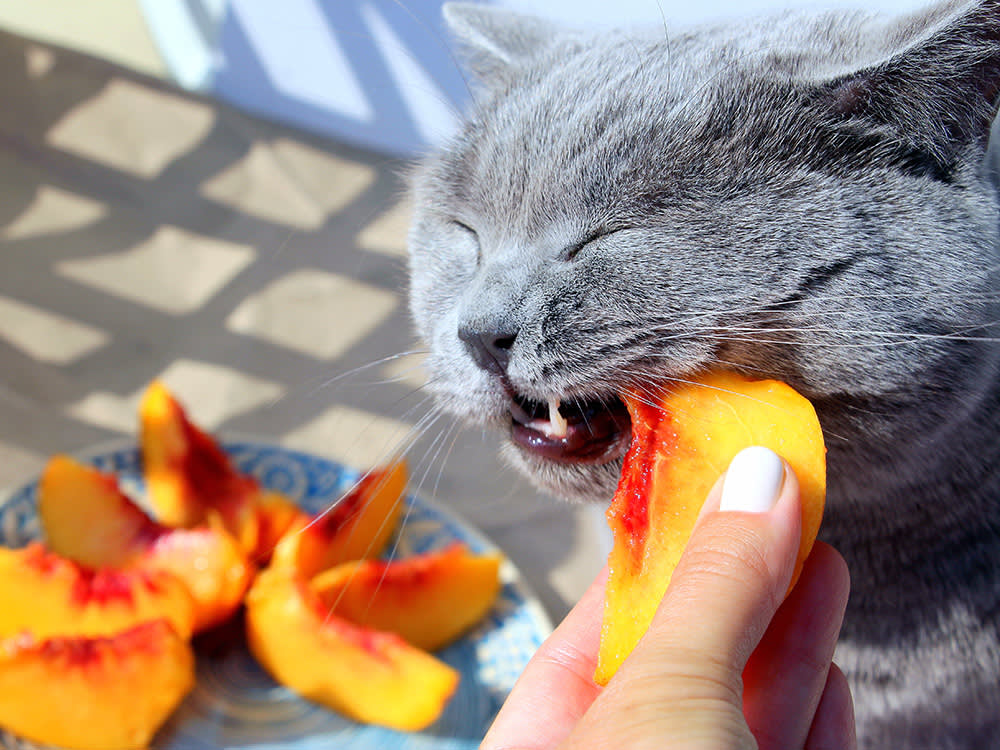
Your cat steals turkey off your plate and won’t glance at the slice of cake next to it. You offer a lick of ice cream and they seem interested, then walk away unimpressed. It’s easy to file this under “my cat is a picky diva.” The truth is more interesting and lets your cat off the hook entirely: they are physically incapable of tasting sweetness. What looks like attitude is missing hardware.
Once you understand how a cat actually experiences flavor, their “weird” food preferences stop being weird. They’re the perfectly logical output of a body built to hunt.
The missing piece: cats can’t taste sweet at all
This is the headline, and it’s not an exaggeration or a “cats don’t like sweets much.” Cats cannot detect sweetness, full stop.
Mammals need two genes working together to sense sweet flavors. One of them, called Tas1r2, is effectively broken in cats. Because that gene is inactive, the receptor that normally recognizes sugar is missing a critical part, so a cat’s brain simply never receives the “this is sweet” signal. The sugar goes in; the message never sends.
It isn’t a quirk of your cat in particular. Domestic cats, lions, and other carnivores all share this same genetic gap. Evolution tends to discard what a species doesn’t use, and a cat’s ancestors survived on prey, not fruit or nectar. A sweet detector offered them no advantage, so over time it fell away.
When people call a cat picky, I usually tell them the cat is just being honest about its biology. A cat isn’t rejecting your dessert to be difficult. It genuinely cannot perceive the thing you find delicious about it. Once owners hear that, a lot of mealtime frustration melts away.
So why the ice cream, the frosting, the curiosity?
If cats can’t taste sweet, why do so many of them beg for a lick of something sugary? Because they’re chasing everything about that food except the sugar.
Cats are drawn to texture, fat, and protein. Ice cream is cold, rich, and creamy, and that mouthfeel is the appeal. Frosting is fatty and smooth. Add a naturally curious animal who wants to investigate whatever you’re eating, and you get a cat who appears to have a sweet tooth but is really just interested in the temperature, the richness, and the novelty. The sweetness itself is invisible to them.
What cats can taste, and why it’s tuned for hunting
Cats aren’t flavor-blind. Their palate is simply pointed in a different direction than yours, toward the things that matter for a carnivore.
Umami, the savory, meaty taste, is their single strongest attraction. It comes from the amino acids in animal protein, which is exactly what a cat’s body is built to run on. Bitterness is the next important one: cats detect bitter flavors well, and that sensitivity helps them steer clear of toxins in the wild. They have some ability to taste sour, though far less sharply than we do, and they can register saltiness to a degree without craving it the way people do.
Here’s the number that reframes everything: cats have only a few hundred taste buds, while people have several thousand. Taste was never their primary tool. Smell is. A cat’s sense of smell is powerful and does most of the work of evaluating food, which is why a warm, aromatic piece of chicken sends your cat into raptures while a cold, odorless sugary thing does nothing.
Texture matters enormously too. Many cats prefer smooth paté or moist, shredded meat, because those textures mimic the feel of natural prey in the mouth. When your cat rejects one food and devours another, they’re often reacting to mouthfeel and aroma, not being fussy.
You versus your cat, side by side
The gap between a human palate and a feline one is bigger than most people realize:
- Sweet: You detect sugar easily. Your cat is missing the receptor entirely.
- Taste bud count: You have several thousand. Your cat has a few hundred.
- Flavor priorities: You enjoy a huge range of tastes, including sweets and processed foods. Your cat prioritizes umami and aroma.
- The role of smell: Smell enhances flavor for you. For your cat, smell is essential and does most of the judging.
You’re an omnivore who benefits from tasting a wide variety of foods, including the energy-rich carbohydrates that register as sweet. Your cat is a carnivore whose taste system exists mainly to confirm “this is meat” and flag “this might be poison.” A glazed donut might intrigue your cat for a second. It will never taste good to them the way it does to you.
What this means for the bowl
The practical payoff is straightforward. Because cats can’t taste sweetness and have no biological need for carbohydrates, sugar and heavy carbs do nothing good for them, and carb-heavy diets are linked to feline diabetes. A high-quality, meat-based, protein-rich food matches how a cat is built and keeps them healthier.
And the next time your cat turns up their nose at dinner, resist the “picky” label. With a nose that dominates their sense of taste and a palate tuned to savory meat, a refusal often means the smell or texture is off to them, not that they’re being dramatic. Their preferences were shaped over millions of years of hunting, and your very domestic house cat still carries them.
What newer research adds
The classic finding that cats can’t taste sugar dates back to genetic work published in 2005. More recent science has been filling in the other half of the story, how their savory sense actually operates, and it turns out cats don’t do umami quite the way we do either.
A 2023 study on domestic cats found that their umami receptor is switched on strongly by nucleotides, compounds like inosine and guanosine monophosphate that are abundant in meat, especially as it’s aged or cooked. Glutamate, the compound behind the umami hit humans get from things like broth and parmesan, didn’t do much on its own for cats. Instead, certain amino acids acted as enhancers that boosted the savory signal only when a nucleotide was already present.
For an owner, the takeaway is oddly practical. It helps explain why cats often go wild for warm, meaty, aromatic food and why pet-food makers work so hard on savory palatability. Your cat’s “meat radar” is real, specific, and now better understood, and it’s a far better guide to what they’ll actually eat than anything on the dessert menu.
References
- Li, X. et al., Pseudogenization of a Sweet-Receptor Gene Accounts for Cats’ Indifference toward Sugar, PLOS Genetics, 2005
- McGrane, S. et al., Umami taste perception and preferences of the domestic cat (Felis catus), an obligate carnivore, Chemical Senses, 2023
- Lei, W. et al., Functional Analyses of Bitter Taste Receptors in Domestic Cats (Felis catus), PLOS ONE, 2015
- Pekel, A.Y. et al., Taste Preferences and Diet Palatability in Cats, Journal of Applied Animal Research, 2020
Common questions
Then why does my cat lick ice cream or frosting?
For everything except the sugar. Cats are drawn to the cold, the creamy fat, and the texture, plus plain curiosity. They're investigating the mouthfeel and richness, not enjoying the sweetness, because they can't perceive it.
What flavors can cats actually taste?
Umami, the savory taste of meat, is their strongest draw. They also detect bitter well, which helps them avoid toxins, and they have some limited sense of sour and salty. Umami plus aroma is what makes a warm piece of chicken irresistible.
Does this mean my cat's food shouldn't have much sugar or carbs?
Right. Cats have no biological need for carbohydrates and can't even taste the sweetness, and diets heavy in carbs are linked to feline diabetes. A high-quality, meat-forward, protein-rich food suits their wiring far better.
Is my cat being fussy when they reject a food?
Often it's not fussiness at all. With only a few hundred taste buds and a powerful nose, cats judge food mostly by smell, texture, and savoriness. A refusal frequently means the aroma or mouthfeel is off to them, not that they're being difficult.
Not a substitute for your vet. Our guidance is educational. For urgent symptoms, contact a vet or emergency clinic right away. Editorial standards
Dr. Kohl is a board-certified veterinary dentist with a particular interest in preventive oral care. She reviews all dental health content at The Pet Times and contributes practical guides on home dental routines, professional cleaning, and oral disease prevention.
Meet our experts ↗Keep reading
 FoodForget the Clock: Build Your Cat's Feeding Schedule From Calories, Not Meal TimesDr. Mara Chen · 7 min
 FoodYour Cat Isn't Hungry. Unless These Three Things Are Also True.Dr. Priya Nair · 10 min
 Health & WellnessWet Food Rarely Gives a Cat Diarrhea. The Way You Switched It Usually DoesDr. Mara Chen · 9 min
 FoodWet vs. Dry Cat Food: The Moisture Question Settles Most of ItDr. Mara Chen · 6 min
 FoodWet Cat Food and the 2-Hour Rule: The Clock Starts the Second You Open the CanDr. Amara Solis · 7 min
 Food'Freeze-Dried' Tells You Nothing About Your Cat's Food. Two Labels Do.Dr. Priya Nair · 8 min