


Your Cat Probably Doesn't Have a UTI. What Litter-Box Trouble Usually Means
True bacterial urinary infections are rare in cats, especially young ones. Most litter-box trouble is stress-driven inflammation. A vet explains the difference, the red flags, and the one sign that is a true emergency.

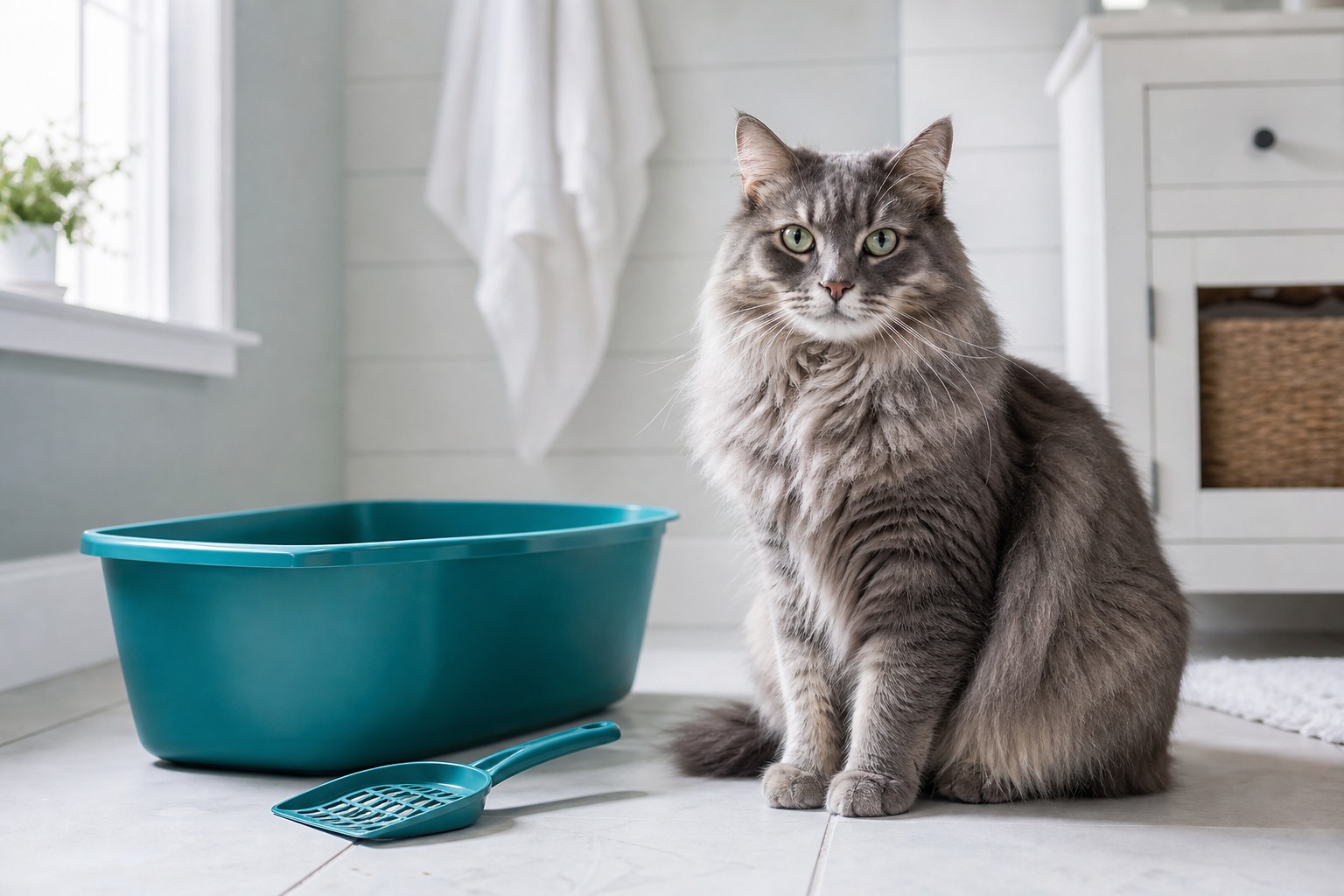
When a cat starts straining in the litter box, almost everyone reaches for the same phrase: my cat has a UTI. It is a reasonable guess and, most of the time, the wrong one. In cats, especially younger ones, a true bacterial urinary tract infection is genuinely uncommon. Studies consistently find that fewer than 2 percent of cats showing lower urinary signs actually have a bacterial infection. The far more likely culprit is a sterile, stress-driven inflammation of the bladder, and that distinction changes everything about how you help.
So before we talk symptoms and treatment, let us fix the vocabulary, because the wrong name leads to the wrong fix, like expecting antibiotics to solve a problem that antibiotics cannot touch.
Owners come in certain it is one bug that needs one antibiotic. In a young cat, that is rarely the story. We are usually looking at a bladder inflamed by stress, and pointing an antibiotic at it does nothing. You have to figure out what is actually driving the signs before you can fix them.
The emergency you have to rule out first
Before anything else, one warning that overrides everything below. A cat, especially a male cat, who is straining and producing no urine at all may have a urethral blockage. That is a true, life-threatening emergency. A blocked cat can die within a day or two. Do not wait, do not try home remedies, do not sleep on it. Get to a vet or emergency clinic immediately. Everything else in this article can wait for a normal appointment; this cannot.
What is usually going on instead
The umbrella term vets use is FLUTD, feline lower urinary tract disease, and it covers several conditions that all produce similar litter-box signs. Here is what actually tends to be behind them.
Stress cystitis (the most common by far). In young and middle-aged cats, the leading diagnosis is feline idiopathic cystitis, a sterile inflammation of the bladder wall with no infection present. Roughly 60 to 70 percent of cats under ten with lower urinary signs fall into this category. It is tightly linked to stress: a new pet, a move, a schedule change, a dirty or contested litter box, or even a change in weather can inflame a sensitive cat’s bladder. This is why emotional stress and physical urinary symptoms are so tangled together in cats, and why the fix is often environmental rather than pharmaceutical.
Bladder stones and crystals. Uroliths turn up in a meaningful share of FLUTD cases and can irritate the bladder or, worse, contribute to a blockage. Some dissolve with a prescription diet; others need removal.
Diet and urine chemistry. Certain foods push urine toward being too alkaline, which changes what can form and grow in it. What your cat eats genuinely affects urinary health.
Actual bacterial infection. It does happen, mostly in older cats, in cats with kidney disease, or in those with diabetes or other conditions that dilute the urine and let bacteria multiply. But it is the exception, not the default, which is exactly why a vet cultures the urine rather than assuming.
The warning signs to watch for
The signs mirror our own misery, and in litter-box terms they look like this:
- Peeing outside the litter box
- Lingering in the box much longer than usual
- Going frequently but producing only tiny amounts
- Repeatedly trying to pee and producing nothing (see the emergency section above)
- Crying out while urinating
- Visible blood in the urine
- Excessive licking at the genital area
Even the milder signs deserve a vet visit. They are painful for your cat, and the sooner you get answers, the sooner the right treatment can start, whether that is stress management, a diet change, or, occasionally, antibiotics.
How vets sort it out, and treat it
Because the causes are so different, a good vet does not stop at a urine dipstick. Expect some combination of a urinalysis, a urine culture to confirm or rule out actual bacteria, bloodwork to check kidney function, and often an x-ray or ultrasound to look for stones. Testing the urine alone is only one piece of the puzzle, and skipping the rest is how cats end up on antibiotics they never needed.
Treatment follows the diagnosis. If it is stress cystitis, the most effective medicine is environmental: more and cleaner litter boxes (the rule of thumb is one per cat plus one), water fountains to boost intake, wet food, pheromone diffusers, and reducing whatever changed in the household. Pain relief helps a cat through a painful flare. If there are stones, your vet may recommend a dissolving diet or surgery. If a culture actually grows bacteria, then antibiotics are the right tool. And if there is a blockage, that is emergency care, not home care.
The bottom line
Feline urinary disease is complicated because it is not one disease. The reflex to call every case a UTI is usually wrong, and it points owners toward a fix that will not work. The encouraging news is that once the actual cause is identified, most cats respond well and get relief quickly. Learn the signs, take the “straining but producing nothing” red flag as the emergency it is, and let your vet name the real problem before anyone reaches for antibiotics.
References
- “Feline Idiopathic Cystitis.” VCA Animal Hospitals. https://vcahospitals.com/know-your-pet/feline-idiopathic-cystitis
- “Feline Lower Urinary Tract Disease.” Cornell University College of Veterinary Medicine, Feline Health Center. https://www.vet.cornell.edu/departments-centers-and-institutes/cornell-feline-health-center/health-information/feline-health-topics/feline-lower-urinary-tract-disease
- “Current Thoughts on Pathophysiology and Treatment of Feline Idiopathic Cystitis.” Today’s Veterinary Practice. https://todaysveterinarypractice.com/urology-renal-medicine/current-thoughts-on-pathophysiology-treatment-of-feline-idiopathic-cystitis/
Not a substitute for your vet. Our guidance is educational. For urgent symptoms, contact a vet or emergency clinic right away. Editorial standards
Dr. Nair is a veterinarian focused on diet and feeding. She covers everyday nutrition, treats, and the many "can they eat this?" questions owners ask, grounding each answer in what is actually safe and sensible for dogs and cats.
Meet our experts ↗Keep reading
 Health & Wellness"Keep Cats Indoors" Is Only Half the Bird Flu Advice. The Other Half Is the BowlDr. Nina Kohl · 4 min
 Health & WellnessVets Are Done Calling Frequent Vomiting 'Normal' for CatsDr. Lena Park · 9 min
 TrainingYour Cat Screams at 3am Because You Never Let It Finish the HuntDr. Mara Chen · 8 min
 Health & WellnessThe 4 Stages of Kidney Disease in Cats, and What Each One Asks of YouDr. Amara Solis · 8 min
 Health & WellnessInsulin Isn't the Only Answer for a Diabetic Cat AnymoreDr. Lena Park · 7 min
 Health & WellnessYour Cat Is Limping. The First Question Isn't Why, It's How Fast to MoveDr. Lena Park · 7 min