


7 Foods the Internet Swears Are Bad for Dogs. They Aren't.
Search 'foods poisonous to dogs' and you'll find a real list of killers padded out with foods that are completely fine in moderation. A vet sorts the genuine hazards from the carbs and everyday foods that got an undeserved bad reputation.

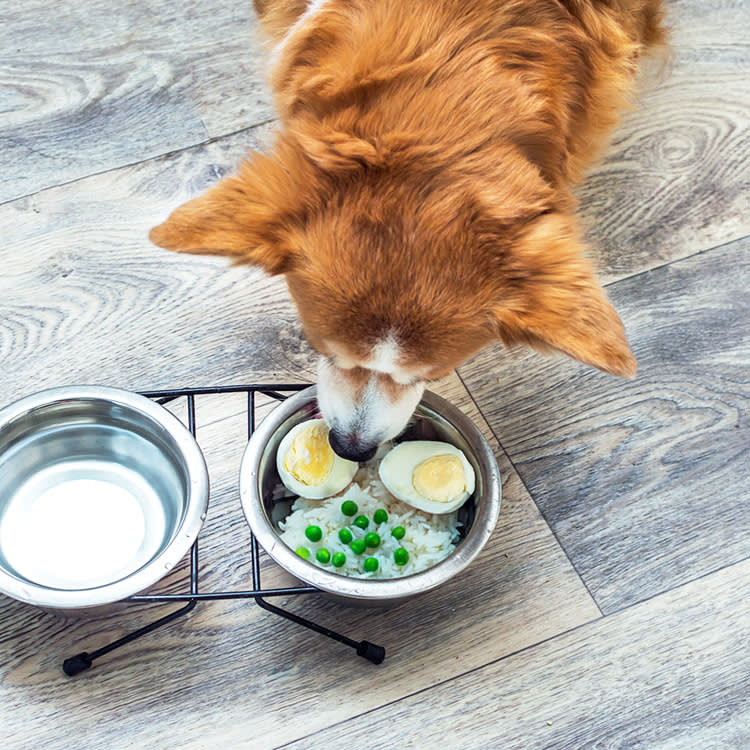
There’s a real list of foods that can seriously hurt or kill a dog: chocolate, onions, avocado, grapes and raisins, certain nuts, and anything with the sweetener xylitol. Memorize it. Keep it away from your dog. It matters.
The problem is that when you actually search “foods poisonous to dogs,” that genuine hazard list gets bulked up with a bunch of foods that aren’t dangerous at all, just carbs and everyday ingredients that picked up an undeserved reputation somewhere along the way. We live in a protein-obsessed food culture, and carbohydrates in particular get treated like villains. They aren’t. Carbs are fuel, and many of them carry real nutrients. So here are seven foods you may have been scared off of that your dog can absolutely have, as long as the rest of the diet is balanced.
I spend a surprising amount of time telling people the food they’re afraid of is fine. The mistake is lumping ‘not ideal in huge quantities’ in with ‘toxic.’ Rice isn’t a poison because it has carbs. An egg isn’t dangerous because it has fat. The actual toxic list is short and specific, everything else is a moderation question, not a safety one.
1. White rice
Start with the food the intro promised, because it’s the poster child for the whole problem. Yes, white rice can spike blood sugar. It’s also one of the most useful foods you can keep on hand for a dog with a sensitive stomach, because it’s about as easy to digest as a carb gets. Want something more nutritious day to day? Brown rice brings more fiber and antioxidants, which may help protect cells from damage. Either way, serve it plain, with no butter or garlic.
2. Oatmeal
Another carb with a bad rap it doesn’t deserve. In moderation, oatmeal is a safe complex carbohydrate that supplies vitamins and healthy fiber. Just keep it plain, no raisins (those are toxic) and no brown sugar or other sweeteners.
3. Eggs
An egg is complete protein in a shell, and it gets an unfair reputation over its calorie and fat content. In moderation, they’re a healthy addition that brings good fats and vitamins to the bowl. The only firm rule is to cook them first. Raw eggs carry a risk of bacterial infection like Salmonella, and the avidin protein in raw whites can lead to a biotin deficiency over time.
4. Peanut butter
Peanut butter isn’t a bad food, it’s just a rich one. Because it’s high in fat, use it sparingly, as a high-value reward or a way to hide a pill, rather than a daily scoop. The one non-negotiable: make sure it’s xylitol-free. That artificial sweetener is highly toxic to dogs in even the smallest amount, and it turns up in some “sugar-free” peanut butters.
5. Dairy
Most dogs tolerate dairy just fine, the key word being moderation. Because most pets aren’t used to eating dairy after they’re weaned, introduce it slowly and only as an occasional treat, never a diet staple. If your dog is sensitive, goat’s milk can be an easier option: it has smaller fat globules and less lactose than cow’s milk, which makes it gentler to digest, plus some useful nutrients.
6. Peas
Peas get dismissed as a cheap “filler,” which isn’t really fair. They’re a legitimate source of protein, vitamins, and minerals. Serve them plain, no butter, salt, or pepper. One caveat: if peas or other legumes are showing up as a major ingredient in your dog’s food in place of grains, that’s worth a conversation with your vet (more on why below).
7. Fruits and vegetables
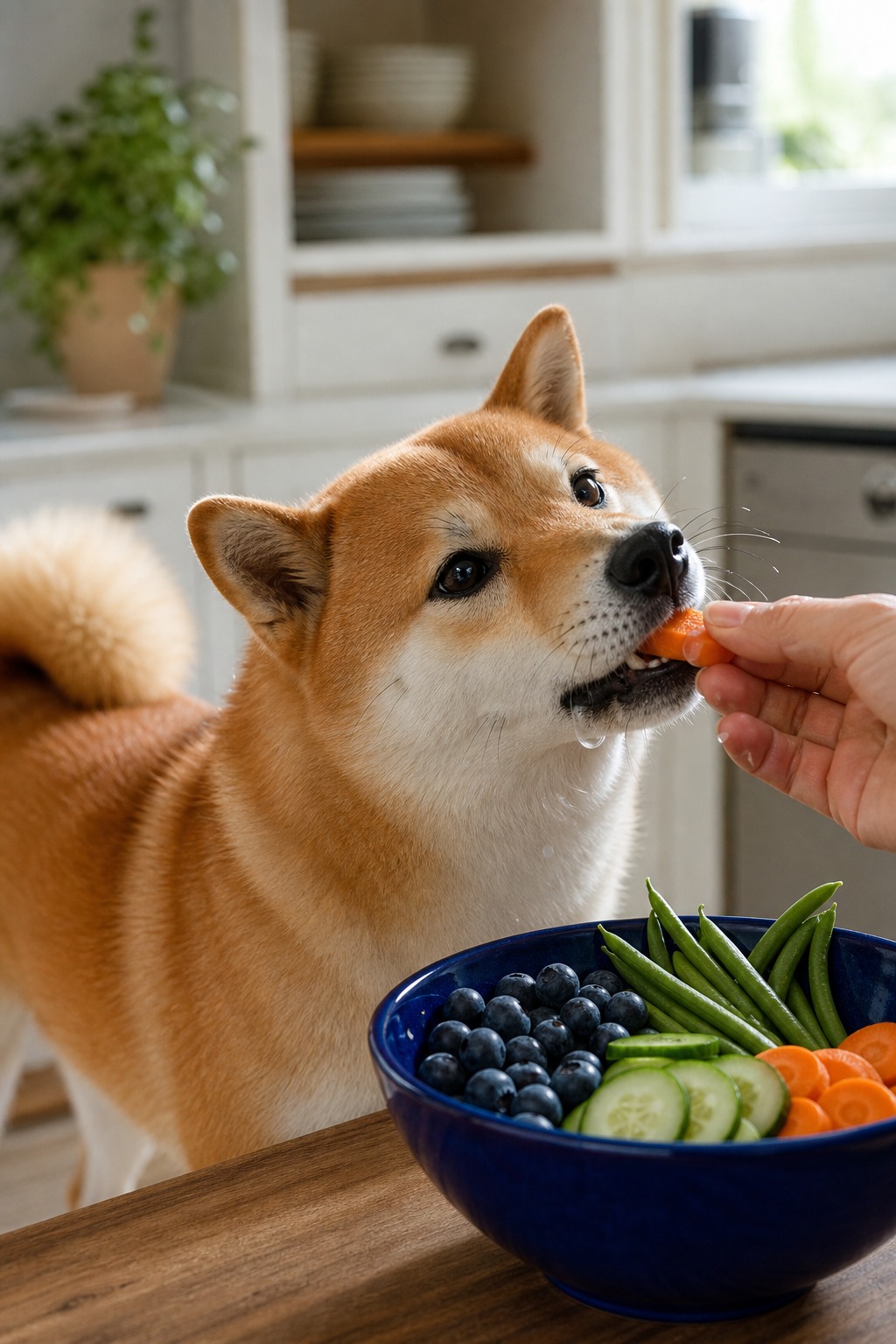
This includes the sweeter ones people worry about, apples, bananas, strawberries, carrots. The fear is that the sugar will spike a dog’s blood sugar, but these foods also carry fiber, which actually helps stabilize blood sugar, along with a good dose of antioxidants. The guideline is proportion: let fruits and vegetables account for maybe 10 percent of what your dog eats, and build the rest around complete nutrition.
(And pasta? Not poison either, it’s just a high-glycemic food most vets wouldn’t put on the recommended list. Fine in a small, plain, sauce-free amount, especially for a dog who needs to gain weight, but it’s the least useful food here.)
The one real caution: introduce slowly, and ask the right expert
If you want to fold more whole, human-grade foods into your dog’s meals, go for it, just do it gradually and check with someone qualified first. And “qualified” is doing real work in that sentence: not every vet has deep training in animal nutrition, so it’s fair to ask about your vet’s specific expertise, and to consult a trained canine nutritionist for anything ambitious.
What newer research adds
The peas-and-legumes caveat above isn’t nutritional snobbery. Over the past several years, the FDA has investigated a possible link between certain grain-free diets, often heavy in peas, lentils, and other legumes, and dilated cardiomyopathy (DCM), a serious heart condition, in dogs. The relationship still isn’t proven to be causal, and researchers are actively working on it, but it’s the reason a good vet will pause when legumes are replacing grains as a main ingredient. It doesn’t make peas dangerous as a snack. It’s a reason to be thoughtful about what makes up the base of the diet, which is exactly the distinction this whole article is about: a food being fine as a treat is not the same as a food being fine as a foundation.
References
- U.S. Food and Drug Administration. “FDA Investigation into Potential Link between Certain Diets and Canine Dilated Cardiomyopathy.”
- American Veterinary Medical Association. “Diet-associated dilated cardiomyopathy in dogs.”
Common questions
Are eggs safe for dogs?
Very. An egg delivers complete protein plus healthy fats and vitamins. The one rule: cook it first. Raw eggs carry a risk of Salmonella and can cause a biotin deficiency thanks to the avidin in egg whites.
How much fruit and vegetables can a dog have?
Most fruits and vegetables are healthy for dogs but should stay under roughly a tenth of what they eat each day. They're snacks and supplements, not the main event, and the bulk of the diet should still be complete and balanced.
Not a substitute for your vet. Our guidance is educational. For urgent symptoms, contact a vet or emergency clinic right away. Editorial standards
Dr. Solis is a board-certified veterinary dermatologist with over twelve years of clinical experience. She advises on skin conditions, allergies, and grooming practices that affect coat and skin health. All dermatology and allergy content at The Pet Times is reviewed by her team before publication.
Meet our experts ↗Keep reading
 FoodA Food Truck for Dogs Sounds Like a Gimmick. The Argument Behind It Isn't.Nina Vasquez · 7 min
 FoodSweet Potato Is a Real Dog Superfood. One Rule Makes It Safe.Dr. Priya Nair · 5 min
 FoodThe People Foods That Actually Do Something for Your DogDr. Amara Solis · 7 min
 FoodNot All Bell Peppers Are Equal: Why Red Beats Green in Your Dog's BowlDr. Lena Park · 6 min
 Food9 Human Superfoods Worth Adding to Your New Dog's BowlLeila Torres · 6 min
 FoodProduce Is a Treat, Not a Topping: 11 Fruits and Veggies, Served RightDr. Mara Chen · 9 min