


9 Human Superfoods Worth Adding to Your New Dog's Bowl
Forget the marketing — a real canine superfood delivers maximum nutrition for minimum calories. Here are nine that earn the label, sorted by what they actually do, plus the one rule that keeps toppers from backfiring.

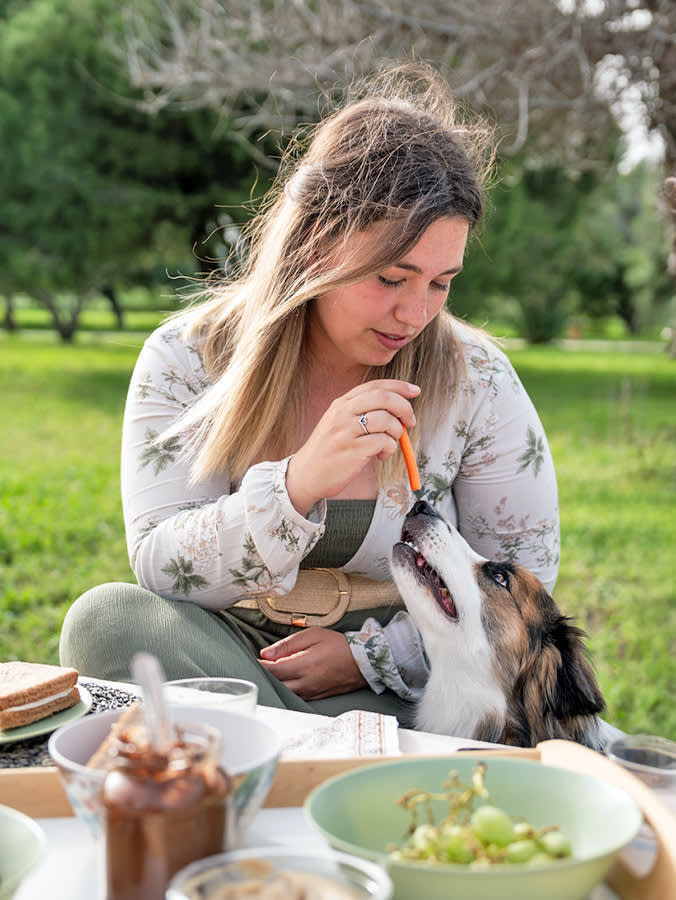
“Superfood” is a marketing word before it’s a nutrition one, and that’s worth saying up front, because half the foods marketed to dogs as miracle ingredients are ordinary produce with a markup. The useful definition is plain: a canine superfood is any whole food that delivers a lot of nutrition for very few calories. By that standard, most of the best ones aren’t exotic at all. They’re already in your kitchen.
That matters most when you’ve just brought a dog home. A new dog’s diet should be built mostly on a complete, balanced food, with extras kept to roughly ten percent of daily calories — the “ten percent rule” that keeps treats and toppers from quietly unbalancing the whole meal. Inside that ten percent, though, you can do real good. The nine foods below earn the superfood label honestly, and they’re organized by what they actually accomplish, so you can match the food to your dog rather than tossing in whatever’s trending.
A universal rule before the list: introduce anything new slowly and in small amounts, watch for digestive upset, serve everything plain (no salt, butter, oil, or seasoning), and check with your vet first if your dog has an existing health condition.
For the gut: digestion and a settled stomach
Pumpkin

If you add only one thing to a new dog’s bowl, make it pumpkin. It’s the rare topper that genuinely earns its reputation across multiple situations: low in calories and sodium, high in soluble fiber, and supplied with carotenoids, potassium, and vitamin C. That fiber is what makes it a go-to for both ends of a digestive problem — it can firm up loose stool and help things along when a dog is backed up. Use plain canned pumpkin purée only. Pumpkin pie filling, loaded with sugar and spices, is not dog food.
Yogurt
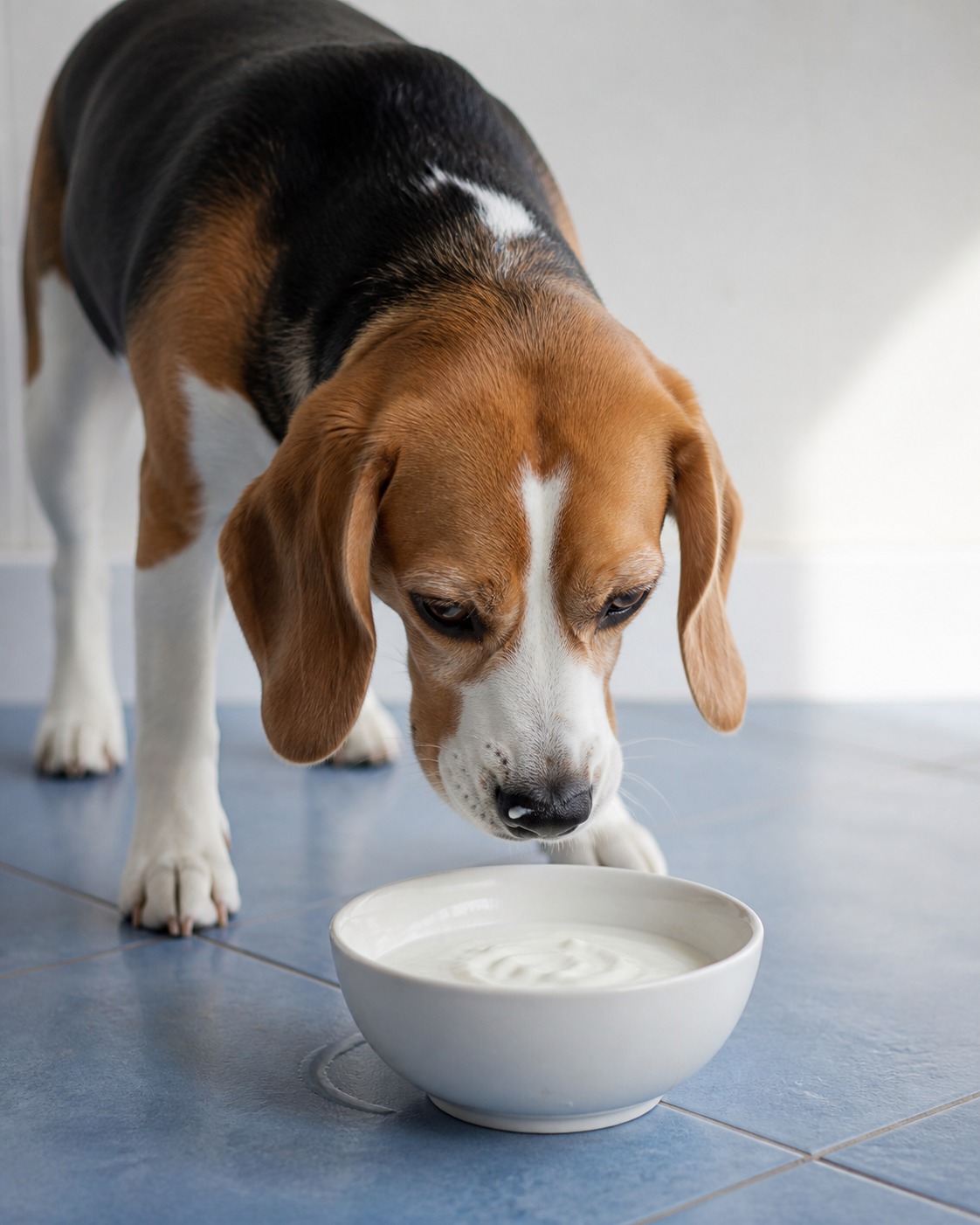
The live cultures in plain yogurt are the draw — probiotics that support a healthy gut by crowding out less helpful bacteria, which is especially useful for a new dog whose digestion is still adjusting to a new home and food. Beyond the probiotics, a serving brings protein, calcium, phosphorus, vitamin B12, and zinc. Stick strictly to plain and unsweetened, and skip it entirely for dogs who are noticeably lactose-sensitive.
For skin, coat, and joints: the anti-inflammatory picks
Fish
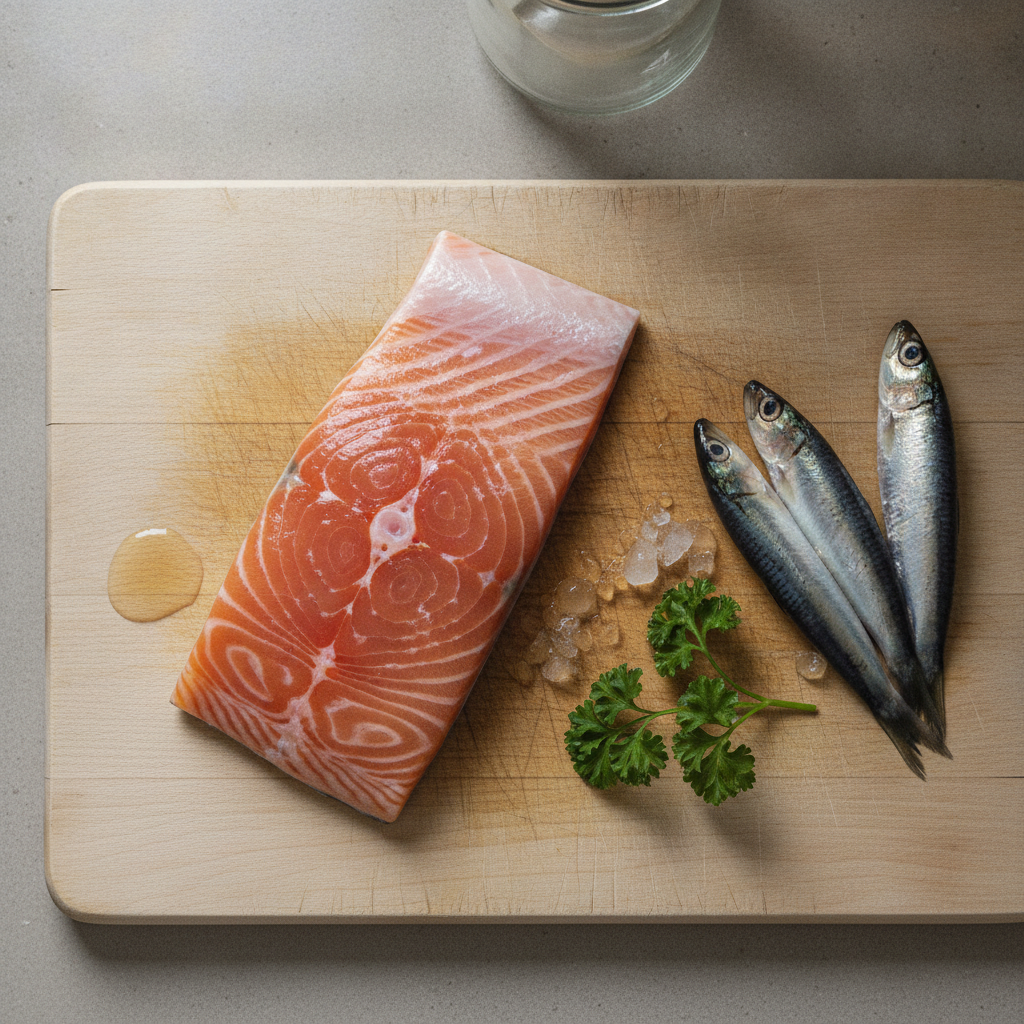
Oily fish — salmon, sardines, herring, mackerel, anchovies — is one of the best natural sources of omega-3 fatty acids you can give a dog, and the omegas are the reason this one outperforms most toppers. They support skin and coat quality, brain function, and they actively dampen the inflammation behind arthritis and other chronic conditions. Serve it cooked and boneless. If your dog has joint or skin issues, ask your vet whether a dosed fish-oil supplement would do more than the occasional fillet.
Chia seeds
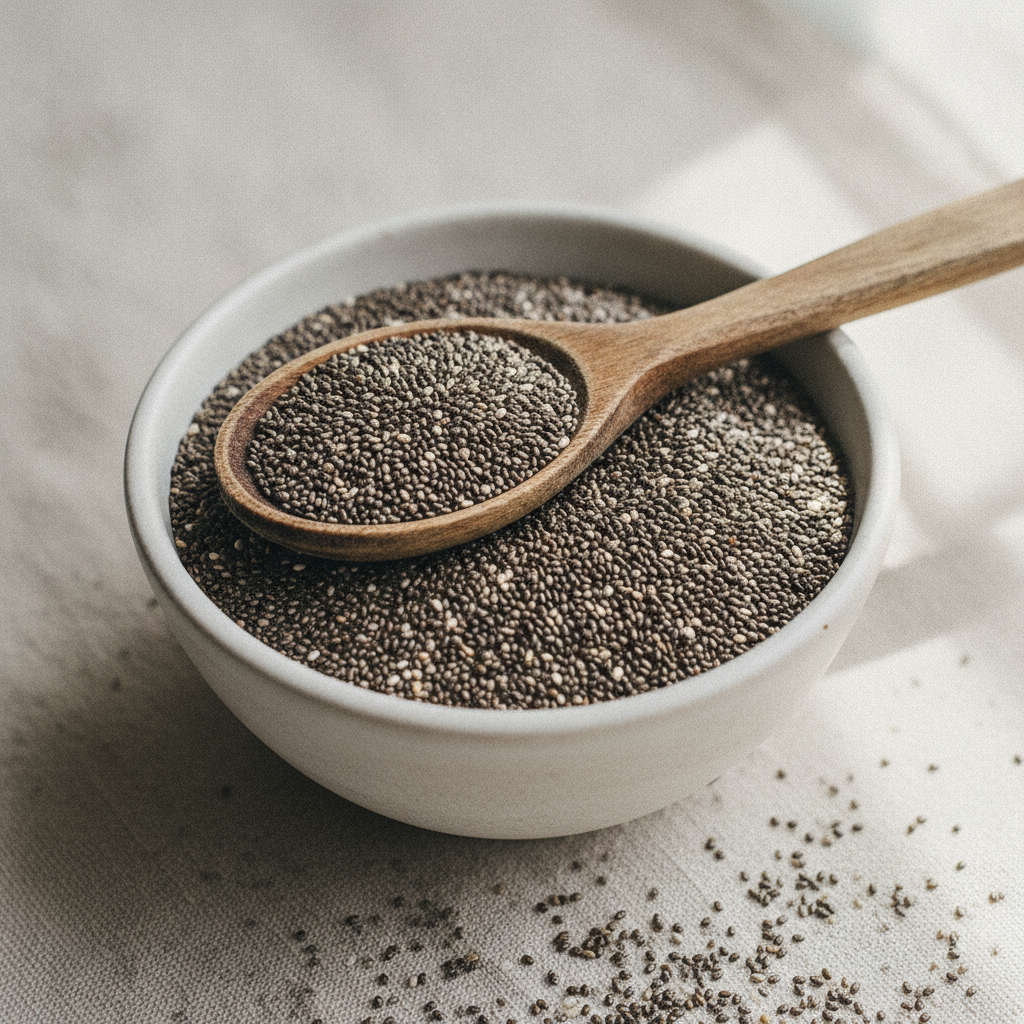
Chia covers similar omega-3 territory to flaxseed but with a practical edge: no grinding required, since the nutrients stay accessible whole. A scatter over the bowl adds fiber, omega-3s, calcium, antioxidants, and protein. Because chia absorbs many times its weight in water, it can also nudge a dog toward better hydration. Keep portions modest — a little goes a long way.
For everyday nutrition: the reliable workhorses
Sweet potatoes

A standout among root vegetables, sweet potato is loaded with beta-carotene — it carries notably more antioxidant punch than blueberries, which tend to hog that spotlight — plus heart-supporting vitamin A and enough vitamin C to give the immune system a real lift. Bake or boil until soft and serve plain. Their gentle fiber makes them especially friendly to sensitive stomachs.
Carrots
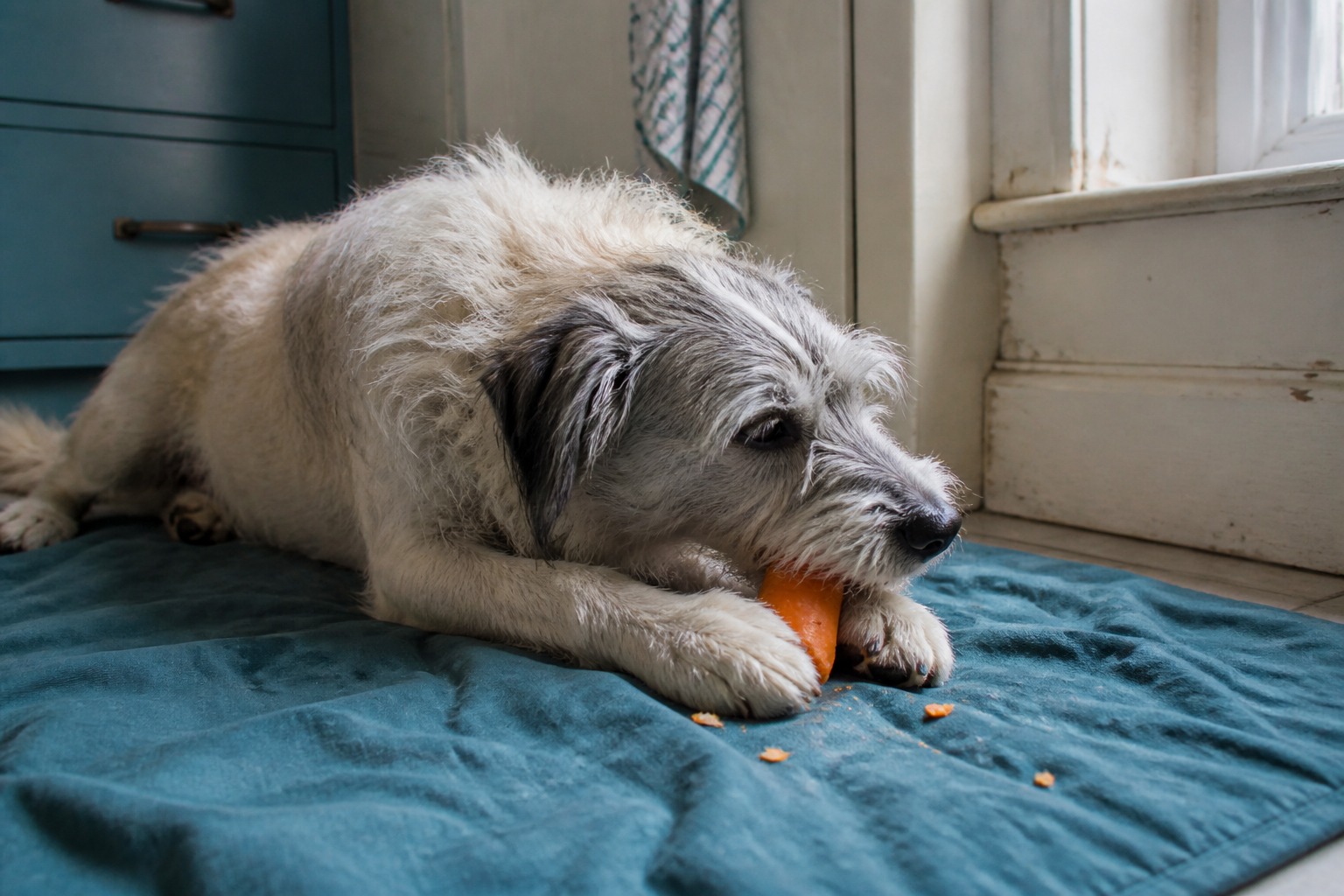
Most dogs love carrots, and they’re one of the most useful low-stakes additions you can make. Naturally sweet and satisfying to chew, they bring carotenoids, fiber, vitamins C and K, and potassium. A bonus for a new dog still learning the ropes: a chilled raw carrot doubles as a low-calorie chew and a soothing object for a teething puppy. Vitamin K supports clotting and wound healing; the crunch helps scrape teeth.
Kale
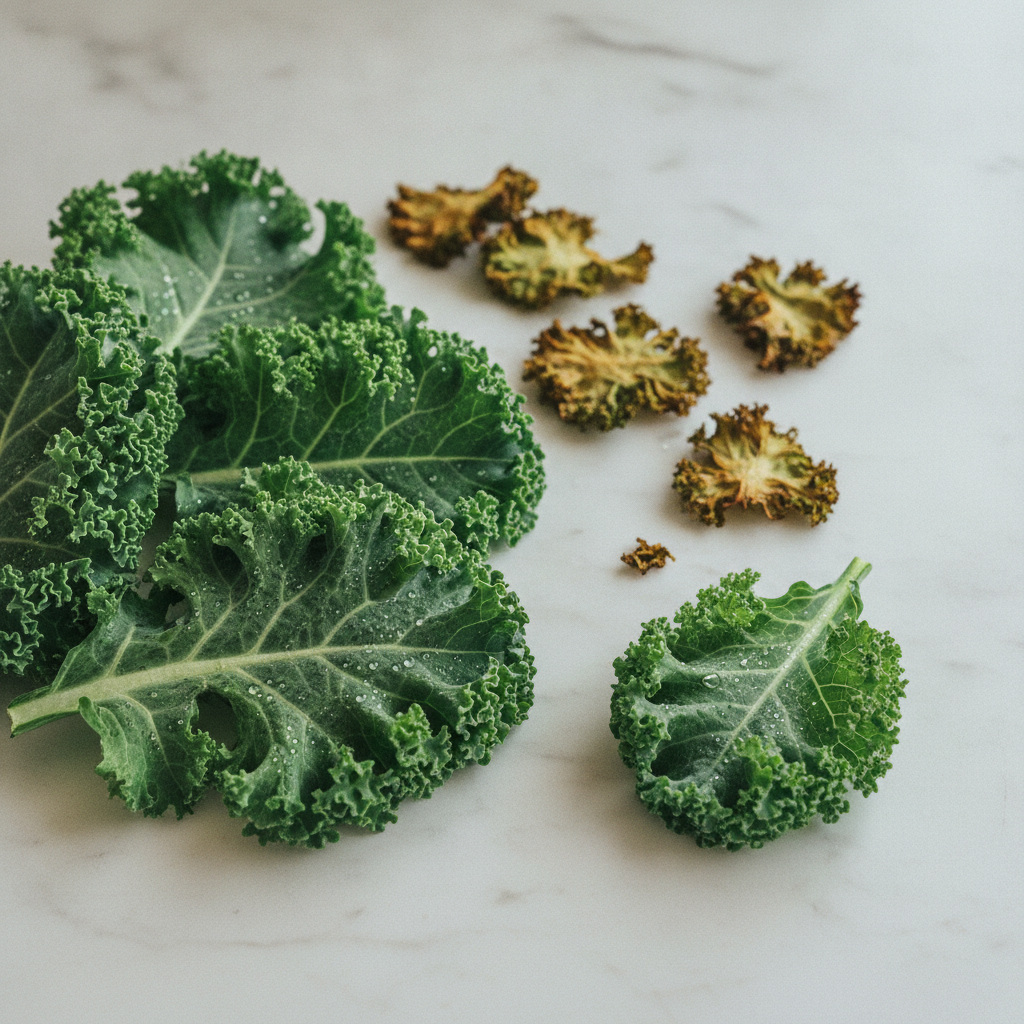
Few greens pack as much into a leaf — vitamins A, E, and C, strong antioxidant support, and anti-inflammatory benefits. One genuine caution sets kale apart from the others here: dogs with a history of bladder stones or kidney disease should skip it, because compounds in kale can be a problem for them. For healthy dogs, small amounts of washed, chopped kale are a nutritional bargain.
Quinoa
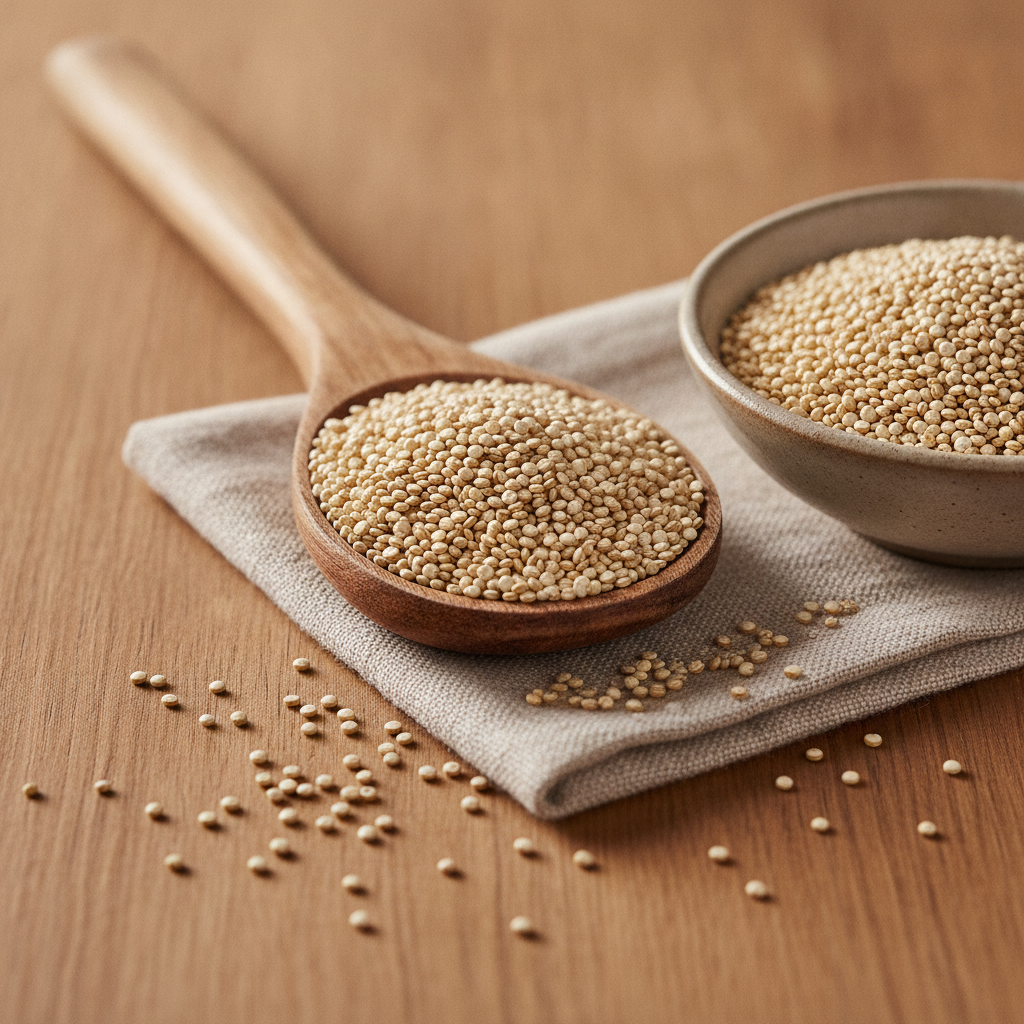
Filed with the grains but technically a seed, quinoa’s claim to fame is that it’s a complete protein, delivering all the essential amino acids in one food — unusual for a plant. It also brings fiber, folate, magnesium, iron, and phosphorus. Always serve it cooked and plain; raw quinoa carries a natural coating (saponins) that can irritate the gut.
For a treat with benefits
Blueberries
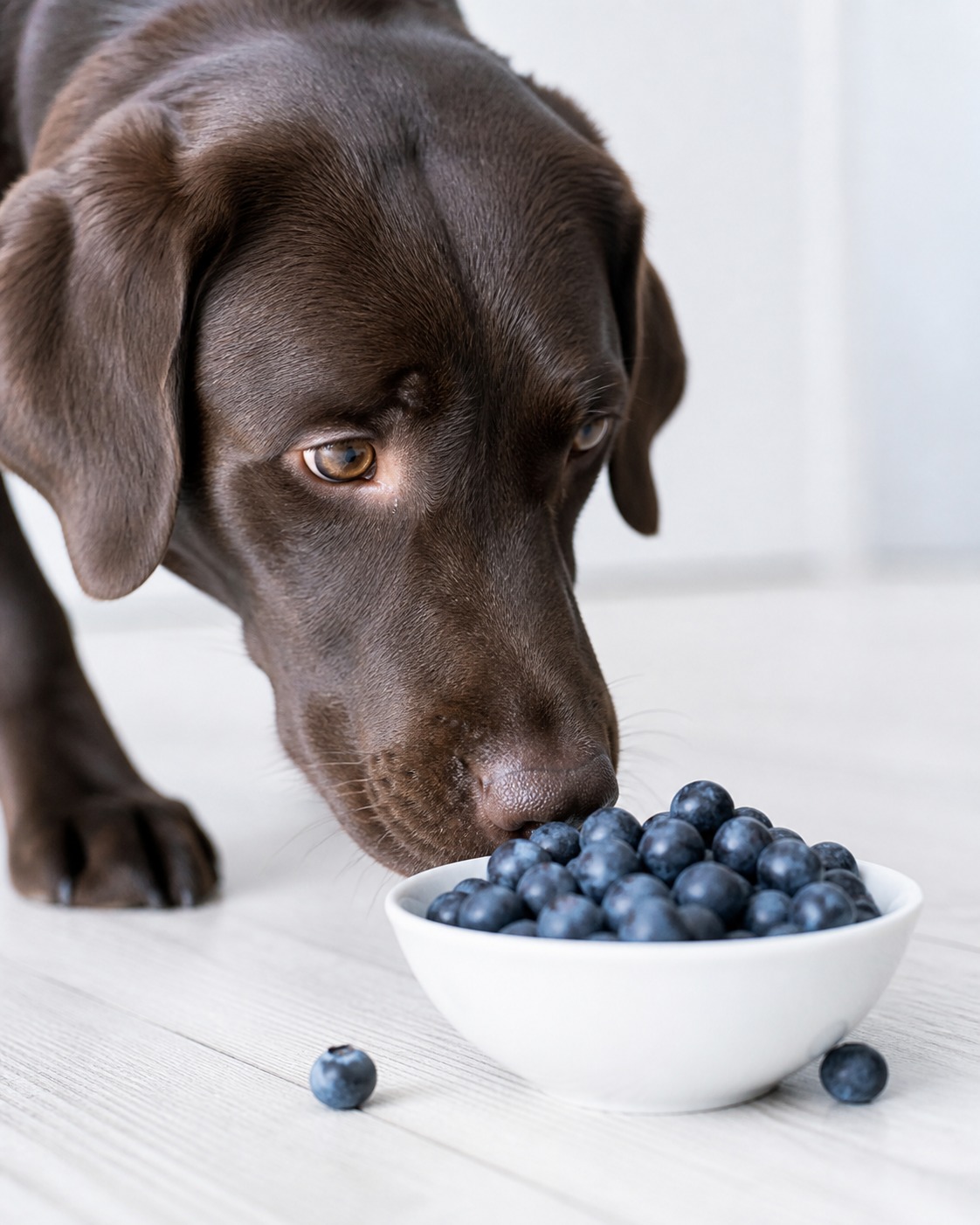
Small fruit, real payload. Blueberries are rich in anthocyanidins — among the most potent antioxidants in any fruit, and the source of that deep blue-purple color — plus vitamins C and E, manganese, and fiber. Fresh or frozen both work, and a frozen blueberry is a perfect training-sized reward. Keep servings modest; too many can loosen stool.
What’s new since this was written
The science of feeding dogs whole-food extras has gotten a useful reality check in recent years, and the headline is moderation. Veterinary nutritionists increasingly emphasize that toppers and “functional” foods should stay within that ten-percent-of-calories budget, because even healthy additions can unbalance a complete diet or pile on calories if they creep past it — and canine obesity remains one of the most common preventable health problems vets see.
There’s also growing, if still early, research interest in the canine gut microbiome, which is part of why probiotic foods like plain yogurt and fiber-rich produce like pumpkin keep earning their place. The practical advice hasn’t changed: variety in small amounts, built on top of a complete base diet, beats any single “miracle” ingredient.
The foods to keep far away
A list of what’s good is only half the safety picture. Never give a dog chocolate, grapes, raisins, onions, garlic, or anything containing xylitol (now often labeled “birch sugar”), all of which range from genuinely toxic to potentially fatal. When you’re unsure about any new food, the safe move is to look it up or ask your vet before it goes in the bowl.
The bottom line
The best superfoods for a new dog aren’t the trendy ones — they’re the plain, whole foods that pack real nutrition into few calories: pumpkin and yogurt for the gut, fish and chia for skin and joints, sweet potato, carrots, kale, and quinoa for everyday nutrition, and blueberries for a treat that does some good. Keep them inside the ten-percent rule, introduce them slowly, serve them plain, and you’ve turned snack time into something that genuinely supports the dog you just brought home.
Not a substitute for your vet. Our guidance is educational. For urgent symptoms, contact a vet or emergency clinic right away. Editorial standards
Leila Torres leads our Living coverage, from home life and travel to the products and rescue stories that come with sharing a life with animals. She edits and writes across the section, with a soft spot for pieces about the bond between people and their pets.
Meet our experts ↗Keep reading
 Food"Lactose Intolerant" Is the Wrong Question About Your Dog and DairyDr. Ravi Mehta · 7 min
 FoodNot All Bell Peppers Are Equal: Why Red Beats Green in Your Dog's BowlDr. Lena Park · 6 min
 FoodThe People Foods That Actually Do Something for Your DogDr. Amara Solis · 7 min
 Food7 Foods the Internet Swears Are Bad for Dogs. They Aren't.Dr. Amara Solis · 6 min
 FoodBaby Food Is a Sick-Day Tool for Dogs, Not a Treat. Read the Jar Like OneDr. Mara Chen · 6 min
 FoodPork and Dogs: The Meat Is Fine, the Way We Cook It Isn'tDr. Mara Chen · 5 min