


Your Puppy's First Vet Visit Is Won Before You Leave the House
The exam room is the easy part. What you pack, ask, and practice beforehand decides whether your puppy's first checkup sets them up to love the vet or dread it for life.

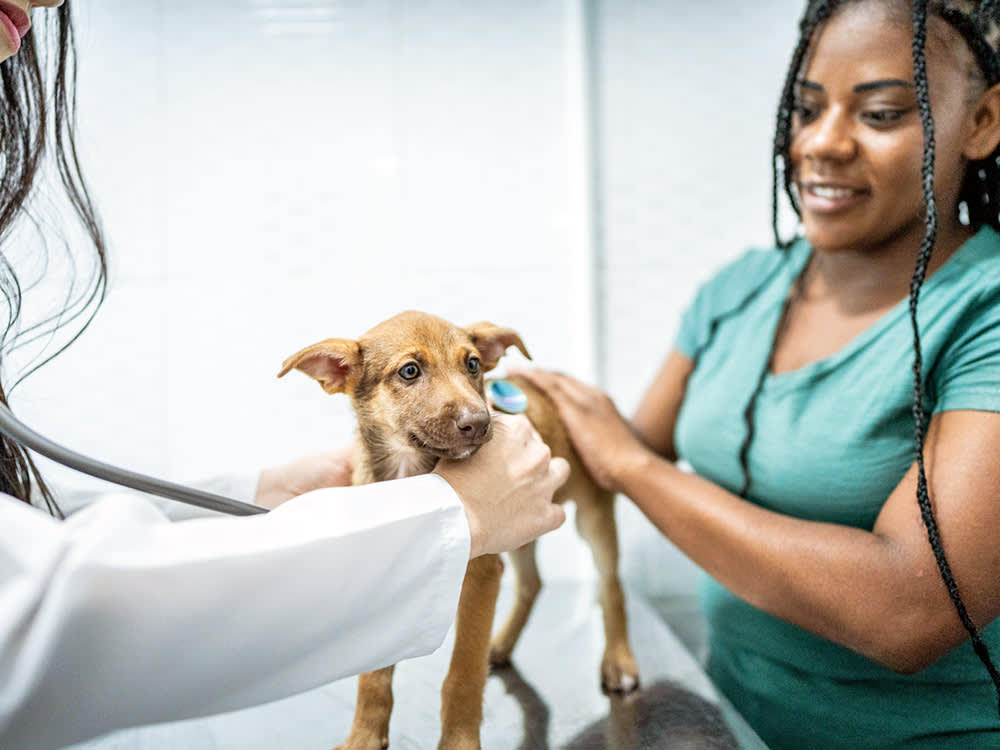
You have agonized over the right bed, settled on a food, and read every training guide you could find. Then comes the appointment that makes a lot of new owners quietly nervous: the very first trip to the vet. What if your puppy panics? What if one bad experience turns every future visit into a wrestling match?
Here is the reframe that takes the pressure off. The appointment itself is largely in your veterinarian’s hands. The part you control, and the part that actually determines how the day goes, happens before you ever clip on the leash. A little preparation is the difference between a smooth first checkup and a stressful one.
By the time you walk through my door, the exam is mostly on me. What decides whether your puppy learns to love this place or dread it happened at home that morning. A puppy who has had their paws handled at home and taken a fun car ride is a completely different patient than one for whom every single thing is new and alarming.
Pack the paperwork (and the food scoop)
Some puppies arrive with a folder of documents; others show up as mystery strays. Both are fine. Bring whatever history you do have, because it lets your vet build an accurate picture from day one instead of guessing.
Vaccination records. Depending on age, your puppy may already have had a shot or two. Any paperwork showing dates, vaccine types, and reactions helps your vet map out a personalized schedule so protection continues without gaps or unnecessary repeats.
Deworming history. Puppies get dewormed often, and different parasites call for different medications. Knowing what your puppy has already received tells your vet what comes next.
Diet details. Owners regularly blank on the exact brand and formula when asked, so snap a photo of the food bag before you go. And bring the actual scoop you use. Plenty of people swear they feed “one cup” without mentioning that the cup in question is the size of a convenience-store soda. Your vet needs the real amount, not the rounded one.
Pet insurance information. If you are insuring your puppy, enrolling during puppyhood helps you avoid future claim denials for preexisting conditions. Give your vet’s office the policy details so they can support claims down the line.
Adoption or breeder paperwork. This one surprises people with how useful it is. Beyond vaccine and deworming records, it can reveal where your puppy came from geographically, which matters because some diseases, heartworm being the big one, are far more common in certain regions than others.
Walk in with your questions already written down
Your mind goes blank the instant a vet asks, “Any questions?” A short list, jotted down at home, keeps you from remembering the important one in the parking lot. These topics come up for almost every new owner:
The vaccine timeline. Your vet will cover this, but before you leave, make sure you understand when each future shot is due. You will be back often in these early months, so know what each visit is for.
Parasite prevention. Fleas, ticks, heartworm, mange, intestinal worms, and ear mites are only part of the lineup. Ask which parasites are a real threat where you live and which formulation, oral, injectable, or topical, fits your puppy best.
Feeding and growth. A core goal of the visit is confirming your puppy is getting the right amount of the right food for their life stage. Ask how to adjust portions as they grow, and which snacks, chews, and bits of your own dinner are actually OK to hand over.
Spay or neuter timing. Recommendations vary widely, and bigger dogs are often fixed later than small ones. Ask your vet to walk you through the pros, cons, and timing they suggest for your specific puppy.
Exercise and socialization. Puppies run on a startling amount of energy, and channeling it well is half the battle. Ask about safe ways to introduce your puppy to new people, places, and animals during the window before their immune defenses have fully matured, so you strike the right balance between exposure and protection.
Take the fear out of the room ahead of time
Even a well-socialized puppy may get jittery in an unfamiliar place full of strange smells and sounds. A few habits, started early, pay off with a dog who stays calm at the vet for years:
- Burn off a little energy first. A puppy who has had some exercise is easier to settle. Do not exhaust them completely, but a bit of activity beforehand takes the edge off.
- Bring the comforts of home. A familiar blanket carries a reassuring scent, and a favorite toy gives your puppy something to focus on besides the exam table.
- Stash some high-value treats. The clinic will have snacks, but bringing the ones your puppy already loves gives you a reliable reward for good behavior in the lobby and the car.
- Play “pretend vet” at home. This is the single most valuable thing you can do. Gently handle your puppy’s paws, lift their tail, and peek in their mouth during play, so the real exam feels familiar rather than alarming.
- Make the car mean fun, too. If the only car trips your puppy takes end at the vet, they will start dreading the drive itself. Mix in rides to the park or a friend’s house so the car is not a one-way ticket to the exam room.
Handle the logistics before the day arrives
A first visit can cost more than first-timers expect, so call a few local clinics ahead of time to compare pricing and ask whether they offer puppy packages that bundle the early vaccine appointments.
Getting your puppy there smoothly takes a little planning, too. A quick day-of checklist keeps the morning from unraveling:
- Set up the crate or carrier
- Have a properly fitted collar or harness and leash ready
- Secure the carrier in the car
- Pack cleanup supplies for pee, poop, or car sickness
- Bring toys and treats
The bottom line
A great first vet visit is not luck. It is medical records gathered in advance, a written list of questions, a puppy who has practiced being handled, and a bag packed the night before. Do that groundwork and you hand your veterinarian a calm patient and hand your puppy a first impression of the vet that they can carry, happily, for the rest of their life.
References
- Ohio State University Indoor Pet Initiative. “Getting to Know My Veterinarian.” indoorpet.osu.edu.
- University of Illinois College of Veterinary Medicine. “How to Prepare for Your New Puppy.” vetmed.illinois.edu.
- Colorado State University College of Veterinary Medicine and Biomedical Sciences. “How to Prepare Your Pet for a Low-Stress Vet Visit.” cvmbs.source.colostate.edu.
- Texas A&M School of Veterinary Medicine and Biomedical Sciences. “The Puppy Timeline: Physical and Mental Changes.” vetmed.tamu.edu.
Dr. Mehta is a board-certified veterinary nutritionist who evaluates pet food formulations, ingredient quality, and the science behind dietary trends. He writes and reviews all nutrition content at The Pet Times, including our food rankings and feeding guides.
Meet our experts ↗Keep reading
 Health & WellnessThe Runt Isn't the Problem. The First 48 Hours Are.Dr. Priya Nair · 9 min
 Health & WellnessStop Watching Your Puppy Breathe. Start Counting.Dr. Lena Park · 8 min
 First DaysStop Counting Your Puppy's Sleep Hours. Watch for the Change.Dr. Amara Solis · 8 min
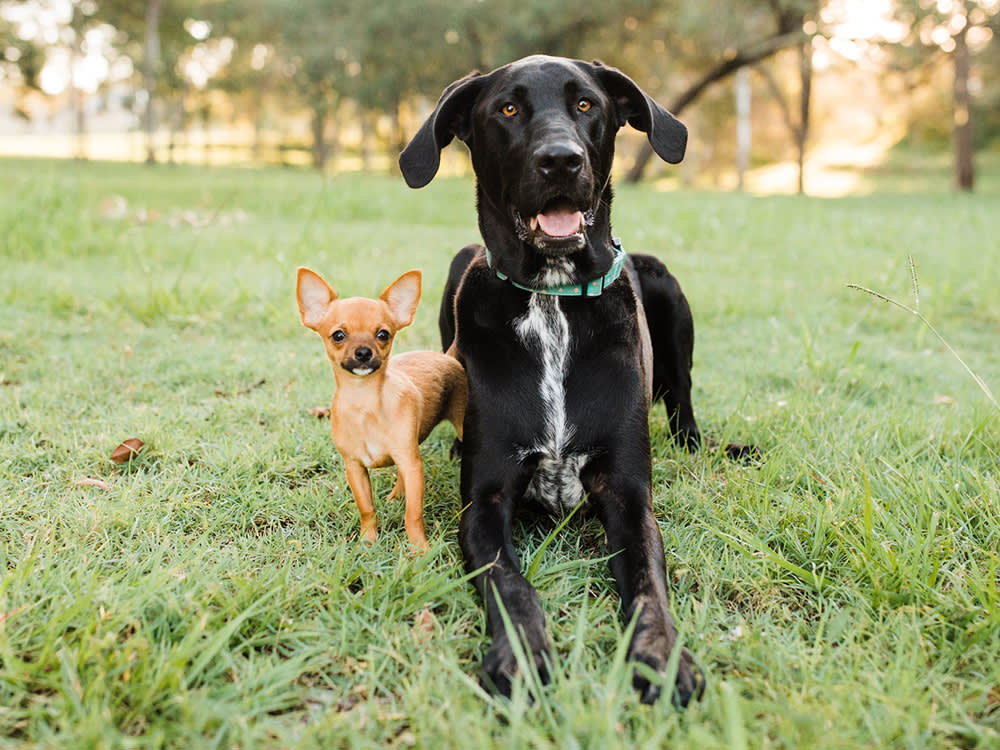 First DaysIs Your Puppy Growing Too Fast? The Window Is Smaller Than You ThinkDr. Ravi Mehta · 5 min
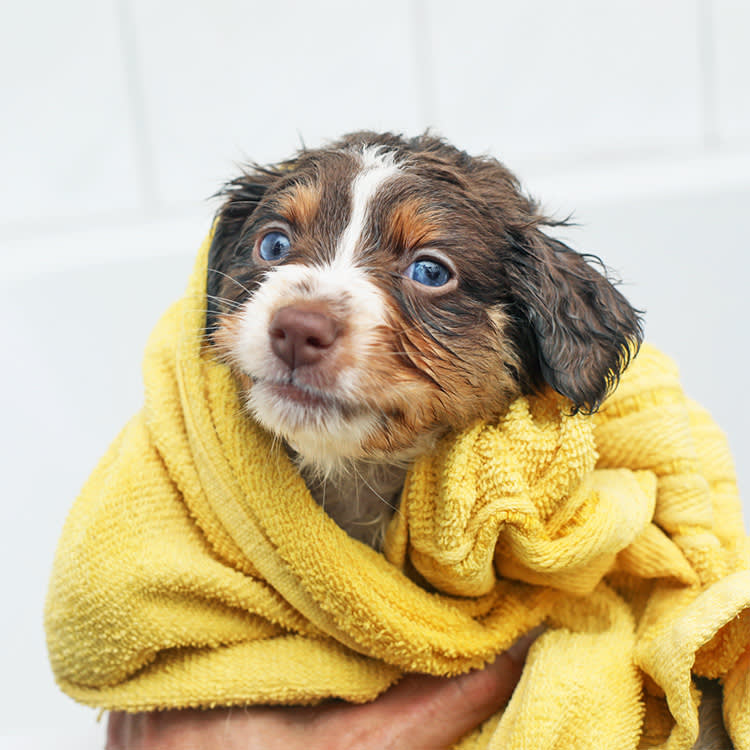 Health & WellnessNever Put a 2-Week-Old Puppy in the Bath. The Water Isn't the Danger, the Cold Is.Dr. Lena Park · 6 min
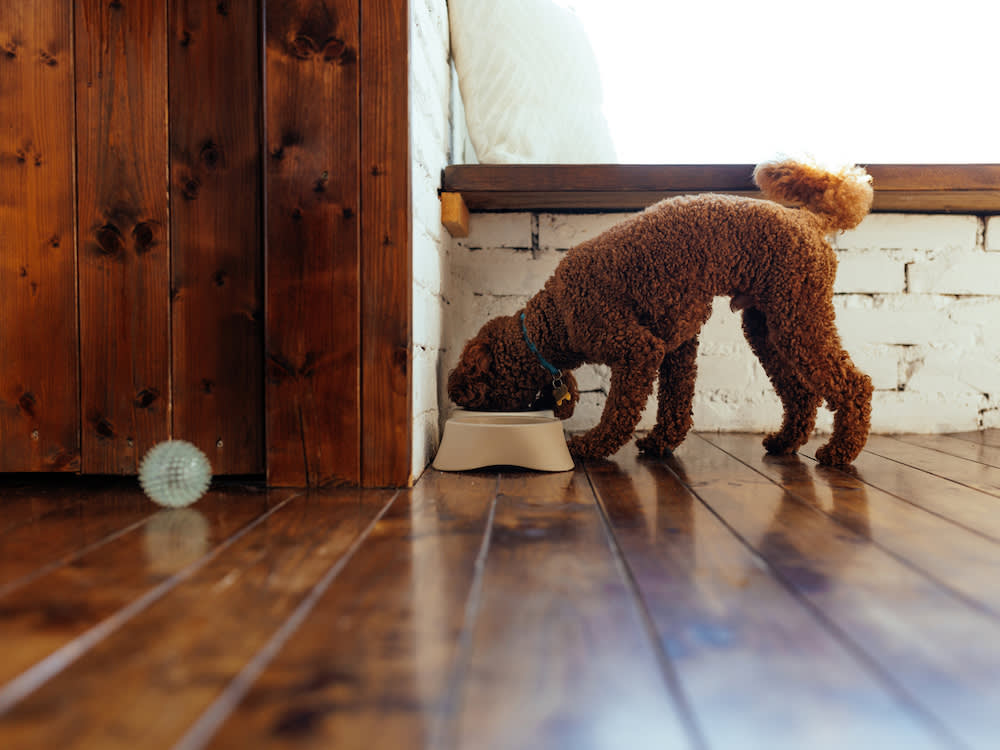 Health & WellnessAnother Blue Ridge Beef Recall: Why This Keeps Happening to Raw-Fed PuppiesDr. Mara Chen · 4 min