


Another Blue Ridge Beef Recall: Why This Keeps Happening to Raw-Fed Puppies
Blue Ridge Beef has recalled nearly 10,000 pounds of Puppy Mix for salmonella, the latest in a string of recalls. Here are the lot numbers to check, what salmonella does to a puppy, and the bigger pattern raw-feeding owners should know.

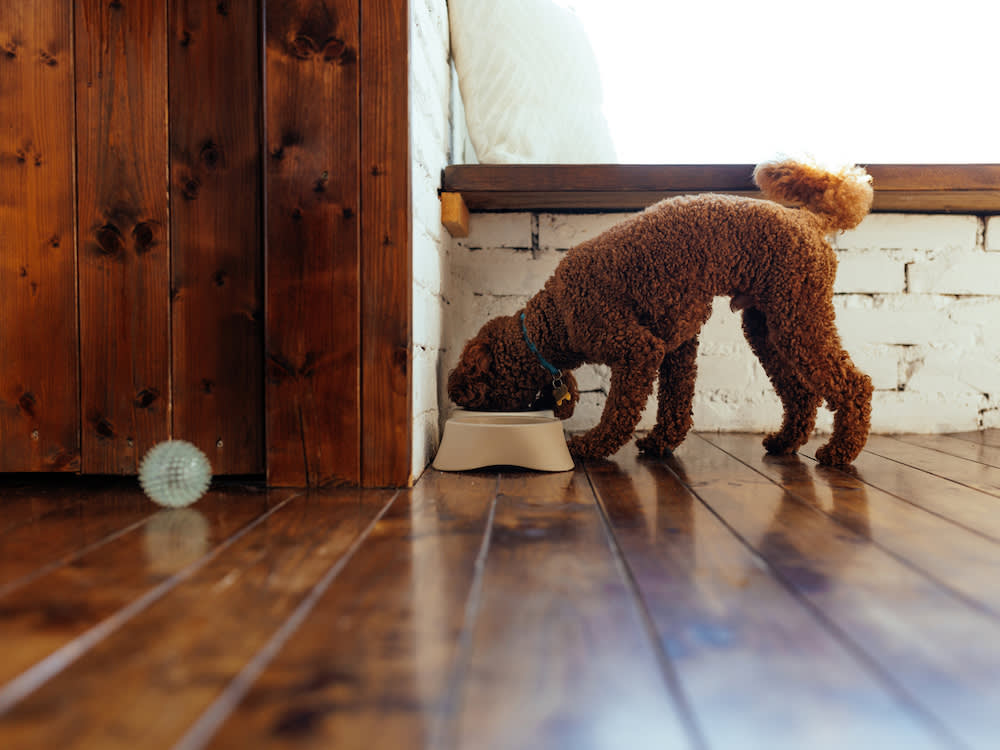
If you feed your puppy Blue Ridge Beef Puppy Mix, stop and check the package now. The North Carolina raw-food company has recalled 9,600 pounds of it after the food tested positive for salmonella, according to the FDA. But the more useful thing to understand is that this is not a freak accident. It is the latest entry in a recurring pattern, and that pattern carries a lesson for anyone feeding a raw diet to a young dog.
What to check right now
The recall covers the company’s two-pound dog Puppy Mix, sold between August 6 and August 23 in Virginia, North Carolina, Maryland, Pennsylvania, Connecticut, Massachusetts, and New York. Pull the package and look for:
- Lot numbers 08/06/N25 and 08/16/N25
- UPC 854298001696
If your bag matches, do not feed it. The recall traces back to November, when dog owners told the Virginia Department of Agriculture and Consumer Services that a litter of puppies had gotten sick after eating these products. On November 27, the FDA confirmed the food had tested positive for salmonella. Concerned owners can reach Blue Ridge Beef at blueridgebeefnc@yahoo.com or 704-873-2072.
The pattern this fits into
Here is the context the recall notice leaves out: Blue Ridge Beef recalls are not rare. In just the recent stretch around this one, the company recalled 5,700 pounds of its Natural Mix for salmonella, then recalled lots of its Puppy Mix and Kitten Mix for salmonella and listeria. An earlier recall of its Kitten Grind followed FDA reports of two kitten deaths, one of which was confirmed to be caused by salmonella septicemia. Different products, different months, same pathogens.
That repetition matters because it shifts the takeaway from “avoid this bag” to “understand this category.” Raw and frozen pet foods are not cooked, and cooking is the step that kills salmonella and listeria. That is precisely why the FDA finds these pathogens in raw pet products more often than in cooked kibble, and why raw diets carry a structurally higher contamination risk no matter how careful the manufacturer is. None of this means raw feeding is automatically wrong for your dog, but it does mean a raw-fed household should treat every bag as if it could be contaminated, and should follow recalls closely.
When the same product line shows up in recall after recall, that is a signal, not noise. Raw diets skip the one processing step that reliably kills these bacteria. If you choose to feed raw, especially to a puppy, you are taking on the job of handling it like raw meat in your own kitchen, because that is what it is.
Why puppies are the highest-stakes case
Salmonella is dangerous for any dog, but it is worse for the animals this particular food is made for. Young dogs have immune systems that cannot fight off infection as well as adult dogs can. Veterinarian Dr. Amy Fox has explained the wrinkle that makes this especially tricky: “Healthy adult dogs tend to be more resistant to the infection, however dogs who are especially young, old, or immunocompromised are at higher risk. The kicker is that many dogs with salmonella have no physical signs of illness, so pet parents often have no clue that their dogs are infected.”
Watch for lethargy, diarrhea or bloody diarrhea, fever, vomiting, decreased appetite, and abdominal pain. But because an infected puppy may show nothing at all, the right move if your dog ate the recalled food is to call your vet even with no symptoms, rather than waiting for them.
The risk that doesn’t stop at the food bowl
One part of a raw-food recall that owners routinely underestimate: the danger to the humans in the house. Salmonella and listeria spread by contact, and a contaminated raw diet can put bacteria on bowls, scoops, counters, the floor, and your hands, as well as in your dog’s stool. Infected but healthy-seeming pets can shed the bacteria and pass it to people. That makes households with infants, young children, elderly members, or anyone immunocompromised the most exposed of all.
If you bought the recalled product, wash any bowls, scoops, containers, and surfaces that touched it with hot, soapy water, then disinfect them. Wash your hands thoroughly after handling raw food or cleaning up after a raw-fed dog, every time.
The bottom line
Check your Puppy Mix for lot numbers 08/06/N25 and 08/16/N25 and UPC 854298001696, and toss it if it matches. Then zoom out: the repeated Blue Ridge Beef recalls are a reminder that raw diets trade the safety of cooking for whatever benefits you are after, and that the trade falls hardest on puppies. If you feed raw, handle it like the raw meat it is, watch the FDA recall list, and call your vet at the first sign of trouble, or even before.
References
- U.S. Food and Drug Administration. “Blue Ridge Beef Issues Voluntary Recall of Blue Ridge Beef Puppy Mix Due to Salmonella Contamination.”
- U.S. Food and Drug Administration. “Blue Ridge Beef Issues a Recall of Blue Ridge Beef Natural Mix Due to Salmonella Contamination.”
- U.S. Food and Drug Administration. “Blue Ridge Beef Recalls Kitten Grind Raw Pet Food Because of Possible Contamination.”
- U.S. Food and Drug Administration. “Get the Facts! Raw Pet Food Diets Can Be Dangerous to You and Your Pet.”
Not a substitute for your vet. Our guidance is educational. For urgent symptoms, contact a vet or emergency clinic right away. Editorial standards
Dr. Chen is a small-animal veterinarian who leads health and safety coverage at The Pet Times. She writes and reviews the bulk of our illness, condition, and safety content, translating clinical guidance into clear, practical advice owners can act on at home.
Meet our experts ↗Keep reading
 Health & WellnessYour Puppy Was Probably Born With Worms. Here's the Schedule That Clears Them.Dr. Priya Nair · 6 min
 First DaysEight Weeks Isn't a Feeding Milestone. It's a Behavior Deadline.Dr. Priya Nair · 9 min
 Health & WellnessThe 8-Week Puppy Bath Rule Has Nothing to Do With GermsDr. Mara Chen · 9 min
 Health & WellnessThe Runt Isn't the Problem. The First 48 Hours Are.Dr. Priya Nair · 9 min
 Health & WellnessNever Put a 2-Week-Old Puppy in the Bath. The Water Isn't the Danger, the Cold Is.Dr. Lena Park · 6 min
 Health & WellnessYour Puppy's Poop Looks Like Soft Serve. Here's When to Shrug and When to Call.Dr. Ravi Mehta · 6 min