


If You Died Tomorrow, Who Feeds the Dog? Put It in Writing.
A pet trust isn't a Leona Helmsley-style eccentricity. It's a practical way to make sure your animal is cared for if you can't be there. Here's how they work and how to set one up right.

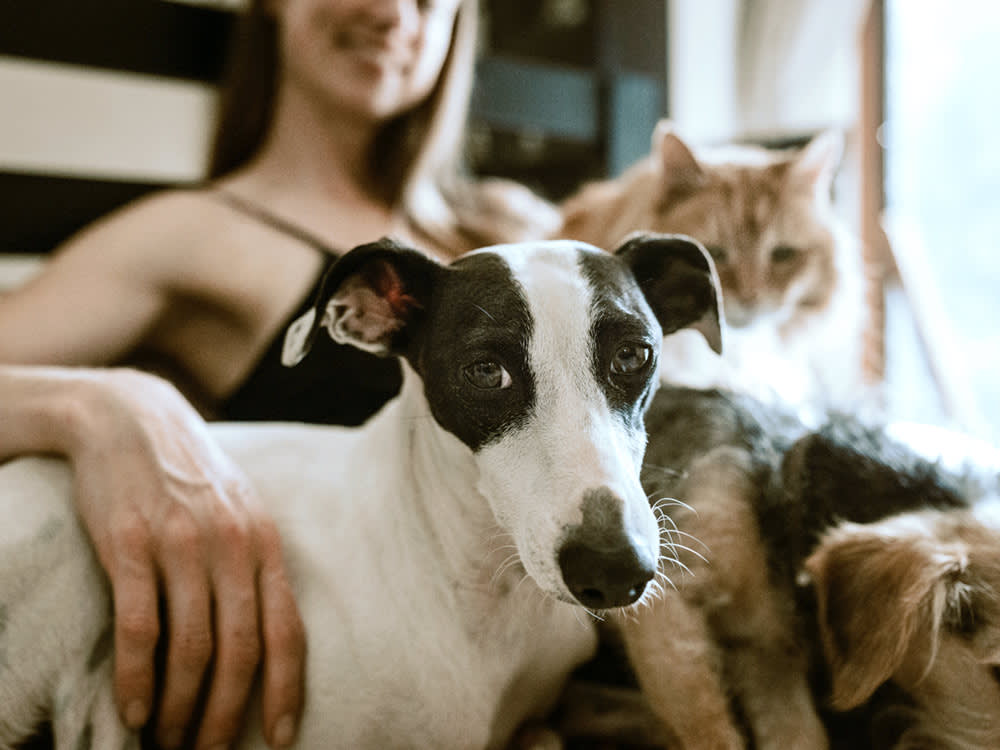
When the hotelier Leona Helmsley left a reported $12 million in trust for her Maltese, Trouble, the world laughed. When a Netflix docuseries told the tangled story of a German Shepherd who supposedly inherited a fortune, people rolled their eyes again. Both cases made “pet trust” sound like something for eccentric billionaires.
Here is the reframe: those punchlines quietly did the rest of us a favor. They put a genuinely useful, deeply un-glamorous tool on the map. A pet trust is not about spoiling an animal. It is about answering one uncomfortable question honestly. If you were suddenly gone, or just in the hospital for three weeks, who actually feeds the dog, and how do you make sure they keep doing it?
Denial is not a plan
Most of us would rather think about almost anything other than our own death or incapacity. That is human. But your pet cannot make arrangements for themselves, and “someone will probably take him” is a hope, not a plan. The whole point of end-of-life and emergency planning for a pet is to replace a vague assumption with something written, funded, and legally real.
The good news is that the law has caught up. While the idea of providing for an animal after an owner dies is centuries old, the legal machinery that makes it enforceable is relatively recent, and it now exists in some form in every state.
Do you even need a full trust?
Not necessarily, and a good attorney will tell you so. A formal trust is a genuinely complex instrument. For plenty of people, a simpler route works: leaving a caregiver a set sum along with the pet, an arrangement people make all the time. The job of a specialist is to lay out the options and let you choose, not to sell you the fanciest version.
There are real cases where the trust earns its complexity. Consider a dog with special needs, say one who requires a cart for his hind legs and ongoing medical care. Leaving a dedicated sum in trust can guarantee that money is there for his care, in a way that a casual handoff to family, who might balk at the expense, cannot.
And there is a hard-earned reason not to just assume family will step up. Sanctuary operators who take in animals after an owner dies will tell you bluntly that relatives are not always reliable. A relative’s readiness to take on an animal can quietly fade once the funeral is over, and a pet everyone assumed would be loved forever can be dropped at a shelter within a day. Planning exists precisely because good intentions are not enforceable.
Choosing the people: caregiver and trustee
The single most important decisions in a pet trust are about people, not money. A useful principle from estate planners who specialize in this: name different people as the caregiver, who actually lives with and cares for the animal, and the trustee, who controls the funds. Splitting those roles builds in a check against misuse.
Two more rules that sound obvious but get skipped. First, the specific animal has to be clearly identified, because a vaguely worded trust can be gamed. One cautionary tale from the field: a caregiver kept swapping in look-alike replacement pets for years, drawing the money the whole time, before anyone noticed the animal the trust was actually written for had long since died. Second, and just as basic, confirm that your named caregiver actually agrees to the job. Do not assume. Ask them out loud.
Figure out the number honestly
How much should a pet trust hold? Estate attorneys suggest a straightforward method: estimate an average yearly cost of care, multiply by the pet’s expected remaining lifespan, then add a cushion for contingencies like rising medical bills and the extra needs that come with age. It also helps to leave the trustee and caregiver a detailed information sheet, the intimate, practical stuff. Where the dog likes to be scratched, what the cat will and won’t eat, the whole operating manual only you currently carry in your head.
“The most valuable document you can leave behind is often the least legal one, a plain-language care sheet,” says Dr. Priya Nair. “Medications, feeding quirks, the vet’s number, how your animal signals pain. When a caregiver has that, the transition is far gentler on the pet, and a lot of anxiety and guesswork simply disappears.”
Trusts, wills, and a middle option
What if you skip the attorney and just add a line to a simple will, something like leaving $2,000 to a friend to look after your cat, Biscuit? In most states, that single sentence creates what is called a statutory pet trust, and your state’s default laws then decide who actually controls that money and where Biscuit ends up living. Everywhere else, the law instead spins up a conventional trust structure. It works, but you surrender control over the details. If you want real say over how your animal is cared for, a trust drafted with an experienced estate attorney is the stronger route, and the guiding rule is that whatever you create has to be clear and understandable to both you and your chosen trustee.
There is also a middle instrument worth knowing about: a pet protection agreement, which works roughly the way a power of attorney does, except the person it protects is your animal. It covers the scenario a will ignores entirely, the one where you are alive but temporarily unable to provide care, and it lets you designate someone to step in short-term or permanently. Attorneys who use these often pair them with a “manual of care” and insist the client actually ask the proposed guardian to sign it. That single step surfaces reluctance early. In one attorney’s account, a woman assumed her husband would care for her pet, but when pressed to ask him directly, he admitted he did not want the responsibility, and she named someone else. Better to learn that now than to have your pet learn it later.
The practical checklist
If you are setting one up, estate planners tend to converge on the same fundamentals:
- Caregiver: willing and able, gets along with your pet, plus one or two named alternates.
- Trustee: willing to serve; consider paying them or using a corporate trustee for larger trusts.
- Ownership transfer: the trust should specifically gift the animal into the trustee’s care, along with directions to hand the pet over to the caregiver.
- Standard of living: put it in writing, concretely and in detail, rather than leaving vague wishes.
- Funding: typical setups pair a fixed monthly sum with leeway for surprise costs and reimbursement of expenses; occasional check-ins on the pet in the caregiver’s home are a smart safeguard.
- Leftover funds: think about sending whatever remains to an animal-welfare nonprofit.
The real payoff
Strip away the tabloid stories and a pet trust is simply peace of mind, purpose-built. It tailors to one specific animal’s needs, and it lets you know that if you cannot be there, you have done everything within your power so the back half of their life is as good as the part you got to share. That is not eccentric. That is just love with a signature on it.
The Pet Times is not a law firm, and this is general information, not legal advice. Pet trust rules vary by state, so consult a qualified estate-planning attorney about your own situation.
References
Common questions
Is a pet trust only for wealthy people?
No. A pet trust is about instructions and accountability, not size. Many people fund a modest trust or use a simpler arrangement like leaving a set amount and the pet to a named caregiver. An attorney can help you match the tool to your situation.
What's the difference between naming a caregiver in my will and a pet trust?
A will can pass your pet to someone, but it offers little ongoing control or oversight. A pet trust can set aside funds, name a separate trustee to manage the money, spell out care standards, and even require check-ins on the pet's wellbeing.
Leila Torres leads our Living coverage, from home life and travel to the products and rescue stories that come with sharing a life with animals. She edits and writes across the section, with a soft spot for pieces about the bond between people and their pets.
Meet our experts ↗Keep reading
 Living5 Latinx-Owned Pet Brands Worth Your Money Every Month, Not Just OneLeila Torres · 4 min
 LivingYour Dog Dies and Work Gives You Zero Days Off. That's Starting to Change.Jordan Ellis · 5 min
 LivingThis California Bill Could Force Landlords to Finally Allow PetsMarcus Webb · 6 min
 LivingPeople Don't Surrender Pets Because They Stopped Loving ThemLeila Torres · 8 min
 LivingBroadway Barks Rehomed 2,000 Animals by Hijacking Actors' One Daily BreakNina Vasquez · 4 min
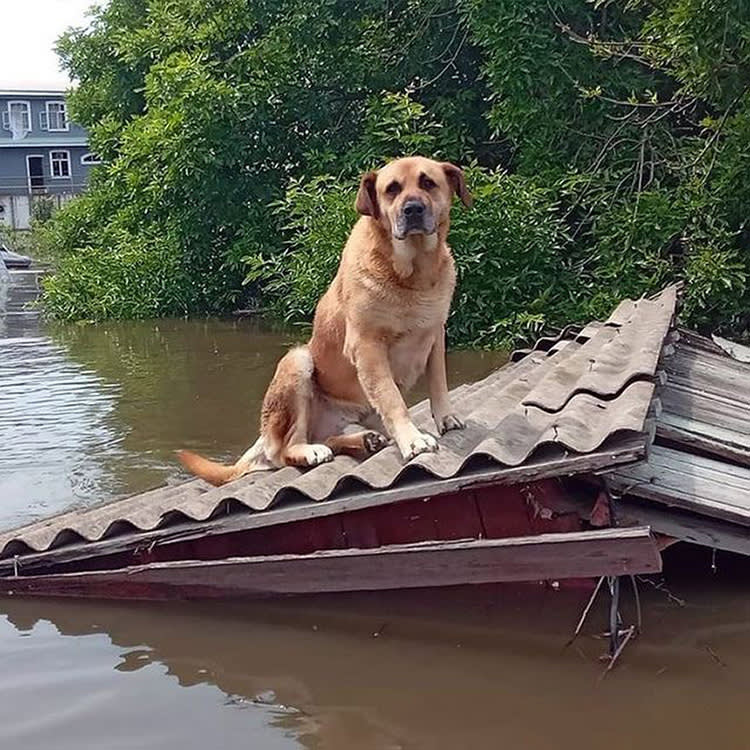 LivingA Dam Broke and the Dogs Went to the Rooftops. Three Years Later, the Water Is Still the Story.Jordan Ellis · 8 min