


Whether Pet Insurance Covers the Vet Depends on One Question: Why Are You There?
The porcupine-quills visit? Covered. The annual checkup? Usually not, unless you bought a wellness add-on. As vet costs climb past 5% a year, here's exactly what standard plans pay for and what they quietly leave out.

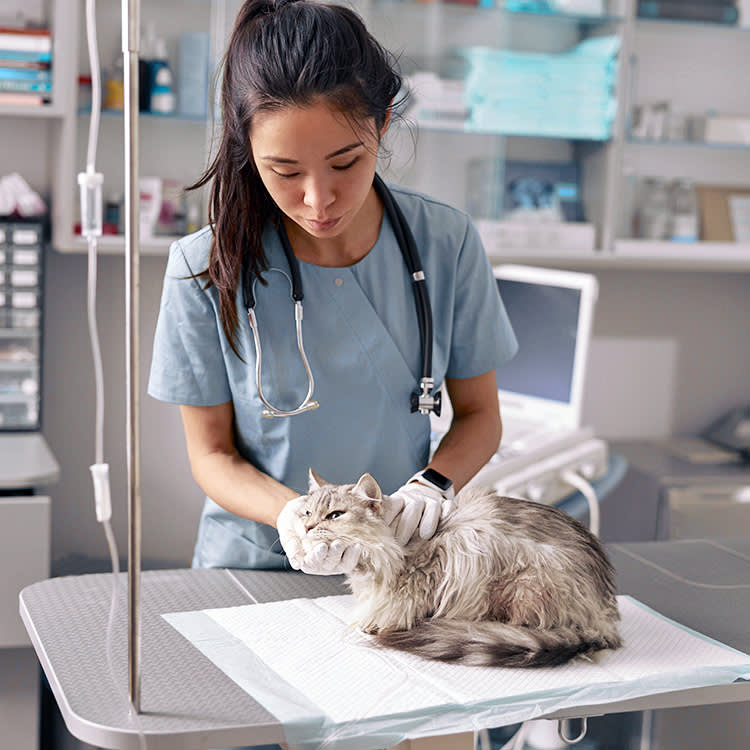
Here is the fastest way to predict whether pet insurance will cover a trip to the vet: ask why you are there. Your puppy swallowed pea gravel and needs an X-ray, or came home full of porcupine quills? Almost certainly covered. You are there for the annual checkup and updated shots? Probably not, unless you specifically bought coverage for it.
That single question, emergency or routine, sorts most of the confusion. And it is worth getting straight now, because the cost of being wrong keeps rising. A standard office exam averages around $100 in some areas before you add lab work, vaccines, diagnostics, and treatment.
What standard plans actually cover
A typical accident-and-illness plan today is built for the unexpected: the accidental injuries, think fractures, swallowed objects, bite wounds, and other trauma, alongside illness and disease, plus the diagnostics, surgeries, and hospital stays those problems lead to. Many also cover euthanasia related to trauma or a diagnosed condition. Prescriptions and specialized diets connected to covered accidents and illnesses are included by many, though not all, plans.
What standard plans typically do not cover on their own: routine wellness exams, vaccinations, flea and tick prevention, dental cleaning, and spay/neuter surgery. Those live in optional add-on wellness plans, sometimes called riders.
The most common misunderstanding I see is people assuming their plan works like human health insurance, where the yearly physical is baked in. With most pet policies, the routine visit is the part you have to add on. The plan is really designed to catch the big, unexpected bills, and it does that well. Just know which kind of coverage you actually bought.
The practical decision: if you can comfortably budget for annual exams and vaccines yourself, a standard plan may be all you need. If you would rather smooth those predictable costs, look at a wellness add-on. And a piece of near-universal advice, buy early. Enrolling while a pet is young and healthy avoids pre-existing-condition exclusions later, when they are most likely to bite.
The visit-by-visit breakdown
Routine visits. The yearly checkup, the shots, the preventive odds and ends: a standard accident-and-illness policy generally pays for none of it. Insurers park that whole category behind an optional wellness plan you buy separately.
Emergency visits. Covered under most policies. Because unexpected accidents and injuries send so many pets to the clinic, this coverage is a big part of why people sign up at all.
Specialist visits. Consultations with cardiologists, dermatologists, neurologists, and the like are typically covered when they are part of diagnosing or treating a covered illness or injury.
One structural advantage over human insurance is worth flagging: most pet plans have no provider networks. They reimburse you for a visit to any licensed vet, specialist, or emergency clinic, wherever you are.
The exclusions that surprise people
Coverage is conditional, and the conditions matter.
Pre-existing conditions. If the problem was already visible, or already named by a vet, on the day your policy started, no insurer in this market will pay for it. There is a partial escape hatch: some carriers treat a curable, short-lived problem (a urinary tract infection, say, or a respiratory bug) as forgivable, and will cover it again once your pet has gone a defined stretch without symptoms. But the broad rule stands, which is the strongest argument for enrolling early.
Policy exclusions. Beyond pre-existing conditions, standard exclusions commonly include pregnancy and breeding, behavioral issues, and bilateral conditions, once one knee gets ACL surgery, the other may be excluded. Elective procedures that aren’t medically necessary, like ear-cropping and tail-docking (both considered controversial by leading veterinary organizations), are excluded too. Some of these, dental cleaning, spaying/neutering, certain therapies, can be added back through wellness add-ons.
Where to compare wellness coverage
If routine care is your priority, several insurers offer wellness plans as add-ons. Terms shift over time, so confirm current details, but the market includes options like MetLife’s preventive-care plan (annual exams, vaccinations, dental cleanings, spay/neuter, with high reimbursement on covered services), AKC’s add-on wellness plan (vaccinations, microchipping, lab tests, parasite prevention), Pets Best’s two wellness tiers, Fetch’s three wellness plans, and Spot’s customizable add-ons. Each caps annual reimbursement differently and varies by state, so read the limits before you assume a plan pays for everything on the brochure.
When insurance isn’t the right fit
Insurance isn’t the only way to manage vet costs. CareCredit is a health-and-wellness credit card that covers vet visits; services like PetAssure offer discounts and reimbursement. Several nonprofits issue grants against veterinary bills, among them The Pet Fund, the Brown Dog Foundation, and the American Veterinary Medical Foundation. Beyond that, it is worth simply asking: a great many practices will structure a payment plan if you raise it. Shelter and community clinics run cheaper by design, and a veterinary teaching hospital will treat your pet at a discount under supervision.
What newer research adds
The numbers behind this decision have moved. The U.S. Bureau of Labor Statistics reported veterinary costs rising more than 5 percent in a recent single year, roughly 1.5 times the overall inflation rate, and surveys found that more than a third of pet owners went into debt over unexpected vet bills in 2024. Industry data puts average accident-and-illness premiums near $62 a month for dogs and $32 for cats, with wellness add-ons averaging around $22 to $24 a month on top. Against steadily climbing care costs, the math on insurance has shifted for more households, though whether it pays off still depends on your specific pet, plan, and finances.
The other durable statistic worth holding onto: roughly one in three pets will need emergency veterinary care during their lifetime. That is the scenario standard insurance is built for, and the reason many families conclude the peace of mind is worth the premium, even in years the policy never gets used.
References
- U.S. Bureau of Labor Statistics. “Consumer Price Index: Veterinary Services.” https://www.bls.gov/cpi/
- North American Pet Health Insurance Association. “State of the Industry Report: Average Premiums.” https://naphia.org/industry-data/section-3-average-premiums/
- American Veterinary Medical Association. “Pet Insurance.” https://www.avma.org/resources/pet-owners/insurance
Common questions
Are there provider networks like human health insurance?
No, and that's a real perk. Most pet insurance plans have no provider networks and will reimburse you for visits to any licensed veterinarian, specialist, or emergency clinic, regardless of location.
What won't pet insurance cover?
Common exclusions include pre-existing conditions, pregnancy and breeding, behavioral issues, bilateral conditions once one side is treated, and elective procedures like ear-cropping and tail-docking. Some exclusions, like dental cleaning and spaying, can be added back through wellness plans.
Not a substitute for your vet. Our guidance is educational. For urgent symptoms, contact a vet or emergency clinic right away. Editorial standards
Leila Torres leads our Living coverage, from home life and travel to the products and rescue stories that come with sharing a life with animals. She edits and writes across the section, with a soft spot for pieces about the bond between people and their pets.
Meet our experts ↗Keep reading
 LivingCharlotte's Two Dogs Are the Most Damning Thing in "Sex and the City"Nina Vasquez · 6 min
 Health & Wellness'You'll Just Know' Is the Cruelest Advice in Pet Care. Ask These 12 Questions Instead.Dr. Lena Park · 10 min
 Health & WellnessCan't Afford the Vet Bill? Don't Panic-Post a GoFundMe YetMarcus Webb · 8 min
 Health & WellnessYour Vet Might Answer Your Email. Here's How Not to Get Ignored.Dr. Lena Park · 6 min
 Health & WellnessYou and Your Dog Are Swapping Microbes. It Might Be Good for Both of You.Dr. Mara Chen · 6 min
 Health & WellnessMoney Doesn't Keep Your Dog Healthy. Company Does.Dr. Mara Chen · 6 min