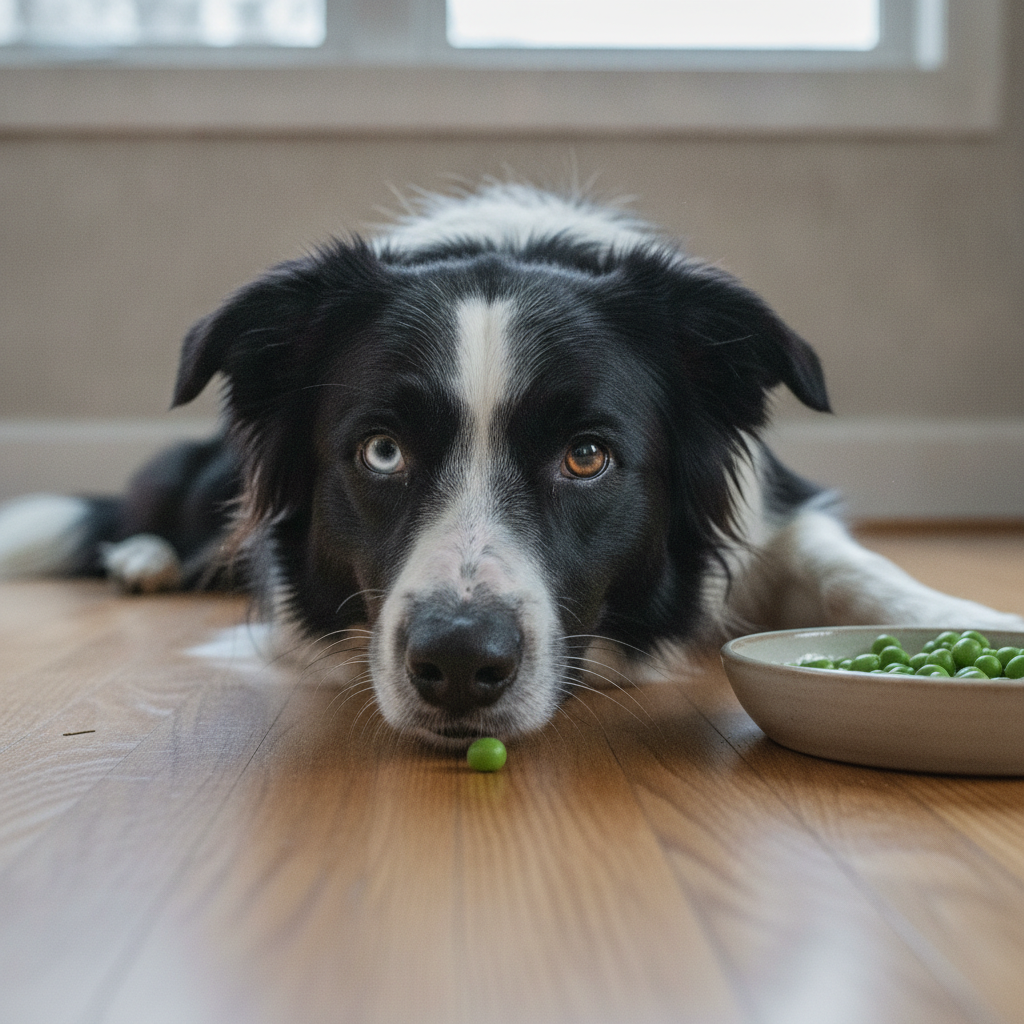


Offer a dog a slice of lemon and you’ll usually get the same performance: a deep sniff, a wrinkled nose, a full-body retreat. It looks like comedy. It’s actually chemistry. Dogs are wired to reject the smell of citrus, and in the lemon’s case, that instinct is protecting them from a fruit that has nothing good to offer them and several genuinely harmful compounds to deliver.
So the short answer to “can dogs eat lemons” is no, and the more interesting answer is that your dog probably already voted no. The real job for you isn’t policing the fruit bowl. It’s knowing where lemon sneaks into your home in forms your dog can’t smell coming.
The lemon is a chemical package, and dogs can’t process it
Lemons belong to the Rutaceae family of citrus plants. For humans, they’re a low-calorie hit of vitamin C and antioxidants, which is why lemon water has a permanent spot in wellness culture, with fans citing digestion support, iron absorption, and heart health. None of that transfers to dogs. Dogs synthesize their own vitamin C, so the lemon’s one big selling point is something your dog’s liver already manufactures for free.
What dogs get instead is the lemon’s defense system. Four compounds concentrated in the rind and juice cause real problems in dogs:
-
Psoralen. A plant compound that causes phototoxicity in dogs, meaning skin reactions triggered by light exposure, along with GI irritation.
-
Linalool. The essential oil behind that bright citrus fragrance. In dogs, ingesting it can lead to toxicity and liver damage.
-
Limonene. Another citrus oil, common enough as an insecticide ingredient that it appears in some flea products at controlled doses. Eaten in fruit form, it can trigger vomiting.
-
Citric acid. Harmless to us, but in dogs even small amounts can irritate the stomach lining, and large amounts can progress to inflammation of the central nervous system.
“The lemon’s flesh won’t poison a dog outright, but there’s no version of this fruit I’d hand over on purpose,” says Dr. Priya Nair. “Every part of it, from juice to rind, is built to irritate a dog’s system, and the peel adds a blockage risk on top of the chemistry.”
Rank the parts by risk
Not every piece of a lemon is equally dangerous, and that ranking matters when your dog helps themselves.
The flesh is the mildest offender. It isn’t classified as toxic, but the concentrated juice can cause vomiting, diarrhea, and general stomach upset. A stolen lick is usually a watch-and-wait situation, not an emergency.
The juice is worse than the fruit, not better. It concentrates the citric acid without any of the fiber, which makes stomach irritation more likely.
The peel is the serious one. The rind carries psoralen, linalool, and limonene together, and it adds a second, mechanical hazard: a swallowed chunk of rind doesn’t break down easily and can cause an intestinal blockage, which is a surgical emergency. Seeds and rind pieces are also choking hazards.
If your dog gets into lemons, watch for vomiting, diarrhea, lethargy, or anything neurological like wobbliness or unusual light sensitivity. For a small taste of flesh, monitor at home. For rind, seeds, or any significant quantity, call your vet or the Pet Poison Helpline, and treat difficulty breathing or sudden collapse as an immediate emergency.
The citrus risk isn’t really in your fruit bowl
Here’s the part the classic “can dogs eat lemons” answer misses: most dogs will never eat a lemon, because their nose says no. The same compounds that make lemons risky, though, show up around the house in forms that bypass the sniff test.
Linalool and limonene are workhorses of home fragrance. They’re in citrus-scented cleaners, liquid potpourri, and especially essential oil diffusers. The ASPCA and Pet Poison Helpline both flag active diffusers, the ultrasonic and nebulizing kind, as a particular concern, because they throw actual microdroplets of oil into the air. Those droplets settle on a dog’s coat, and the oil gets absorbed through skin or swallowed during grooming. A dog who would never touch a lemon wedge can still end up ingesting lemon oil off their own fur.
The sensible middle ground, per the ASPCA: if you love your citrus diffuser, run it briefly in a room your dog can’t access, and skip it entirely for dogs with breathing problems. Store concentrated oils where a curious mouth can’t reach them, because bottled essential oil is a far more concentrated dose than any fruit.
And one more modern hazard: the internet’s long-running “dog tries lemon” prank genre. Filming a dog recoiling from citrus might seem harmless, but deliberately feeding lemon to an animal whose body can’t handle it, for content, is a bad trade. Your dog’s disgust is the system working.
What to hand over instead
Your dog’s citrus aversion doesn’t mean fruit is off the table. Plenty of options are genuinely safe in moderation:
-
Peaches bring antioxidants and fiber that support digestion. Remove the pit, stems, and leaves first, since those contain cyanide-producing compounds.
-
Watermelon is low-calorie hydration with a bonus of lycopene, a powerful antioxidant.
-
Bananas deliver magnesium, fiber, and potassium, though their sugar content means small portions.
The citrus family’s dark side extends past lemons, so keep the pattern in mind. Orange peels carry the same problem oils, and the fruit is sugary enough to be an issue for some dogs. Grapes are an absolute never, linked to acute kidney failure, likely via their high tartaric acid. Avocado isn’t formally toxic, but it reliably produces vomiting and diarrhea, so it’s not worth it.
Whatever you share, keep the ratio honest: treats of any kind should stay under 10 percent of your dog’s daily intake, with the rest coming from a complete and balanced dog food. And run new foods past your vet first, especially for dogs with existing health conditions.
What newer research adds
The freshest development in this corner of pet safety isn’t about the fruit at all. It’s about the air. As home fragrance has boomed, veterinary toxicologists have updated their guidance on essential oil diffusers, and citrus oils sit squarely on the caution list. Pet Poison Helpline’s current guidance distinguishes passive diffusers, like reed sticks, which mainly pose a respiratory irritation risk, from active diffusers that aerosolize oil and create a fur-contamination and ingestion route.
The practical takeaway for a lemon-loving household: your dog is far more likely to encounter harmful citrus compounds through a diffuser, a countertop cleaner, or a spilled oil bottle than through the fruit itself. Keep diffuser sessions short and separated from your dog, and call your vet or the ASPCA Animal Poison Control Center at (888) 426-4435 if your dog is exposed.
References
- ASPCA Toxic and Non-Toxic Plants: Lemon
- ASPCA: The Essentials of Essential Oils Around Pets
- Pet Poison Helpline: Updates on Essential Oils
- VCA Animal Hospitals: Essential Oil and Liquid Potpourri Poisoning in Dogs
- National Library of Medicine, PubChem: Linalool
- Frontiers in Veterinary Science: Indoor Companion Animal Poisoning by Plants in Europe