


Your Kitten Isn't Starving. Weigh Them Every Week.
A screaming kitten is not evidence of anything. A kitchen scale is. Here's the number that tells you whether you're feeding enough, too much, or feeding a parasite.

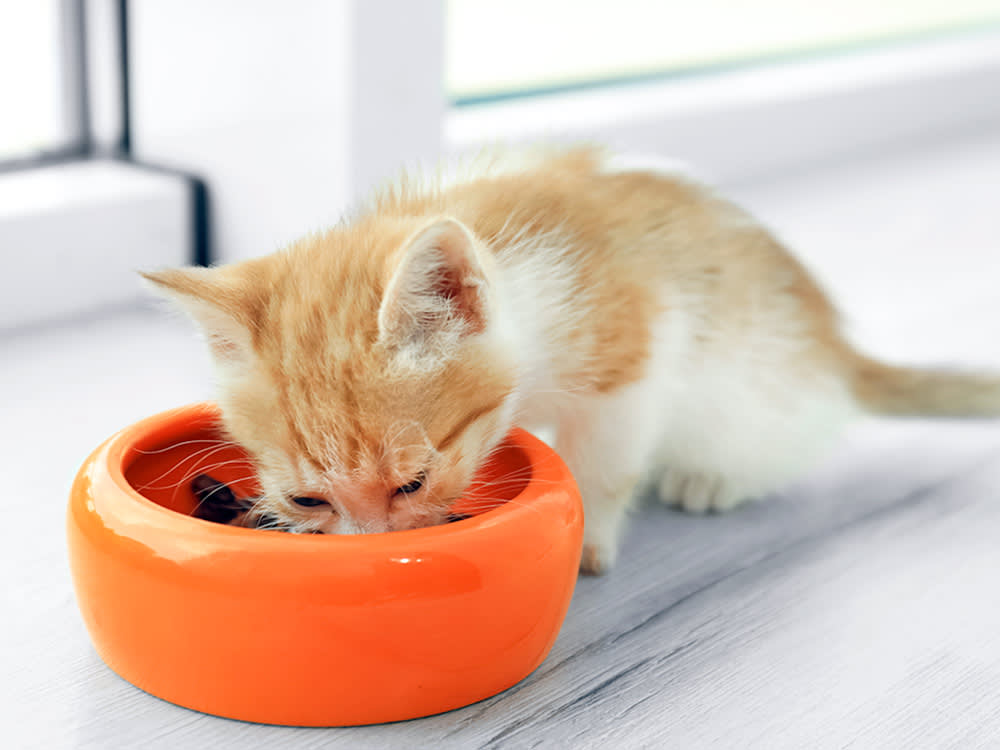
Somewhere in the world right now, a four-pound animal is screaming at a closed cupboard as if it has never eaten in its life. It ate ninety minutes ago.
The temptation is to argue with the kitten. Don’t. Kittens are not reliable narrators of their own hunger, and the bowl is a terrible instrument. Buy a kitchen scale instead. It answers, in about fifteen seconds a week, the only question that actually matters: is this kitten growing the way a kitten should?
The number: about 100 grams a week
A healthy, growing kitten gains roughly 100 grams (about 3.5 ounces) per week, or about 10 grams a day, through the early months. That’s the benchmark shelters and foster programs run on, and it’s the one that turns a vague worry into a yes or a no.
How to use it:
- Get a digital kitchen scale that reads in grams.
- Weigh your kitten on the same day each week, ideally at the same time, before a meal.
- Write the number down. On paper, in your phone, anywhere you’ll keep it.
Steady weekly gain plus a kitten who finishes meals and then goes back to being a lunatic means you’re feeding enough. That’s the whole test, and it beats every opinion you’ll get from the internet, including from the kitten.
A stalled or falling weight is the flag. A kitten who eats a full portion and does not gain is not overeating. They’re losing the calories somewhere, and the vet needs to know.
The bowl tells you what a kitten wants. The scale tells you what they’re getting. When a foster calls me worried, the first thing I ask for is last week’s weight and this week’s weight. If the line is going up on schedule, the yelling is just personality.
Why the appetite is real
Kittens aren’t being greedy. They’re running a construction project.
- Metabolism. Pound for pound, a kitten under about four months can need two to three times the calories an adult cat does, because the food isn’t just maintaining a body, it’s building one. That demand tapers as they hit milestones like four months of age, and again after spaying or neutering.
- Activity. Kittens play hard and sleep hard, and the play is genuinely expensive. That energy burn drops as they mature and their idea of a good time shifts toward napping in a sunbeam.
- Growth. The first year does most of the work. Feeding correctly through it sets up the adult cat.
So a bottomless appetite in a young kitten, on its own, is normal. It becomes interesting only when the scale disagrees with it.
The three hungers that aren’t growth
Parasites. Intestinal worms are common in kittens and can leave a kitten hungry, poorly grown, or pot-bellied despite eating well. A few kinds are visible in the litter box, showing up as pale threads or as small rice-like segments. Most are not, and need a microscope. Bring a stool sample to the first vet visit, and to the follow-ups. This is the single most common reason a kitten eats well and doesn’t gain.
Competition. Kittens can get possessive or pushy about food, especially in a house with other cats, dogs, or small children. A kitten who eats fast and frantically may be defending a resource rather than starving. Feed them somewhere they can’t be crowded, ideally a separate room with the door shut, and watch the panic drain out of mealtime.
Speed. The kitten who inhales the bowl and vomits it back up two minutes later has an eating-rate problem, not a hunger problem. Split the same portion into smaller amounts offered over twenty to thirty minutes, or use a bowl designed to slow eating down. If that doesn’t fix it, tell your vet, because persistent vomiting after meals can point to something bigger, including a food intolerance.
One reassurance: in kittens, illness far more often kills the appetite than inflates it. The medical conditions that famously make a cat ravenous, like hyperthyroidism, are diseases of older cats. In a kitten, the appetite is usually the healthiest thing in the room.
How much, how often
- Newly weaned, around six weeks: feed roughly every four to six hours across the day.
- Growing on: the frequency drops as they mature. Most older kittens and adults land on twice daily, or grazing across the day if no other animal is guarding the bowl.
Follow the feeding guide on the bag for your kitten’s age and weight, then let the weekly weight tell you whether to adjust. A kitten fed correctly should be hungry at mealtime and satisfied afterward.
Read the label, not the marketing
This is where a lot of well-meaning kitten owners go wrong.
- Feed a diet formulated for growth. Look on the bag for the AAFCO nutritional adequacy statement, and check that it says the food is complete and balanced for growth (or for all life stages), not for maintenance. “Maintenance” means adult cat. Skip anything labeled as supplemental or intended for intermittent feeding, which is not built to be a whole diet.
- No home-cooked or vegetarian diets. Cats are obligate carnivores. They need nutrients that come from animal tissue, and improvised diets can cause serious, sometimes fatal deficiencies. This is not a preference. It’s biochemistry.
- When in doubt, ask your vet. Especially if you’re mixing brands, textures, or feeding a kitten with a health history.
When to call the vet
Sooner than you think, and definitely if you see:
- A kitten eating the recommended amount who isn’t gaining weight
- Vomiting or diarrhea
- Low energy, hiding, or a kitten who stops playing
- A picky appetite or a kitten who stops eating (in a kitten, going off food is an urgent problem, not a mood)
- A pot-bellied look, a dull coat, or visible worms
Kittens should be seen every few weeks until about six months old anyway. Bring the weight log to those visits. It’s the most useful thing you can hand a vet.
What newer research adds
The practical advance here isn’t a new food, it’s the normalization of home weighing. Shelter and foster medicine has spent the last decade proving that a weekly gram-scale weight catches problems, fading kittens, parasite loads, poor nutrition, days before anything looks wrong to the eye, and that guidance has moved into pet homes. The reference charts published by groups like ASPCA Pro track kittens week by week, and you can plot yours against them for free.
The second shift is in how vets talk about the end of kittenhood. Growth foods are energy dense on purpose, and staying on one past the point of growth is a common route to an overweight young adult cat. Ask your vet at the spay or neuter visit when to transition, and expect the calorie need to fall noticeably afterward. The kitten will not agree with this decision.
References
- ASPCA Pro. “Kitten Progression: At-a-Glance (Weight Chart).” https://www.aspcapro.org/sites/default/files/2023-08/aspca_kittenchart_2023.pdf
- Cornell Feline Health Center. “Feeding Your Cat.” Cornell University College of Veterinary Medicine. https://www.vet.cornell.edu/departments-centers-and-institutes/cornell-feline-health-center/health-information/feline-health-topics/feeding-your-cat
- Association of American Feed Control Officials. “Selecting the Right Pet Food: Reading Labels.” https://www.aafco.org/consumers/understanding-pet-food/
- American Animal Hospital Association. “AAHA Nutrition and Weight Management Guidelines for Dogs and Cats.” https://www.aaha.org/resources/2021-aaha-nutrition-and-weight-management-guidelines-for-dogs-and-cats/
Common questions
At what age do kittens stop eating so much?
Calorie needs generally start tapering around four months, and drop again after spaying or neutering. Most kittens shift from three or four meals a day to two by around six months.
Why is my kitten hungry all the time?
Because they're building a cat. Kittens under four months can need two to three times the calories of an adult cat, pound for pound, and they burn a lot of it in ninety-second bursts of chaos.
Will a kitten stop eating when they're full?
Some will. Others will eat until they throw up, then look at you like you did it. If yours is in the second group, measure the food and slow the eating down rather than trusting self-regulation.
Not a substitute for your vet. Our guidance is educational. For urgent symptoms, contact a vet or emergency clinic right away. Editorial standards
Dr. Nair is a veterinarian focused on diet and feeding. She covers everyday nutrition, treats, and the many "can they eat this?" questions owners ask, grounding each answer in what is actually safe and sensible for dogs and cats.
Meet our experts ↗Keep reading
 FoodA Kitten Can Eat Wet Food at Four Weeks. That Doesn't Mean They Can Leave.Dr. Amara Solis · 10 min
 FoodThat Saucer of Milk Could Land a Kitten in the ER. What to Feed Instead.Dr. Amara Solis · 5 min
 FoodWhen a Kitten Can Eat Dry Food, and the Tradeoff Nobody MentionsDr. Amara Solis · 8 min
 FoodThe Real Kitten-Food Problem Isn't a Stolen Bite. It's the Shared BowlDr. Amara Solis · 7 min
 FoodWet Food Beats Kibble. That Doesn't Mean All-You-Can-Eat.Dr. Mara Chen · 6 min
 FoodForget the Clock: Build Your Cat's Feeding Schedule From Calories, Not Meal TimesDr. Mara Chen · 7 min