


Hydrangeas and Cats: The Real Risk Is a Stomach Ache, Not Cyanide
Hydrangeas land on a lot of 'deadly to cats' lists, but the everyday reality is milder than the scary version. Here is what the toxin actually does, and why bitterness usually saves the day.

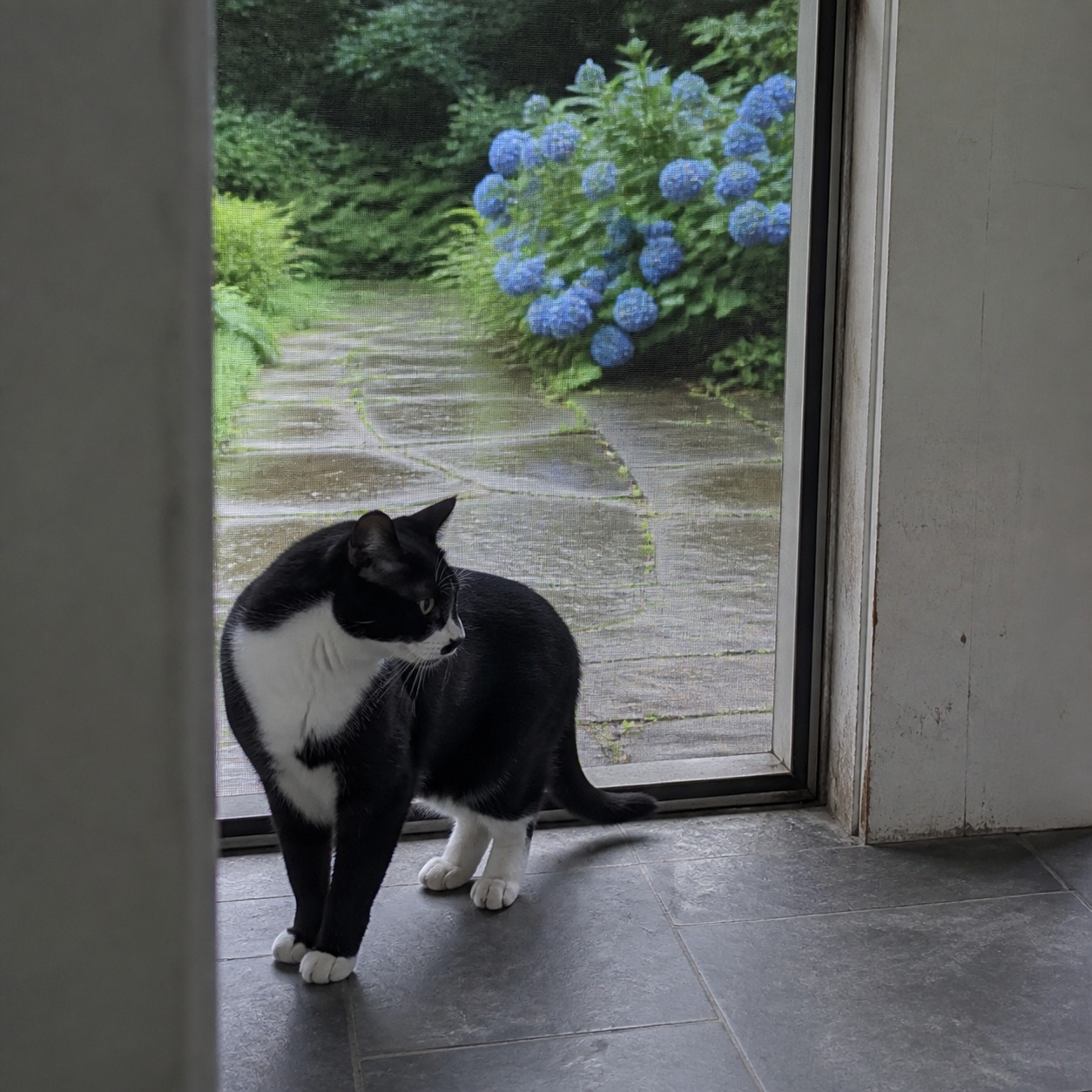
Hydrangeas show up on nearly every “plants that can kill your cat” list, usually with the word cyanide attached, and that pairing scares people into thinking a single chewed leaf is a death sentence. It is worth knowing the truth, because the truth is both calmer and more useful. Hydrangeas are toxic to cats, yes. But the everyday risk is a bad stomach, not a cyanide crisis, and understanding why changes how worried you actually need to be.
This is one of those topics where the scary headline and the realistic outcome live pretty far apart. So let’s put them in the right order: what the toxin really is, why serious poisoning is rare, and what to do when your cat treats your centerpiece like a salad.
What the toxin actually is
The danger in a hydrangea comes from a class of compounds called cyanogenic glycosides, specifically amygdalin and hydrangin, which are found throughout the plant. The name is the whole mechanism: these compounds can release cyanide when the plant tissue is damaged, which is exactly what happens when a cat bites and chews.
Cyanide is genuinely dangerous. It interferes with the body’s ability to use oxygen at the cellular level, and it acts fast. That is the kernel of truth behind every alarming hydrangea warning you have read.
“The chemistry is real, and I don’t want anyone to shrug it off,” says Dr. Amara Solis, a veterinarian who contributes to Pet Times. “But the dose makes the poison. A cat would have to eat a meaningful amount of a plant they find unpleasant for cyanide to become the story. In a typical ‘I caught her chewing a leaf’ situation, the realistic problem is an irritated gut, not cyanide.”
Why severe poisoning is rare (thank the bitterness)
Here is the reassuring part the “deadly plant” lists tend to leave out. Hydrangeas taste bad. The plant is bitter, and bitterness is nature’s own deterrent. Most cats take an exploratory nibble, decide it is awful, and walk away long before they have eaten enough to release a dangerous amount of cyanide.
That built-in brake is why veterinary poison cases from hydrangea overwhelmingly look like vomiting and diarrhea rather than collapse. The cat’s own palate usually stops the problem at “stomach ache.”
The catch, and it is a real one, is that this safety margin depends on the cat choosing to stop. A determined chewer, a bored indoor cat with nothing better to do, or a small kitten who eats more relative to their body size can override the bitterness brake. So “usually mild” is not the same as “never serious,” and the amount eaten is the variable that decides which one you are dealing with.
What you’ll actually see
If your cat eats hydrangea, the common, expected signs are gastrointestinal:
- Drooling or nausea
- Vomiting
- Diarrhea, which may contain blood
- Abdominal pain or tenderness
- Lethargy
These are unpleasant but generally manageable. The rare signs that mean true cyanide trouble, and an immediate emergency, are different in character:
- Rapid or labored breathing
- Bright cherry-red gums
- Sudden weakness, stumbling, or collapse
If you see that second set, do not wait and watch. That is a get-to-the-vet-now situation. For the first set, watchful care plus a phone call is the right speed.
What to do if your cat eats one
- Remove the plant or move your cat away from it so they cannot keep eating. More plant means more risk.
- Note the amount. “One torn leaf” and “she demolished the bouquet” lead to very different conversations with your vet.
- Call for guidance. Phone your veterinarian or the ASPCA Animal Poison Control Center at (888) 426-4435 (a consultation fee may apply). They will help you judge whether home monitoring or a clinic visit is appropriate based on the amount and your cat’s signs.
- Do not induce vomiting yourself unless a vet or poison control specialist directs you to.
Treatment, when it is needed, is usually straightforward supportive care: anti-nausea medication, anti-diarrheal medication, and fluids to keep your cat hydrated. Severe cases may get bloodwork, closer monitoring, or hospitalization, but those are the exception, not the rule.
Keeping hydrangeas and cats apart
The cleanest solution is the obvious one: do not bring hydrangeas, potted or cut, into a home with a cat. That removes the question entirely. Cats are athletic and curious, so “I’ll just put it up high” is a weaker plan than it sounds; a determined cat treats a high shelf as a destination, not a deterrent.
If you love greenery and want it indoors without the worry, build from a cat-safe list instead:
- Orchids (Orchidaceae): safe and elegant.
- Spider plant (Chlorophytum comosum): hardy, air-cleaning, and non-toxic.
- Rattlesnake plant (Goeppertia insignis): a cat-safe way to get that lush, tropical look without the danger of a snake plant.
- African violet (Saintpaulia ionantha): cheerful color, no risk.
The bottom line is proportion. Hydrangea earns a spot on the caution list, but it belongs in the “stomach upset, call your vet” tier far more than the “cyanide emergency” tier its reputation suggests. Keep the plant out of reach, know the difference between GI signs and the rare red flags, and you can hold both facts at once: hydrangeas are toxic to cats, and a chewed leaf is usually a bad afternoon rather than a tragedy.
References
- “Are Hydrangeas Poisonous to Cats?” PetMD. https://www.petmd.com/cat/poisons/are-hydrangeas-poisonous-to-cats
- “Hydrangea.” ASPCA Toxic and Non-Toxic Plants. https://www.aspca.org/pet-care/animal-poison-control/toxic-and-non-toxic-plants
- “Animal Poison Control.” ASPCA. (888) 426-4435. https://www.aspca.org/pet-care/animal-poison-control
Common questions
Can a hydrangea kill a cat?
Severe, life-threatening cyanide poisoning from hydrangea is possible in theory but uncommon in practice, because the plant tastes bitter and most cats stop after a bite or two. The far more likely result is stomach upset. The danger rises with the amount eaten, so a cat that consumes a large quantity, or a small kitten, warrants prompt veterinary attention.
Which part of the hydrangea is most toxic?
The toxic compounds are present throughout the plant, with the leaves and flower buds often cited as the most concentrated. There is no safe part to let your cat eat, so the practical rule is to keep the whole plant, cut blooms included, away from your cat.
What are the signs my cat ate hydrangea?
Watch for drooling, nausea, vomiting, diarrhea (which may contain blood), abdominal pain, and lethargy. Rare severe cyanide signs would include rapid breathing, bright-red gums, weakness, or collapse, which are emergencies. If you see any severe signs, treat it as urgent and get to a vet immediately.
What should I do if my cat eats a hydrangea?
Remove the plant, note how much your cat ate, and call your veterinarian or the ASPCA Animal Poison Control Center at (888) 426-4435. Most cases are managed with supportive care like anti-nausea medication and fluids. Do not induce vomiting on your own unless a professional tells you to.
Not a substitute for your vet. Our guidance is educational. For urgent symptoms, contact a vet or emergency clinic right away. Editorial standards
Dr. Kohl is a board-certified veterinary dentist with a particular interest in preventive oral care. She reviews all dental health content at The Pet Times and contributes practical guides on home dental routines, professional cleaning, and oral disease prevention.
Meet our experts ↗Keep reading
 LivingWhether a Cat Tolerates Water Is a Coat Question, Not a Willpower OneDr. Ravi Mehta · 8 min
 Health & WellnessYour Cat Isn't Being Weird. Plastic Bags Smell Like Food.Dr. Mara Chen · 7 min
 Health & Wellness45 Degrees Is the Number That Should Bring Your Cat InsideDr. Nina Kohl · 7 min
 FoodYour Cat Ate a Cockroach. The Bug Isn't the Problem. What's on It Is.Dr. Priya Nair · 5 min
 Health & WellnessCat Scratch Fever Isn't a Rock Song. It's a Real Infection (You Still Don't Need to Panic).Dr. Nina Kohl · 5 min
 Health & WellnessYou're Decorating Your Cat's World With Smells It Can't StandDr. Lena Park · 6 min