


Your Dog's Attention Is a Bank Account, Not a Personality Trait
Stop wondering whether your dog 'just isn't focused.' Attention is a currency you deposit and spend, and there are concrete ways to grow the balance, even with the most nose-to-the-ground dog.

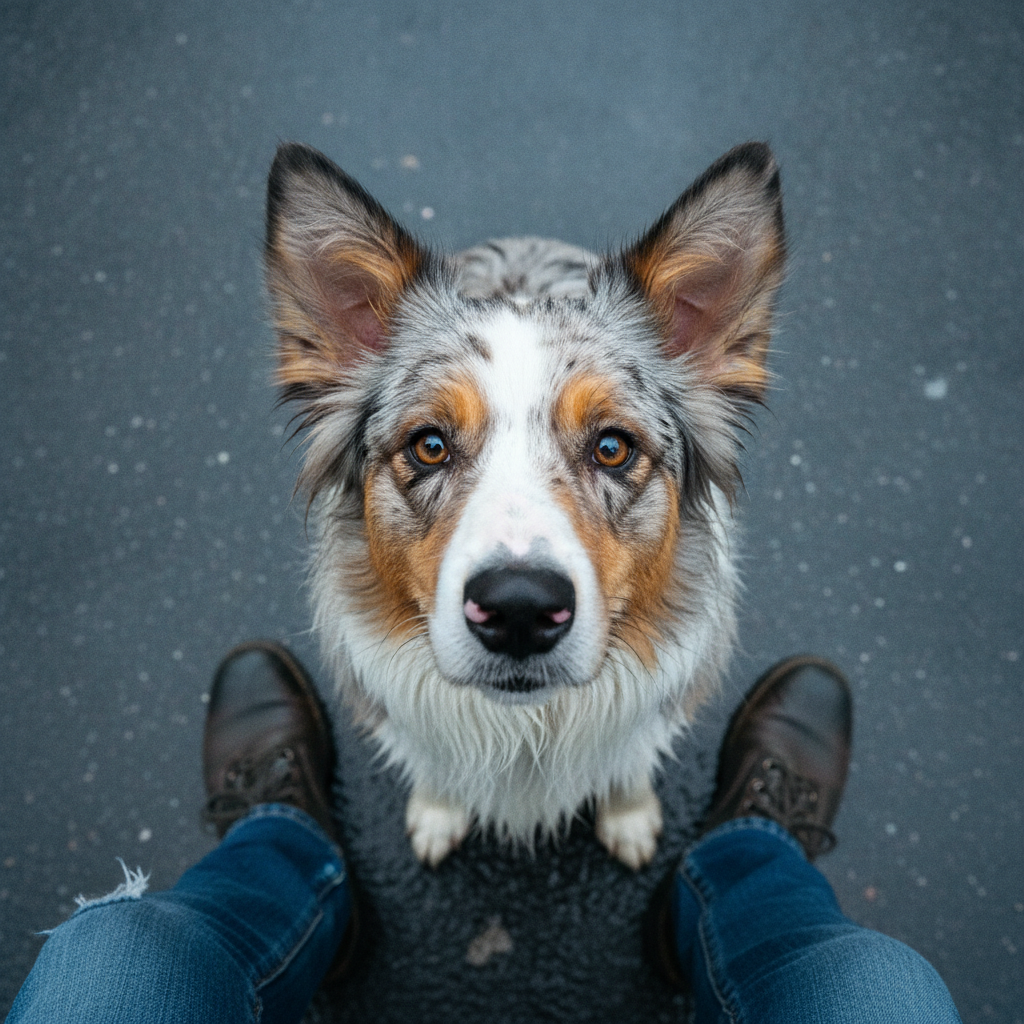
People come to me convinced their dog has an attention problem the way a person might have brown eyes, fixed, innate, nothing to be done. “She just isn’t focused.” “He tunes me out the second we step outside.” After years of this work, I have come to think that framing is the single biggest obstacle to fixing it. Attention is not a trait your dog either has or lacks. It is closer to a bank account: you make deposits, the balance grows, and you spend it when you need it. The dog who “won’t pay attention” usually has an empty account, not a broken one.
That reframe changes everything about what you do next. You stop diagnosing your dog’s character and start asking a far more useful question: how do I get more into the account, and how do I spend it wisely? This piece is about both.
Why some dogs start with a bigger balance
It is true that dogs come pre-loaded differently. Some are velcro dogs who orbit you by nature. Others are nose-to-the-ground specialists for whom the world’s smells will always outbid you, and a few are independent operators who genuinely prefer their own company. If your dog is in the second or third group, that is not a verdict on your relationship and it is certainly not a failure on your part. Plenty of people prefer a dog with an inner life over one that stares at them waiting to be entertained.
But here is the part that surprises people. Many of those “distracted” environmental dogs are actually tracking you closely without ever making eye contact. Owners of these dogs often notice that their pup somehow always knows where they are on a walk, even while apparently obsessed with a hedge. The attention is there. It is just not pointed at your face, because in that moment the dog’s chosen currency is information about the environment, not interaction with you. The relationship shows up in other ways, at other times, and that is fine.
How you make deposits
Every account grows the same way: you become the reliable source of the things your dog values. If you are the origin of the food, the games, the walks, the chase, the belly rubs, then attention tends to follow as a side effect. You are not bribing your dog into focus. You are building a track record that makes paying attention to you a consistently good bet.
There is also something less measurable at work. Some humans and dogs simply click, an easy, hard-to-name chemistry that does a lot of the work for you. You cannot manufacture that, but you can stack the deck by being the most rewarding thing in your dog’s day. A weak or strained relationship has the opposite effect: a dog who is not getting much from you will go bank their attention elsewhere.
How you spend it: putting attention on cue
Deposits build a balance. A cue is how you withdraw it on demand. The two workhorses are “watch” and your dog’s name.
“Watch” means “look at my face.” It is your interrupt button, the thing that pulls a dog off a trigger before the trigger takes over. Your dog’s name means “turn toward me and wait for what’s next.” Crucially, both have to be taught as skills, not assumed. For most dogs, holding focus on you in the middle of an interesting world is a genuinely advanced behavior, on par with a hard trick, and it has to be built that way. A few dogs pick it up almost instantly. Most need consistent reps over weeks before the response is reliable, and that is normal, not slow.
The mechanism behind a cue that holds is reinforcement, and the research is unambiguous about which kind to use. Reward-based training does not just produce more reliable responses; a judgment-bias study in Scientific Reports found that dogs trained with aversive methods were measurably more pessimistic than reward-trained dogs. When your dog looks at you on “watch” and good things happen, a treat, a toss of the ball, permission to go sniff that fence, you are not just getting compliance. You are making the next withdrawal easier. Punishing a dog for failing to focus does the reverse: it drains the account and sours the relationship the account is built on.
Spend where it is cheap, then where it is expensive
Attention is not equally available everywhere. Indoors with nothing happening, withdrawals are cheap; your dog has little else to spend on. In a park full of squirrels and other dogs, the same withdrawal costs far more, because you are now competing with the most exciting things in your dog’s universe. The mistake is testing a brand-new cue in the most expensive environment and concluding your dog “can’t” do it.
Work the gradient instead. Nail “watch” in the kitchen, then the yard, then the quiet sidewalk, then the busy one, then the park. Each step up is a slightly bigger withdrawal, and you only attempt it once the balance can cover it. Drop back a level the moment your dog stalls. This is the single most reliable path to a dog who focuses in the chaos, and it is almost entirely a matter of patience rather than talent.
The check-in game: building spontaneous attention
Cued attention is one thing. The holy grail is a dog who voluntarily keeps tabs on you, who can sniff and romp and still glance back now and then. You can teach this, and it is one of my favorite exercises.
In a safe, enclosed space where your dog can roam off leash, let them get fully absorbed in their own world. When they are completely ignoring you, quietly position yourself so you can see them but they cannot easily see you. The instant they look up and seem a touch concerned about where you went, call them, then reward generously for finding you. You are teaching a simple lesson: keeping track of me pays off, and losing track of me is briefly unsettling.
One important caveat, because it is easy to do this badly. This only works with dogs who are securely connected enough to care when you briefly vanish, and it is genuinely unkind to pull on a clingy, anxious dog. If your dog gets stressed, step right back into view and reward them for coming anyway. Used well, on a stable dog, it sharpens recall and deepens the connection that funds every other deposit.
What you can and cannot change
Be honest with yourself about the ceiling. All the training in the world will not turn an aloof, independent dog into a velcro dog, and it will not make a scent hound stop loving smells. That is not the goal. The goal is two specific, achievable things: a dog who reliably responds to “watch” and to their name, and comes when called, the cued withdrawals; and a richer overall relationship that raises your dog’s baseline interest in you, the deposits. Both are within reach for essentially every dog. You are not rewriting your dog’s nature. You are growing the balance and learning to spend it well.
References
- Casey, R. A., et al. “Dogs Are More Pessimistic if Their Owners Use Two or More Aversive Training Methods.” Scientific Reports, 2021. https://www.nature.com/articles/s41598-021-97743-0
- Vieira de Castro, A. C., et al. “Does Training Method Matter? Evidence for the Negative Impact of Aversive-Based Methods on Companion Dog Welfare.” PLOS ONE, 2020. https://journals.plos.org/plosone/article?id=10.1371/journal.pone.0225023
Marcus Webb writes about the gear, gadgets, and everyday choices that make life with a pet easier. His coverage runs from product picks to training and the causes worth paying attention to, always with an eye on what actually earns a place in your home.
Meet our experts ↗Keep reading
 TrainingStop Punishing Your Puppy. It's Backfiring.Dr. Amara Solis · 9 min
 First DaysThe Simple Math That Ends Puppy Potty AccidentsDr. Lena Park · 6 min
 TrainingFreezing While Your Dog Dawdles? Stop Begging and Set the SceneJordan Ellis · 8 min
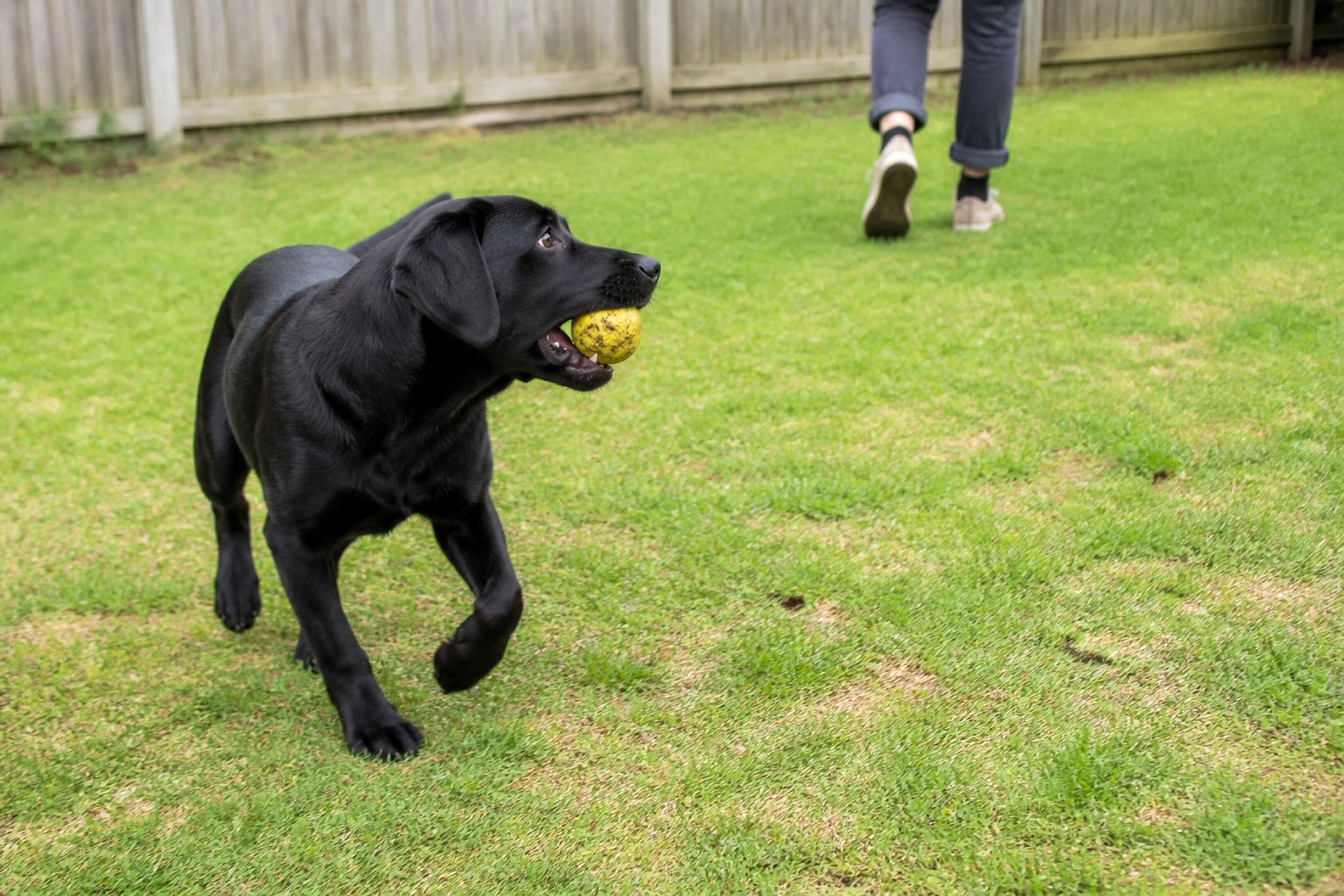 TrainingStop Chasing Your Dog. That's Why Fetch Isn't Working.Jordan Ellis · 9 min
 TrainingPointing at Your Dog Doesn't Work. Pointing and Staring Does.Jordan Ellis · 5 min
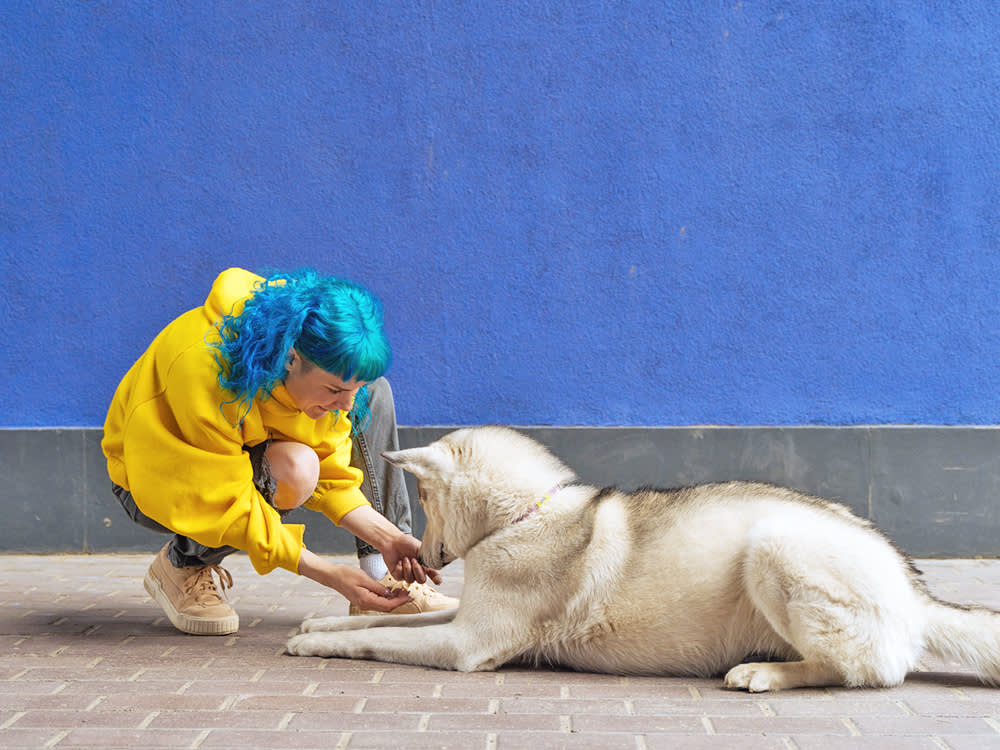 TrainingStop Pushing Your Dog Down. Catch Them Doing It.Dr. Nina Kohl · 6 min