


The Simple Math That Ends Puppy Potty Accidents
There's no fixed number of times to take a puppy out, but there is a formula. A vet-backed guide to bathroom timing by age, size, diet, and health, plus the schedule that makes housetraining click.

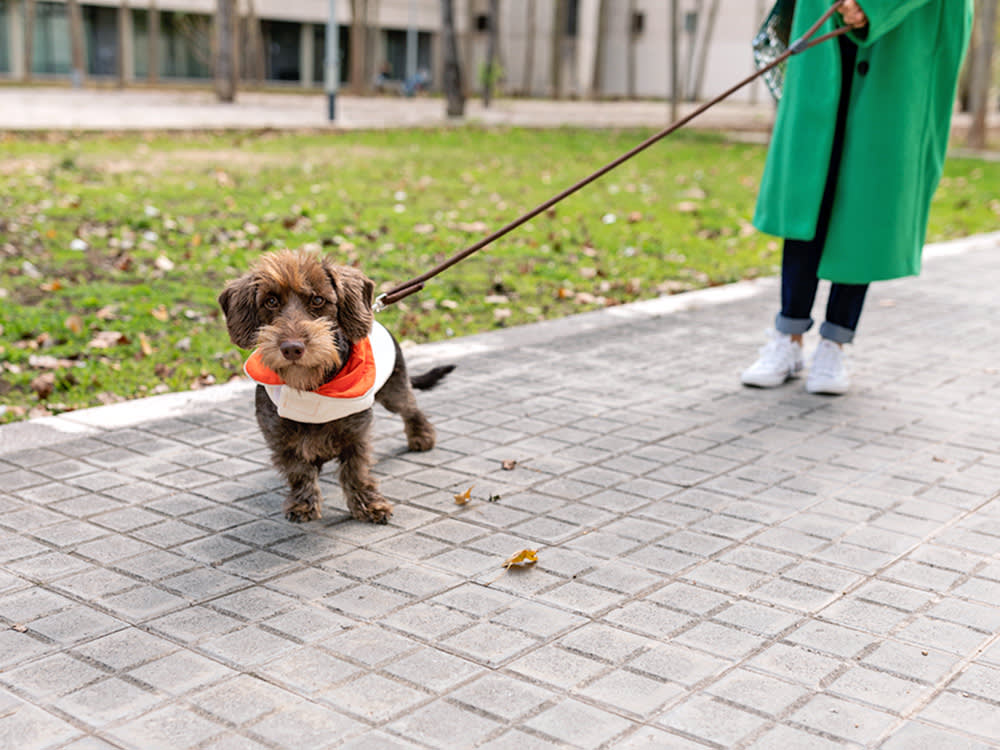
Bringing home a puppy is equal parts joyful and exhausting, and nothing tests a new pet parent quite like housetraining. The good news is that most of the anxiety comes from a single question with a fuzzy answer: how often am I supposed to take this puppy outside?
There isn’t a fixed number, and that’s not a cop-out. Every puppy comes with their own bladder, temperament, and pace. But there is a formula, and a set of rules built around it, that turns housetraining from guesswork into something predictable. Follow the math and you’ll head off most accidents before they happen.
The core formula
Here’s the number to memorize. When your puppy is resting, sleeping, or crated, they can usually last about one hour for every month of age, plus an extra hour on top. A three-month-old puppy tops out around four hours of downtime.
That one-hour-per-month-plus-one guideline is the backbone of housetraining, but only for calm, resting stretches. The moment a puppy is eating, drinking, or playing, all bets are off. Activity gets things moving fast, so during the day you’re working on a much tighter clock than the formula suggests.
The overnight version of this matters too. Early on, set an alarm using that same rule so you can take your puppy out in the middle of the night. If you hear stirring or whining before the alarm, get up and take them out anyway. It helps enormously to do calm, positive crate work during the day, so your puppy sleeps contentedly in the crate at night and you can tell a genuine “I need to go” whine from an “I’m bored” one.
Four things that shift the math
The formula is your starting point. These factors move it up or down.
Age. Younger means more often, full stop. Puppies don’t arrive understanding that outside is the bathroom and inside isn’t; that’s a learned concept, and the younger they are, the shorter the runway between urges.
Size and breed. Small dogs have small bladders and simply can’t hold as much, so they need more frequent trips, and often continue to their whole lives. Breed plays a role in difficulty, too. Beagles, Bichon Frisés, Chihuahuas, and Dachshunds, among others, have a reputation for being tougher to housetrain. None of it is a dead end; it just means leaning harder on patience, consistency, and positive reinforcement. (It’s also one more reason to research a breed’s needs before adopting, so the dog fits your household.)
Diet. What goes in shapes what comes out. Choose a puppy food with real quality ingredients, ideally a named protein first on the label, and switch foods slowly, since new puppy stomachs upset easily. Puppies eating raw or high-moisture diets tend to need the bathroom more often simply because there’s more water in the food. If a new food seems to bother your puppy’s stomach, slow the transition down, and if problems drag on, loop in your vet about a possible intolerance.
Health. Book a vet check soon after your puppy comes home, both to confirm they’re on track with vaccinations and to catch anything that might affect their bathroom habits. Check with your vet should your puppy start peeing unusually often, produce dark or foul-smelling urine, or suddenly ramp up how much water they drink.
How often is “normal”
Two questions come up constantly, so here are honest ranges.
For peeing, there’s no set count. It swings with age, size, breed, and health. In the early days you’ll be heading outside every 30 to 60 minutes, and your puppy may pee nearly every time. As they mature and accidents drop off, you gradually widen the gaps.
For pooping, twice a day is common, but a young puppy going four to six times isn’t cause for alarm on its own. Keep an eye on consistency; frequent, loose stools warrant a vet call. After meals, head outside within a couple of minutes, since some pups need to poop almost immediately. When a puppy is overdue for a poop but hasn’t gone, adjust your timing to account for it.
The schedule is the whole game
A written schedule sounds fussy until you have three family members each assuming someone else took the puppy out. It keeps everyone aligned and prevents the predictable accidents. Every trip your puppy successfully goes in the right place, and gets rewarded for it, is a deposit toward a housetrained dog.
The anchor rule: your puppy should go out right after eating, drinking a lot of water, playing, or waking up. Those four activities reliably trigger the need to go. Build your schedule starting at every 30 minutes plus those triggered trips, then adjust to your actual puppy. A day with a few accidents means shorten the intervals. A perfect day means hold steady one more day before stretching by five to ten minutes. As the intervals grow, never drop the after-eating, after-playing, after-sleeping trips.
Reward right, and never punish
The engine behind all of this is rewarding your puppy for going where you want. Pick a treat that’s easy and fast to eat, nothing so crunchy it takes ages to chew and breaks the moment. If housetraining is stalling, reserve one especially exciting treat, freeze-dried liver, low-sodium turkey, freeze-dried raw nibbles, exclusively for potty trips.
And resist the urge to scold. Punishing accidents teaches a puppy only that you become frightening whenever they relieve themselves. The result is a puppy who keeps having accidents but hides to do it, and who may refuse to go in front of you outside, on leash, out of fear. If an accident happens, clean it up without drama and get back on the schedule. That calm consistency, more than anything, is what gets you to a fully housetrained dog.
References
- Dunbar, Ian. Before and After Getting Your Puppy: The Positive Approach to Raising a Happy, Healthy, and Well-Behaved Dog. New World Library, 2004.
Common questions
How long can a puppy hold their pee?
When resting or crated, a rough rule is one hour per month of age, plus one. A three-month-old can hold it about four hours. This applies to downtime only; during play, eating, or general activity, they'll need to go far more often, so stick to your active-day schedule.
How many times a day should a puppy poop?
It varies, but two to four times is common, and up to four to six is not unusual for a young puppy. Watch the consistency. If your puppy is going many times a day with loose or watery stool, call your vet.
Should I punish my puppy for accidents in the house?
No, never. Punishment doesn't teach a puppy where to go; it teaches them that going to the bathroom near you is dangerous. That can make them hide to pee, or refuse to go while you're watching, even outside on leash. Clean it up calmly and get back on schedule.
Dr. Park is a board-certified emergency and critical care specialist. She reviews our health and safety content for clinical accuracy and contributes guides on recognising urgent conditions. Her focus is helping owners act quickly and correctly when it matters most.
Meet our experts ↗Keep reading
 TrainingYou're Probably Training Your Puppy Too Hard. Here's the 6-Month Plan That Works.Sasha Ford · 6 min
 TrainingA Stranger Held His Puppy 50 Times in a Month. The Science Says He Was Right.Dr. Mara Chen · 6 min
 TrainingYou're Not Potty-Training the Puppy. You're Training Yourself.Dr. Priya Nair · 9 min
 First DaysYour Puppy Isn't Regressing. They're in a Fear PeriodJordan Ellis · 8 min
 First DaysThe Only Puppy in the Litter Missed a Class. It Shows Up Years Later as a Bite.Dr. Nina Kohl · 9 min
 First DaysEight Weeks Isn't a Feeding Milestone. It's a Behavior Deadline.Dr. Priya Nair · 9 min