


Can Dogs Eat Almonds? Why This Snack (and Most Nuts) Belongs to You
Almonds aren't classically toxic to dogs, but they're hard to digest and carry real risks. Here's why most nuts are a skip, plus the nut-adjacent treats that are fine.

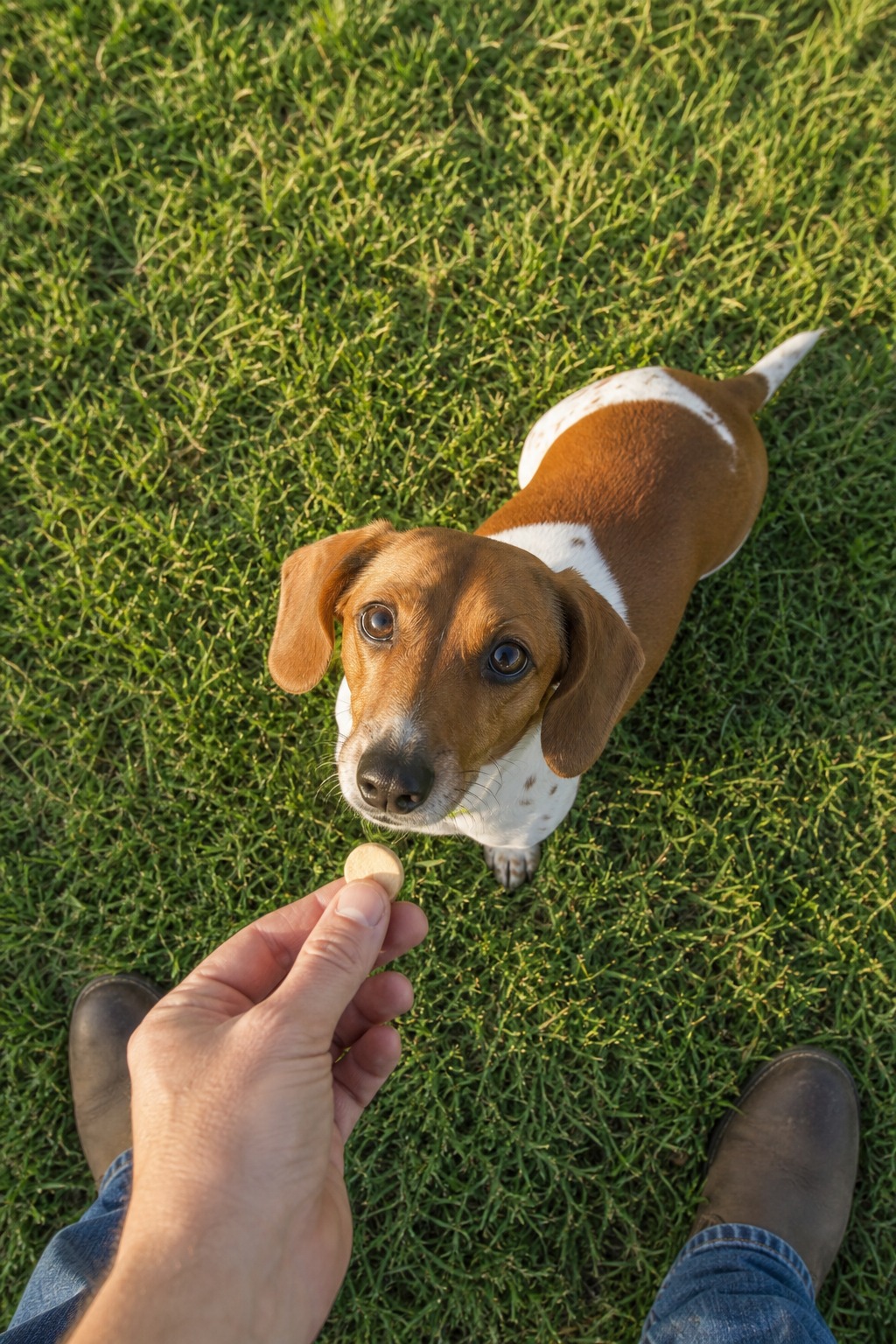
Almonds are a near-perfect human snack: crunchy, satisfying, genuinely good for us. So it’s natural to want to toss one to the dog staring you down. Unfortunately, the answer here is probably no. Almonds aren’t technically toxic to dogs, but they’re tough for a dog’s system to digest, which is why they land on most vets’ lists of foods to keep away from your pup, right alongside walnuts and macadamia nuts. Here’s the full picture, plus what to do if your dog raids the snack bowl.
Why almonds are a problem for dogs
The trouble with almonds isn’t one big danger, it’s a stack of smaller ones:
- Choking hazard. Dogs are built to chew, but they don’t dainty-nibble an almond the way we do. They’re far more likely to swallow it whole, which means a nut can lodge in the windpipe. Small dogs are especially at risk.
- Way too much salt. Snacking almonds are usually heavily salted and seasoned, the kind of thing that leaves you reaching for a drink (picture the free bar nuts that exist purely to make you thirsty). Excess salt can cause water retention, which is genuinely dangerous for dogs with heart conditions.
- High in fat. Almonds are loaded with fat, and a big hit of fat can trigger acute pancreatitis, a painful inflammation of the pancreas. Fat also aggravates the chronic form of the disease.
- High in phosphorus. Too much phosphorus can contribute to bladder or kidney stones. Some breeds are genetically predisposed: Yorkshire Terriers and Lhasa Apsos toward kidney stones, and Shih Tzus, Miniature Schnauzers, and Bichon Frises toward bladder stones.
What to do if your dog eats almonds
If you think your dog snagged just a few almonds and they show no signs of an esophageal obstruction (gagging, retching, distress), keep a close eye on them for vomiting or diarrhea over the next twelve hours or so.
If your dog got into a whole bag of almonds, treat it as urgent and head to the vet right away, especially with a small dog. They may need IV fluids for dehydration and medication for pain.
People hear ‘not toxic’ and assume that means safe, but those are two different things. A handful of salty, fatty almonds in a small dog is exactly the kind of thing that lands them in my exam room with a sore pancreas or, worse, something stuck. It’s just not worth it when there are so many better treats.
What about almond milk and almond butter?
These are the exceptions, in moderation.
Almond milk is generally safe for dogs as an occasional treat. Because it’s fairly high in calories, though, some dogs may get an upset stomach, gas, or diarrhea, so keep portions small.
Almond butter is fine in moderation too, with one big caveat: read the label. Some brands contain xylitol, an artificial sweetener that is extremely toxic to dogs and can cause dangerously low blood sugar, liver damage, and blood-clotting problems. Make sure xylitol isn’t on the ingredient list before offering any. And remember that almond butter is still high in fat, which can upset some dogs’ stomachs. When in doubt, ask your vet before introducing anything new.
A quick note on peanut butter, since people often lump it in: peanuts aren’t actually nuts, they’re legumes, which is why peanut butter is a dog-friendly treat (again, check for xylitol). Whole individual peanuts, on the other hand, carry many of the same risks as true nuts, so skip those.
A quick cheat sheet on other foods
Safer bets than almonds:
- Peanut butter: a great occasional treat as part of a balanced diet.
- Eggs: a protein powerhouse that’s good for dogs.
- Corn: the kernels are safe, just never the cob.
Keep these away:
- Pecans: toxic to dogs in any form.
- Grapes and raisins: highly toxic and capable of causing acute kidney failure.
- Cashews: not toxic, but so high in fat they’re best avoided.
What’s new since this was written
A couple of developments are worth flagging. First, that toxic sweetener: xylitol is now frequently labeled as “birch sugar” or “wood sugar,” especially in imported and “sugar-free” products, and poison-control hotlines report it remains one of the most common dog-poisoning calls year after year. When you’re scanning an almond butter or any nut-butter label, look for those alternate names too.
Second, there’s a mold-related risk that doesn’t get enough attention. Almonds (and other tree nuts) that have gone stale or moldy can harbor aflatoxins, naturally occurring toxins that genuinely are poisonous and can damage the liver. It’s one more reason to keep nuts out of paws entirely rather than letting a dog scavenge a forgotten handful from the back of the pantry.
FAQs
How many almonds can a dog eat?
None, ideally. Almonds aren’t a recommended treat for dogs.
Can dogs eat almonds at all?
No. Between the saltiness, the high fat content, and the choking risk, almonds aren’t a good choice for dogs.
Can dogs eat almond butter?
Yes, in moderation, as long as it contains no xylitol (also labeled birch or wood sugar) or other toxic additives.
Can dogs drink almond milk?
Almond milk is generally safe in small amounts as an occasional treat, but its calorie content means too much can upset a dog’s stomach.
References
- “People Foods to Avoid Feeding Your Pets.” ASPCA. https://www.aspca.org/pet-care/aspca-poison-control/people-foods-avoid-feeding-your-pets
- “Animal Poison Control Alert: Macadamia Nuts are Toxic to Dogs.” ASPCA. https://www.aspca.org/news/animal-poison-control-alert-macadamia-nuts-are-toxic-dogs
- “Paws Off Xylitol; It’s Dangerous for Dogs.” U.S. Food and Drug Administration. https://www.fda.gov/consumers/consumer-updates/paws-xylitol-its-dangerous-dogs
Not a substitute for your vet. Our guidance is educational. For urgent symptoms, contact a vet or emergency clinic right away. Editorial standards
Dr. Park is a board-certified emergency and critical care specialist. She reviews our health and safety content for clinical accuracy and contributes guides on recognising urgent conditions. Her focus is helping owners act quickly and correctly when it matters most.
Meet our experts ↗Keep reading
 FoodThe Fruit Is Never the Problem. It's the Pit, the Skin, and the Seasoning.Dr. Priya Nair · 8 min
 FoodThe Bread Is Never the Problem. What's Baked Into It IsDr. Mara Chen · 5 min
 FoodPapaya for Dogs: The Enzyme Is the Point, and Also the CatchDr. Priya Nair · 6 min
 FoodThe Avocado Panic Is Half Wrong. Here's the Half That's Real.Dr. Ravi Mehta · 7 min
 FoodCranberries Won't Cure Your Dog's UTI. The Science Is Blunt About It.Dr. Nina Kohl · 6 min
 FoodSalmon Is Great for Your Dog. Raw Salmon Can Kill Them.Dr. Ravi Mehta · 7 min