


The Avocado Panic Is Half Wrong. Here's the Half That's Real.
Persin isn't the avocado threat to your dog that the internet says it is, new research barely finds it. But that doesn't make guacamole safe. A vet on the risk that's actually worth your attention.

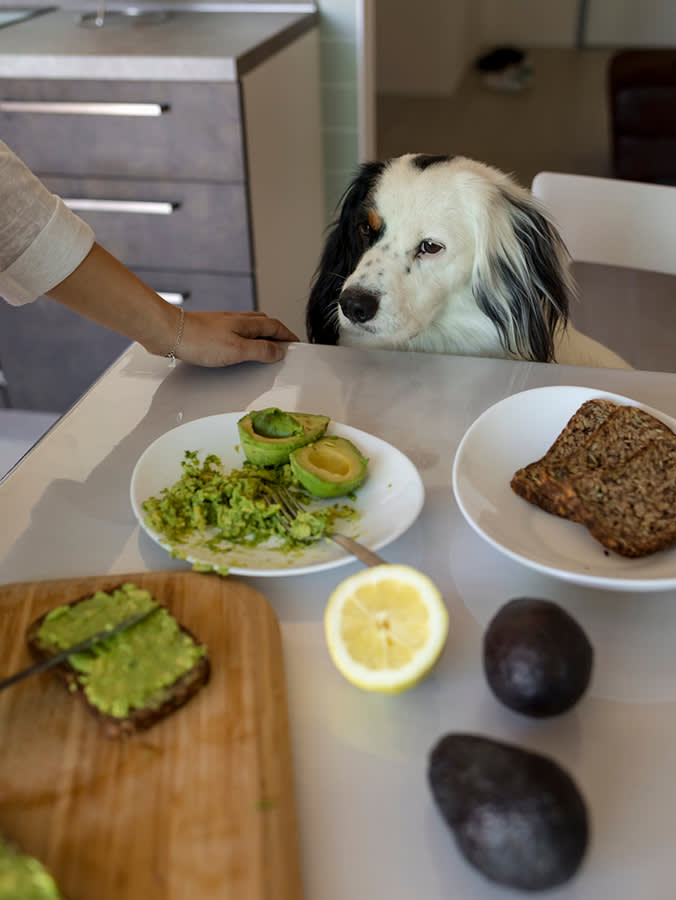
The story everyone knows about dogs and avocado is that it’s poisonous because of a toxin called persin. That story is mostly wrong. The problem is that “mostly wrong” is the most dangerous kind of wrong, because when people find out the persin scare is overblown, the temptation is to swing the other way and decide avocado is fine. It isn’t. The real hazards of an avocado just aren’t the ones the headline warned you about.
So let’s separate the myth from the risk, because the risk is genuinely worth respecting, it’s just not persin.
The persin myth, deflating in real time
Persin is a natural fungicidal compound found throughout the avocado plant, the leaves, skin, flesh, and pit. And it is genuinely, seriously toxic to a lot of animals: birds, horses, goats, and rabbits can be badly harmed or killed by it. That’s real, and it’s why you should never let those animals near avocado in any form.
Dogs are a different story. Dogs are far more resistant to persin, and the evidence for it actually harming them has always been thin. The single infamous case, two dogs that died on a Kenyan avocado farm after reportedly eating large amounts of the plant, was never directly observed and could easily have involved another toxin. That’s a shaky foundation for a species-wide poison warning, and lately it’s gotten shakier.
Researchers at the University of Illinois, studying avocado as a novel fiber ingredient for dog food, went looking for persin in avocado meal and largely couldn’t find it. The compound is chemically fragile, structurally similar to an unstable polyunsaturated fatty acid, and heat and processing appear to break it down and inactivate it. In their feeding trials, dogs eating avocado meal showed no signs of toxicity or distress. The team was careful to note the limits, they tested one source, and persin content varies by avocado variety and isn’t standardized across processing, so each source needs its own testing. But the direction of the finding is clear: the dog-persin danger has been overstated for years.
Which is exactly why this matters. If you walk away thinking “avocado is safe for dogs after all,” you’ve learned the wrong lesson. Persin was never the main event.
The risk that is real: the pit
Here is where your attention belongs. That big, smooth, round avocado pit looks almost like a ball you could toss for fetch, and that’s the trap. It’s just the right size to be swallowed, whole and slippery, and just the wrong size to pass through the narrow parts of a dog’s intestines. When it gets stuck, it causes an obstruction, nothing can move through the digestive tract, and that is a genuine, life-threatening emergency.
Signs of a blockage include vomiting, refusing food, a painful belly, lethargy, and dehydration. It usually requires urgent surgery, and the outcome depends heavily on speed, the longer the pit sits, the sicker the dog gets and the more damage it does to the intestines. If your dog swallows an avocado pit, or you even suspect it did, call your vet immediately. This, not persin, is the scenario that actually threatens a dog’s life, and it’s the one the toxin talk tends to bury.
I’ve never treated a dog for persin poisoning, and after seeing the newer research, I don’t expect to. What I have done is surgery on a dog that swallowed the pit. That’s the avocado call I actually dread. When someone tells me their dog got into an avocado, my first question isn’t about the flesh, it’s ‘where’s the pit?‘
The second real risk: fat
Even setting the pit aside, avocado is not a great everyday food for dogs, and the reason is simple and boring: it’s high in fat. A ripe avocado is loaded with it. Foods high in fat can trigger pancreatitis, an inflammation of the pancreas that ranges from painful to life-threatening, and dogs prone to it can be tipped over by a fatty indulgence. High-fat treats also just pile on calories and drive weight gain.
So while a lick or small bite of ripe avocado flesh won’t poison your dog, making avocado a regular snack is a bad idea on the fat alone. If your dog eats a small amount, watch for vomiting or diarrhea, most cases resolve on their own, but call your vet if the dog stops eating, seems lethargic, or the signs drag on, since dogs can get dehydrated and the avocado may have just been coincidental to another problem.
The third real risk: what’s mixed in
Dogs rarely encounter a plain avocado. They encounter guacamole, avocado toast, a loaded salad. And guacamole in particular is often built on garlic and onion, both of which are genuinely toxic to dogs and far more dangerous than the avocado itself. Add salt, lime, and whatever else, and a prepared avocado dish can carry hazards that have nothing to do with the fruit. If your dog gets into a recipe, the question isn’t just “was there avocado,” it’s “what else was in it,” and a pet-poison hotline is worth a call if you’re unsure.
The part that’s actually fine
To be fair to the avocado, it’s a nutrient-dense fruit, vitamins C, E, and K, fiber, potassium, and healthy monounsaturated fats. But here’s the thing: your dog gets all of those, in the right proportions, from a complete and balanced dog food, and from safer treats like blueberries, green beans, and mango. There’s no nutrient in avocado your dog needs badly enough to justify the fat, the pit, and the guacamole roulette.
And one genuine avocado win worth knowing: avocado-derived oils called unsaponifiables (ASUs) are persin-free, potent anti-inflammatories used in many joint supplements for dogs. Persin-free avocado oils in small amounts are also fine. So it’s not that everything avocado is off-limits, it’s that the whole fruit, with its fat and its pit, isn’t the way to get there.
What’s new since this was written
The most important update is the University of Illinois research on avocado meal as a dog-food fiber source, published in the Journal of Animal Science. Its finding that processing appears to destroy persin, and that dogs showed no toxicity eating avocado meal, is quietly rewriting the old “avocado is toxic to dogs” line. It doesn’t mean you should start feeding avocado, the pit and fat cautions stand, but it does mean the persin panic that dominated this topic for a decade is losing its scientific footing. Expect to see avocado turn up as a deliberate, processed ingredient in more commercial dog foods, where the persin has been handled and the fat is balanced, which is a very different thing from sharing your avocado toast.
The researchers’ own caveat is the one to keep: persin levels vary by avocado variety and processing method, so a controlled dog-food ingredient is not the same as a raw avocado off your counter. The science is softening the myth, not green-lighting the fruit.
The bottom line
The avocado-persin fear is largely a myth for dogs, and new research is confirming it. But don’t let that reassurance become carelessness. The dangers that actually send dogs to the emergency vet are the pit, which can cause a deadly blockage, the high fat, which can trigger pancreatitis, and the toxic garlic and onion in prepared dishes like guacamole. A stray bite of plain flesh is no crisis; a swallowed pit is. Keep avocados, and especially their pits, out of reach, skip it as a regular treat, and reach for a safer fruit when you want to share.
References
- de Godoy, M.R.C., et al. “Avocado meal as a novel fiber source in canine diets.” Journal of Animal Science, University of Illinois. Illinois Extension summary
- The Scoop on Avocado and Your Pets — ASPCA
- “Putative Avocado Toxicity in Two Dogs.” PubMed
- “Complete and Balanced” Pet Food — U.S. Food & Drug Administration
- Pancreatitis in Dogs — VCA Animal Hospitals
Common questions
Is persin in avocado toxic to dogs?
Persin is highly toxic to some animals like birds, horses, and rabbits, but dogs are far more resistant. Newer research on avocado meal for dog food found little to no detectable persin and no signs of toxicity, which suggests the dog-persin danger has been overstated. The pit and the fat are the real concerns.
What happens if my dog eats the avocado pit?
The pit is a serious hazard. It's just the right size to be swallowed but too big to pass, so it can lodge in the intestines and cause a blockage, which is a medical emergency often needing surgery. If your dog swallows a pit, call your vet right away.
Is avocado oil safe for dogs?
Generally yes, in small amounts. Persin-free avocado oils and the avocado-derived compounds called ASUs are even used in some canine joint supplements. It's the whole fruit, the fat, and the pit that warrant caution, not persin-free oil.
Not a substitute for your vet. Our guidance is educational. For urgent symptoms, contact a vet or emergency clinic right away. Editorial standards
Dr. Mehta is a board-certified veterinary nutritionist who evaluates pet food formulations, ingredient quality, and the science behind dietary trends. He writes and reviews all nutrition content at The Pet Times, including our food rankings and feeding guides.
Meet our experts ↗Keep reading
 FoodYour Meatloaf Could Hospitalize Your Dog. This One Won't.Dr. Lena Park · 7 min
 FoodKale Is a 'Superfood.' For Dogs, It Comes With a Catch.Dr. Priya Nair · 5 min
 FoodTwo Goldfish Crackers Are Fine. Here's the Number That Isn't.Dr. Mara Chen · 5 min
 FoodCantaloupe Is Great for Dogs. The Rind Is the Part That Isn'tDr. Nina Kohl · 5 min
 Food"Dogs Are Basically Wolves" Is How Raw Chicken Gets Fed. Here's the Catch.Dr. Lena Park · 7 min
 FoodCauliflower for Dogs: A Filling Snack With One Gassy CatchDr. Lena Park · 6 min