


Cauliflower for Dogs: A Filling Snack With One Gassy Catch
Cauliflower is a safe, nutrient-rich treat for dogs in moderation. A vet explains the benefits, how to serve it, and why too much means a gassy pup.


Cauliflower has quietly become a kitchen overachiever — riced, mashed, turned into pizza crust, you name it. So it’s fair to wonder whether your dog can get in on it. The answer is yes: cauliflower can be a healthy snack for dogs in moderation. It’s rich in fiber, vitamins, and antioxidants, and it’s low in calories while still being filling, which makes it a smart pick for pups who need to watch their weight but still love to snack. There’s just one trade-off you should brace for, and it rhymes with “farts.”
What cauliflower offers dogs
Cauliflower (Brassica oleracea) is low in calories, nutrient-dense, and safe for dogs. For people, it’s a versatile grain substitute; for dogs, the benefits include:
- Low in calories: A filling treat that’s friendly to weight-loss plans.
- Dietary fiber: Supports regular bowel movements and a healthy population of beneficial gut bacteria.
- Choline: An essential nutrient that supports liver health, brain development, muscle movement, nervous system function, and cardiovascular health.
- Antioxidants: Help protect cells from free-radical damage, potentially reducing the risk of certain cancers, heart disease, and sun damage.
- Vitamins: Plenty of vitamin C, vitamin K, and B vitamins.
Cauliflower is a great low-calorie filler for dogs who are always hungry, especially ones on a diet — it satisfies the urge to snack without piling on calories. But cruciferous veggies are notorious for gas, so I tell people to start small and see how their dog’s stomach handles it.
Is cauliflower good for dogs?
In moderation, absolutely. It’s a filling, low-calorie snack that can help dogs on a weight-loss plan, and the fiber benefits digestive health. That said, veggies should only be treats — dogs should get the bulk of their nutrition from a complete and balanced diet that meets AAFCO (Association of American Feed Control Officials) standards. One caveat: cauliflower and its cruciferous cousins (broccoli, Brussels sprouts) may not suit dogs with sensitive stomachs. And even for the iron-gutted, too much cauliflower leads to some genuinely impressive gas.
Raw or cooked?
Dogs can eat cauliflower raw, but cooking it is often the better call. Raw cauliflower is harder to digest and more likely to cause stomach upset, and large pieces of stem can be a choking hazard, especially for smaller dogs. If your pup likes it raw, stick to florets or cut everything into small, bite-sized pieces.
How much is too much?
Cauliflower is non-toxic and safe in moderation, but it shouldn’t be a major part of the diet. Large amounts can cause gastrointestinal upset, bloating, and gas. The rule is the same as for all extras: treats should make up no more than 10 percent of a dog’s daily diet.
How to serve cauliflower
Cauliflower works raw or cooked. If cooking, steam, boil, or roast it — but skip the oil, butter, and seasonings entirely. Cut it into bite-sized pieces, especially when serving it raw (florets are safer than stems), and always wash produce thoroughly to prevent bacterial contamination.
If it’s a new treat, start with a small amount to gauge tolerance. If your dog develops GI upset or particularly foul gas, switch to a different veggie. A few ways dogs enjoy it:
- Raw, low-calorie, bite-sized florets
- Cooked, chopped, and spooned over wet or dry food
- Pureed into a fun whipped treat or topper
Other dog-safe foods
- Broccoli: Cauliflower’s cruciferous cousin, with a similar nutritional profile — broccoli has more vitamin C and K, while cauliflower edges it out on B vitamins. (Both can cause gas.)
- Rice: Cooked white or brown rice is fine; white is easier to digest and better for dogs with GI issues, though brown has more nutrients.
- Green beans: Another low-calorie favorite. Stick to fresh (raw or cooked), since canned versions tend to be high in sodium.
Foods to keep away
- Raw bread dough: Yeast ferments in the stomach, producing carbon dioxide and ethanol. This causes bloating that can lead to gastric dilatation and volvulus (GDV), while the absorbed ethanol causes alcohol poisoning — with effects ranging from disorientation and an unsteady gait to seizures and death.
- Onions and garlic: Dogs should never eat onions, garlic, or any other Allium-family member, which can cause hemolytic anemia. That includes raw, cooked, powdered, and dip forms.
The bottom line
Cauliflower is a safe, nutritious, low-calorie treat for many dogs when served plain and in moderation. If your dog has a sensitive stomach or other health conditions, check with your vet before introducing it. And remember the 10 percent rule — cauliflower is a snack, not a staple.
What’s new since this was written
The research underpinning cauliflower’s appeal — its fiber and gut-health benefits — continues to hold up, and veterinary nutritionists increasingly frame the right kind of dietary fiber as a tool for managing both digestion and weight in dogs. That keeps fiber-rich, low-calorie vegetables on vet-friendly treat lists.
On the danger side, awareness of raw bread dough and yeast hazards remains high, and toxicologists continue to refine our understanding of other kitchen risks — most notably the finding that tartaric acid likely drives grape and raisin toxicity. The broader lesson stands: some veggies, like cauliflower, are great in small amounts, while certain doughs and fruits remain genuine emergencies.
References
- Healthline. “The Top 8 Health Benefits of Cauliflower.” https://www.healthline.com/nutrition/benefits-of-cauliflower.
- Merck Veterinary Manual. “Bread Dough Toxicosis in Animals.” https://www.merckvetmanual.com/toxicology/food-hazards/bread-dough-toxicosis-in-animals.
- Association of American Feed Control Officials (AAFCO). “Understanding Pet Food.” https://www.aafco.org/consumers/understanding-pet-food/.
- ASPCA Animal Poison Control. “People Foods to Avoid Feeding Your Pets.” https://www.aspca.org/pet-care/aspca-poison-control/people-foods-avoid-feeding-your-pets.
Common questions
Can dogs eat raw cauliflower?
Yes, dogs can eat cauliflower raw or cooked. Offer raw cauliflower in small florets to reduce choking and obstruction risks — and know that raw is more likely to cause gas than cooked.
How much cauliflower can a dog eat?
Cauliflower should be an occasional treat only. Like all human foods and treats, even healthy ones, it should make up no more than 10 percent of a dog's daily diet.
Not a substitute for your vet. Our guidance is educational. For urgent symptoms, contact a vet or emergency clinic right away. Editorial standards
Dr. Park is a board-certified emergency and critical care specialist. She reviews our health and safety content for clinical accuracy and contributes guides on recognising urgent conditions. Her focus is helping owners act quickly and correctly when it matters most.
Meet our experts ↗Keep reading
 FoodSteal the Popsicle's Best Idea for Your Dog, Skip Everything Else In ItDr. Lena Park · 7 min
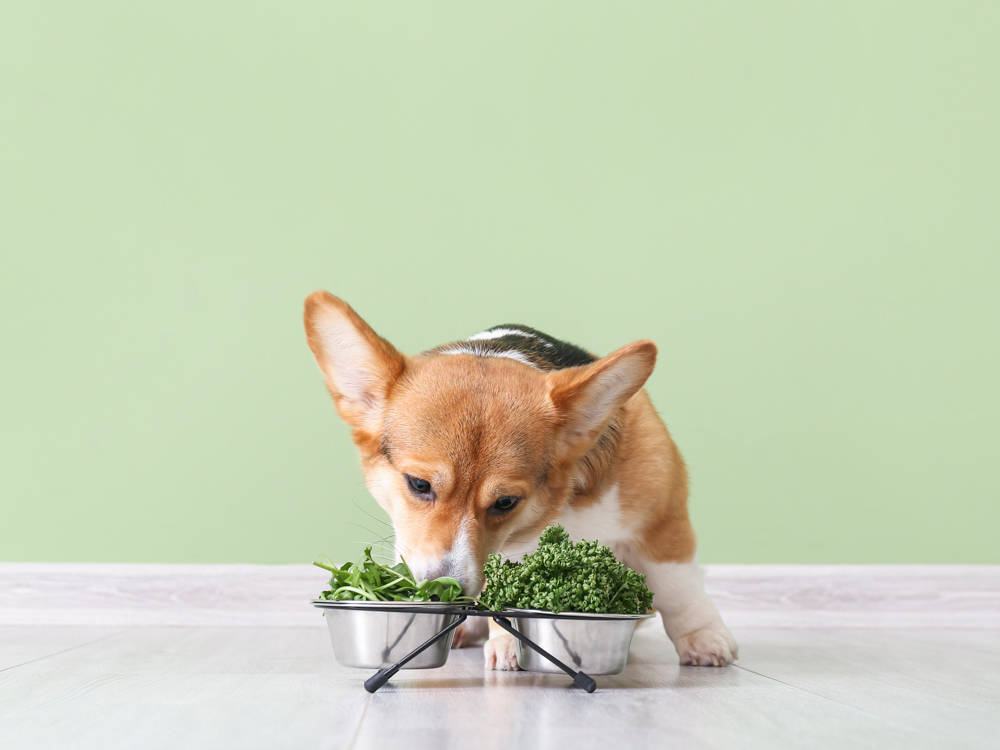 FoodKale Is a 'Superfood.' For Dogs, It Comes With a Catch.Dr. Priya Nair · 5 min
 FoodThe Potato Is Fine for Your Dog. Everything You Do to It Isn't.Dr. Mara Chen · 7 min
 FoodCoconut Water Won't Hydrate Your Dog. It's a Treat With a Potassium Catch.Dr. Priya Nair · 6 min
 FoodStrawberries Are the One Fruit Treat Even a Dieting Dog Can KeepDr. Priya Nair · 5 min
 FoodYour Meatloaf Could Hospitalize Your Dog. This One Won't.Dr. Lena Park · 7 min