


Cats Are Not the Loners We Made Them Out to Be
The myth that cats prefer solitude may be doing them harm. A behavior expert explains why socialization matters at every age and how to start.

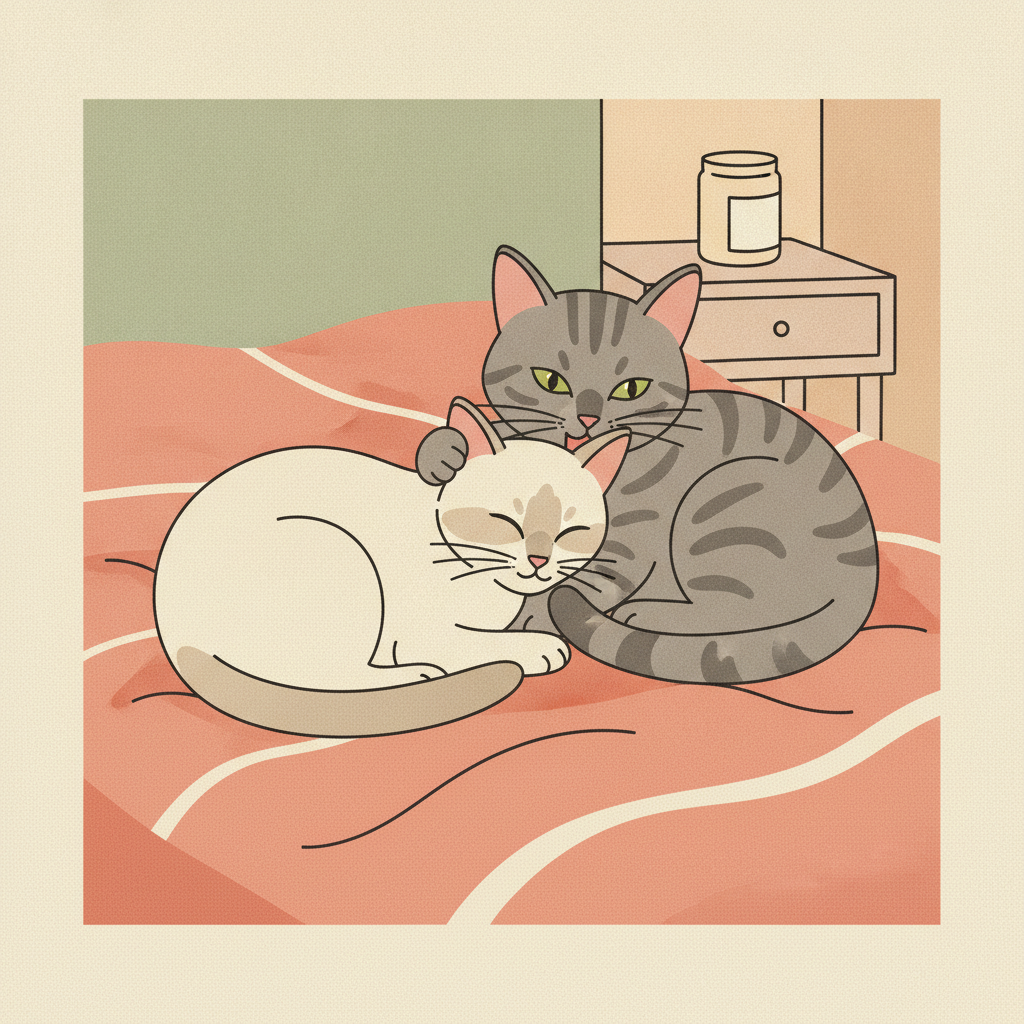
Cats carry a reputation for being aloof, especially next to dogs. The people who actually live with cats tend to swap that word for something kinder, like discerning, but the cultural verdict has stuck: cats just are not as into hanging out as their tail-wagging counterparts.
Here is the problem with that story. It is mostly a myth, and it may be hurting cats. Like dogs, cats need socialization to live full, contented lives. Treating them as natural loners can set them up for a lonelier, more anxious existence than they were ever built for.
There is a window, and it is early
Kittens have a specific peak period for learning who and what is safe, and it closes faster than most people expect. The prime sensitivity window runs roughly from two to eight weeks of age. That is when a kitten should be meeting people, getting used to household chaos like the vacuum, and learning the social rules of being a cat.
A lot of that learning comes from other cats. Kittens really need to stay with their littermates or mother until around two months old, because that is how they pick up the communication signals that make them fluent in cat. Miss that schooling and the gaps show. Some cats never quite learn, for instance, that a hiss is supposed to mean back off, so they will hiss in moments when they are not upset at all.
The socialization window is not a suggestion, it is biology. Kittens are primed during those weeks to file new experiences under ‘normal’ instead of ‘scary.’ Expose them to people, sounds, and other cats then, and you get an adaptable adult. Skip it, and you spend years coaching a fearful cat through things that should have felt easy.
When that early socialization does not happen, it can lead to what behaviorists call single kitten syndrome, a cluster of issues that can include biting and clingy, over-dependent behavior that is genuinely hard to live with.
How early is early? The most cited experiment on this comes from psychologist Eileen Karsh, who handled kittens for a few minutes a day starting at three different ages and then measured how friendly they became. Kittens handled from three weeks old stayed on a person’s lap far longer and approached strangers faster than kittens whose handling started at seven or fourteen weeks. Follow-up work added a second lesson: kittens handled by four or five different people during that window grow into more sociable adults than kittens who only ever met one person. The practical takeaway is that the quantity and the variety of gentle early contact both matter, and the clock on it is short.
Most cats want company
The idea that a cat is happiest ruling an empty apartment alone deserves a second look. Think about how we react when we hear about a person living entirely alone in the woods. We assume it must be hard for them. Yet we set up our cats for exactly that, a life with no one of their own species around.
Plenty of cats thrive with a feline friend to wrestle, groom, and nap with. That is why many shelters and rescues encourage adopters to take home a pair, unless there is already a resident animal at home. Companionship is not a luxury for most cats. It is closer to a need.
The honest caveat: some cats really are antisocial, the same way some people simply prefer their own company. Whether your cat wants a buddy is a case-by-case call. If yours is a genuine loner, that is completely fine. Just make sure they have plenty of enrichment, like puzzle feeders and engaging toys, so solitude does not tip into boredom or depression.
It is never too late to try
If the early window has closed, do not give up. Adult cats can still learn to share space with another cat. The catch is patience. Introductions should always go slowly, and that is doubly true for a cat who grew up without feline company.
The reason kittenhood is ideal is simple: that is when cats are wired to learn rather than to fear. With an older cat, you are working against years of established habits, so the process takes longer and demands more from you. But it can absolutely be done. Go slow, read your cat’s signals, and let them set the pace.
The takeaway is worth repeating. Cats are not the standoffish loners pop culture made them out to be. Most of them want connection, with us and often with each other. Give them the chance to be social, and they usually take it.
References
- Karsh, Eileen B., and Dennis C. Turner. “The Human-Cat Relationship.” The Domestic Cat: The Biology of Its Behaviour, Cambridge University Press, 1988, pp. 159-177.
- “Socialization and Fear Prevention in Kittens.” VCA Animal Hospitals. https://vcahospitals.com/know-your-pet/socialization-and-fear-prevention-in-kittens
- “Social Behavior of Cats.” Merck Veterinary Manual. https://www.merckvetmanual.com/behavior/behavior-of-cats/social-behavior-of-cats
Dr. Kohl is a board-certified veterinary dentist with a particular interest in preventive oral care. She reviews all dental health content at The Pet Times and contributes practical guides on home dental routines, professional cleaning, and oral disease prevention.
Meet our experts ↗Keep reading
 First DaysTake a Kitten Home Too Early and You'll Pay for It for 15 YearsDr. Lena Park · 10 min
 TrainingDo Cats Understand What You Say? The Science of Talking to Your CatNina Vasquez · 7 min
 TrainingThe Laser Pointer Isn't the Problem. The Missing Ending IsDr. Ravi Mehta · 5 min
 TrainingYour Cat Can Learn to High-Five. The Secret Is a Sticky Note.Tom Hadley · 7 min
 TrainingYes, You Can Train a Cat. You've Just Been Offering the Wrong Deal.Tom Hadley · 7 min
 TrainingBreed Barely Predicts Your Cat's Personality. Here's the ProofDr. Ravi Mehta · 6 min