


Breed Barely Predicts Your Cat's Personality. Here's the Proof
A 5,700-cat study is the biggest data set ever on feline behavior, and its real finding surprises people: breed nudges temperament, but how a kitten is raised matters more.

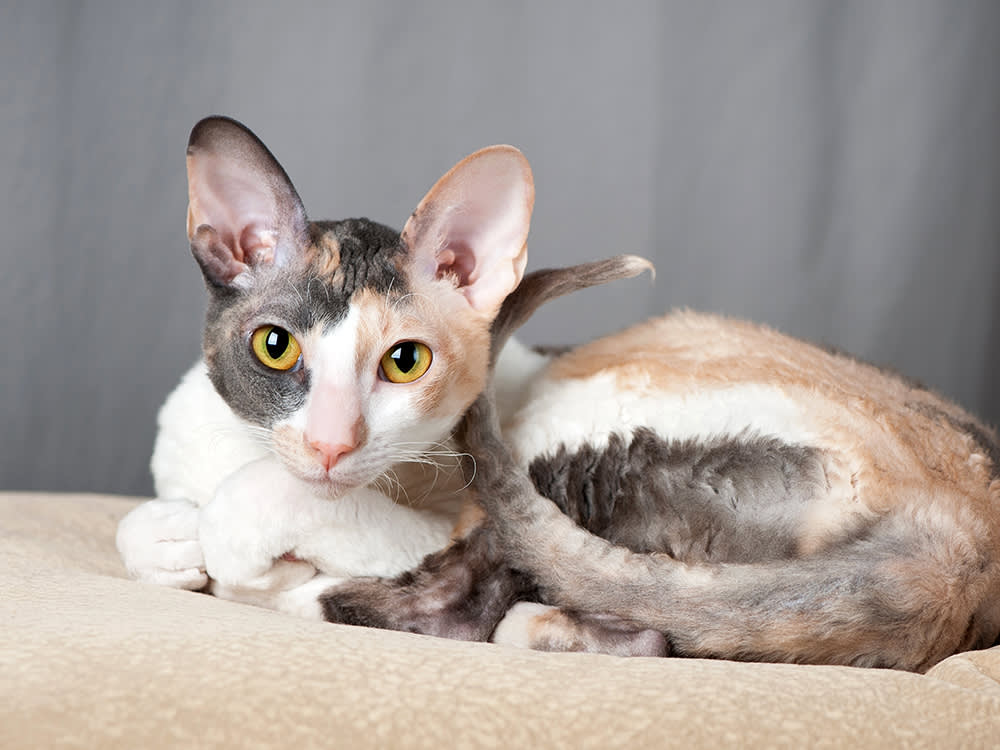
The internet is stuffed with confident rankings of cat breeds: the best with kids, the best behaved, the most aggressive. Almost none of them are built on data. The “evidence” is usually a breeder’s testimonial, which carries an obvious conflict of interest, or a professional’s gut feel from the handful of cats they happen to see. So it is worth spending a minute with the rare study that actually measured this, because its headline conclusion is the opposite of what those lists imply: breed shifts the odds a little, but it does not decide who your cat is. Early handling and environment do more of that work.
Here is the data, and then the part that actually matters.
The one study worth citing
Researchers Milla Salonen, Katariina Vapalahti, Katriina Tiira, Asko Mäki-Tanila, and Hannes Lohi gathered behavioral data on more than 5,700 pet cats across 19 breeds and calculated the probability of ten traits, from excessive grooming to aggression. Published in Scientific Reports, it remains one of the largest bodies of evidence on feline behavior ever assembled.
What makes it trustworthy is the statistical care. The team worked to strip out non-breed factors that shape behavior, including age, sex, weaning age, access to the outdoors, and whether other cats shared the home, so that what is left leans closer to a real breed effect than to noise.
What makes this study valuable is the sample size and the statistical care. Anecdotes about breeds are everywhere. Controlled data on thousands of cats is rare, and it lets us talk about tendencies and probabilities rather than stereotypes.
A note on how to read the ten traits below: these are population tendencies, not verdicts on any individual cat. Think “slightly more likely,” never “will.”
The ten traits the researchers measured
1. Aggression toward family members. Highest: Turkish Van, Angora, Korat. Lowest: British Shorthair, Abyssinian (including Somali and Ocicat), and the Oriental group (Balinese, Oriental Longhair, Oriental Shorthair, Seychellois Longhair and Shorthair, Siamese). If your cat suddenly hisses or nips mid-petting, that is usually petting-induced aggression, an over-it or overexcited reaction to repetitive contact rather than a breed flaw. Watch the body language and ease off before they get there.
2. Aggression toward strangers. Highest: Turkish Van, Angora, Korat, Devon Rex. Lowest: British Shorthair, Persian, Cornish Rex.
3. Shyness toward strangers. Most likely to hide from new people: Russian Blue, Domestic Shorthair (the classic house cat or mixed breed), Bengal. Most outgoing: Cornish Rex, Burmese, Burmilla.
4. Aggression toward other cats. Highest, the loners: Turkish Van, Angora, Korat. Lowest, the sharers: Persian. In any multi-cat home, slow, carefully staged introductions do more to prevent conflict than breed choice ever will.
5. Decreased contact with people. More reserved: British Shorthair, Saint Birman, European Shorthair, Persian. More sociable: the Oriental breeds, Devon Rex, Korat.
6. High activity level. More energetic: Cornish Rex, Korat, Bengal. More mellow: British Shorthair, Ragdoll, Saint Birman. Worth remembering: the zoomies are normal for every breed on this list.
7. Shyness toward novel objects. Most spooked by new things: Russian Blue, Domestic Shorthair, Turkish Van, Angora. Most curious: Devon Rex, Persian, Cornish Rex.
8. Wool sucking. Most likely to suckle: Domestic Shorthair, Norwegian Forest Cat, Turkish Van, Angora. Least likely: Persian, Russian Blue. Wool sucking is a cat suckling on blankets, sweaters, shoelaces, even another cat’s tail. It is often linked to anxiety and usually harmless, but it turns serious if a cat swallows something indigestible, which can require surgery.
9. Excessive grooming. Highest: Burmese, Oriental, Cornish Rex. Lowest: British Shorthair, Persian. If your cat is overgrooming, coughing up more hairballs than usual, or losing fur, see your vet to rule out a medical cause.
10. Owner-reported behavior problems. Highest: Oriental, Persian. Lowest: European Shorthair, British Shorthair.
The finding that actually matters
Line the ten up and a pattern jumps out that is bigger than any single trait: the same handful of breeds cluster at the extremes over and over, which tells you breed is doing something. But the researchers were emphatic that breed does not dictate personality, and the most telling result in the whole paper proves it.
Purebred cats came out generally less aggressive toward other cats than mixed-breed cats. The obvious reading is “pedigree makes a calmer cat.” The researchers rejected it. They attributed the gap largely to the fact that European pedigree breeders tend to invest more time socializing kittens during the critical early window. In other words, the difference traced back to how the kittens were raised, not to their genes.
Genetics loads the dice, but environment rolls them. Use breed tendencies as a starting hypothesis about a cat, never as a verdict. The individual cat in front of you always gets the final word.
That is the practical takeaway. If you are choosing a cat, do not shop for a personality by breed and expect delivery. Ask instead how the kitten was raised, how much early handling it got, and what its individual temperament looks like right now.
What newer research adds
The same Finnish group has since built its work into a validated framework of seven feline personality and behavior traits, spanning activity, fearfulness, aggression toward humans, sociability toward people and toward cats, and litter-box and grooming behavior. Drawn from surveys of thousands of cats, it gives vets and researchers a more standardized ruler for temperament than the one-off questionnaires that came before. A related strand of research has tied fearfulness in cats to both a higher rate of problem behaviors and poorer early socialization, which lands on the same message as the original study: how a cat is handled early rivals, and often beats, breed in shaping who they become.
References
- Salonen, M., Vapalahti, K., Tiira, K., Mäki-Tanila, A., and Lohi, H. “Breed differences of heritable behaviour traits in cats.” Scientific Reports, vol. 9, 2019. https://www.nature.com/articles/s41598-019-44324-x
- Mikkola, S., et al. “Reliability and validity of seven feline behavior and personality traits.” Animals, 2021. https://www.mdpi.com/2076-2615/11/7/1991
Dr. Mehta is a board-certified veterinary nutritionist who evaluates pet food formulations, ingredient quality, and the science behind dietary trends. He writes and reviews all nutrition content at The Pet Times, including our food rankings and feeding guides.
Meet our experts ↗Keep reading
 TrainingLittermates Don't Replace a Mother Cat. The Study Is Blunt About It.Dr. Amara Solis · 6 min
 Health & WellnessThe Glow in Your Cat's Eyes Is a Free Eye Exam. Learn to Read It.Dr. Ravi Mehta · 8 min
 LivingYour Cat Didn't 'Imprint' on You Like a Duckling. What Actually Happened Is BetterDr. Nina Kohl · 7 min
 TrainingYour Sleeping Cat Is Twitching. Dream, or Something to Worry About?Dr. Priya Nair · 6 min
 LivingYour Cat Isn't Embarrassed. Misreading That Scramble Is How People Make Cats Anxious.Dr. Nina Kohl · 6 min
 TrainingYour Cat Knows Its Name. It's Deciding Whether You're Worth AnsweringDr. Amara Solis · 8 min