


Your Cat Pooping on the Carpet Isn't Spite. It's a Message You Rule Out in Order
Cats don't choose the carpet to punish you, they choose it because the litter box has become a bad place to go. Here's the diagnostic order, starting with the vet, that finds the real reason and fixes it.

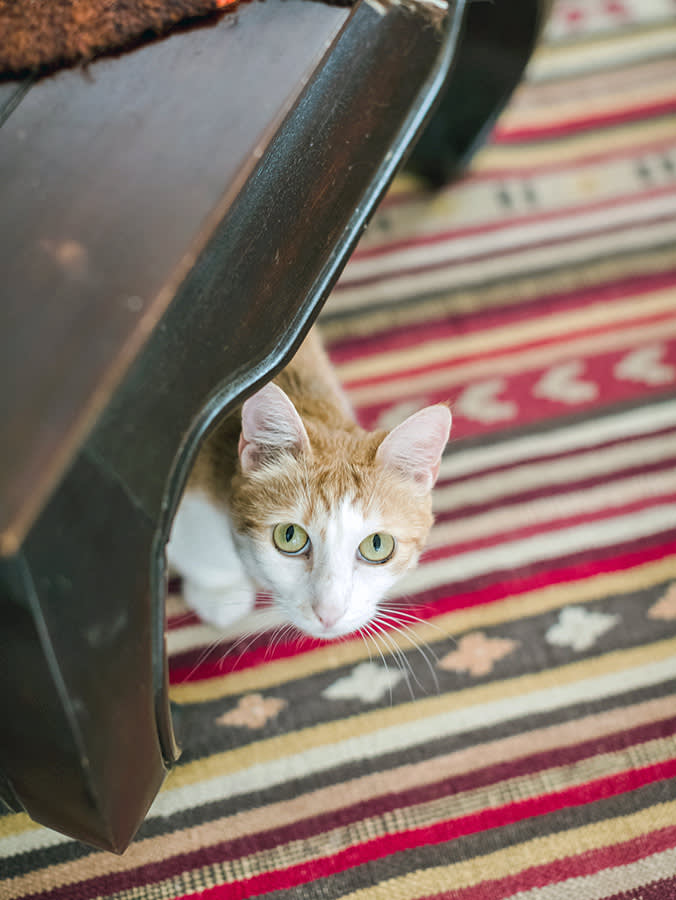
There is a joke cat owners make when they find a mess on the rug: the cat did it out of spite. It is a comforting story because it lets us off the hook, but it is false, and believing it is exactly why the problem drags on. Cats do not use the carpet to punish anyone. They use it because, for some reason, the litter box has stopped being an acceptable place to poop, and the carpet, soft, absorbent, easy to paw like litter, is the next best thing. Read that way, a soiled rug is not an insult. It is a message. This piece is about decoding it in the right order, because the order is what separates a quick fix from months of frustration.
First, retire the spite theory
Cats are fastidious by nature and genuinely prefer a clean box, so a cat pooping on the carpet is not being vindictive; they are telling you something is off, either with their body or with their world. That reframing has a hard rule attached: never punish a cat for it. Discipline does not address the cause, and because so many of these accidents are rooted in stress or pain, punishment tends to make the situation worse by piling on fear. The cat is already communicating distress in the only way available to them. Yelling at them for it is like unplugging a smoke alarm.
I ask owners to think of a soiled rug as their cat filing a complaint. The complaint might be about their health, or the box, or the tension in the household, but it is never nothing, and it is never spite. Once people stop taking it personally and start reading it as information, they get a lot better at actually solving it.
Step one, always: rule out a medical problem
Before you touch the litter box, rule out the cat’s body, because pain and illness are the most important and most missed causes. A surprising range of conditions can push a cat off the box: gastrointestinal problems and inflammatory bowel disease, constipation, urinary tract infections, arthritis or other mobility issues that make climbing into a box hurt, hyperthyroidism, which can drive erratic behavior, and cognitive decline in older cats, which can make a cat simply forget where the box is. If your cat is straining, has diarrhea, has changed how much they eat or drink, seems sore, or the accidents came on suddenly, call your vet promptly. A vet can diagnose things you cannot see, and no amount of box-tweaking fixes a medical problem.
There is one telling pattern worth flagging here. If your cat pees in the box normally but poops on the carpet, that specific split often points at a negative association with the act of defecating in the box, frequently because it once hurt to go there. That is a medical-flavored clue, and it belongs in the conversation with your vet.
Step two: interrogate the box itself
Once the vet has cleared, or is treating, the medical side, the litter box is where most remaining answers live. Cats are particular, and the box has several ways to become unacceptable.
Cleanliness is the big one. Imagine being forced to use a small, unflushed, smelly restroom, or to eat next to an open bathroom door. That is roughly how a dirty box feels to a clean animal. Cats want a clean, quiet place to go, and a box that is scooped too rarely is one of the most common reasons they look elsewhere. Scooping at least twice a day is a reasonable target for a cat having accidents.
The litter itself can be the culprit. Litter inspires strong opinions, but the only vote that counts is the cat’s. Some cats want odor control; others find scented litter offensive. Some have paws too sensitive for coarse textures; others insist on fine clumping clay that feels natural to dig in. If the box is clean and the cat still avoids it, the substrate is a prime suspect, and finding the right one can take some trial and error across a few options.
Size and entry matter, especially for older cats. Many commercial boxes are simply too small; a cat needs room to turn around comfortably. And senior cats with hip pain or arthritis may struggle to climb over a high rim, which quietly makes the box a painful place. A low-entry box, or little steps up to a taller one, can bring an aging cat back to using it. Cats with sensitive noses often do better with an open box than a closed, fume-trapping one.
Location and competition round it out. Where the box sits, and who else uses it, can push a timid cat away. In a multi-cat home, expecting a shy cat to share a single box, or to run a gauntlet past a more dominant cat to reach it, is a recipe for accidents. Several boxes in different, low-traffic locations give each cat a safe option. Sometimes the most practical move for a repeat offender is to put a box right where they have been going, particularly if that spot is quieter and safer than the contested route to the shared box.
Step three: turn down the stress in the house
Stress deserves its own look because it both causes accidents directly and rides along with the medical and environmental causes above. Changes that seem trivial to us can loom large for a cat: a new pet, a new person, a move, a rearranged room. Cats are also deeply attuned to our moods, and a stressed household can show up as a stressed cat. It is worth thinking of your cat as a barometer: when your own pressure is high, the accidents may be your cat reflecting it back. Reducing the tension in the home, giving a nervous cat secure hiding spots, keeping routines predictable, and being patient through any transition all help settle a cat back onto the box.
Cleaning the scene so it doesn’t repeat
Cleaning up properly is not just about the smell to you, it is about not leaving a scent flag that invites a repeat. The good news is that poop is easier to fully clean than urine. Remove the solids with gloves or a plastic bag, scrub the spot with plain soap, water, and some elbow grease, and then treat it with an enzyme, or biological, cleaner that penetrates the carpet and breaks down the bacteria and residue that keep odor, and temptation, alive. Products built for this include Urine-Off, Nature’s Miracle, and Defunkify. Skipping the enzyme step is the classic mistake, because a spot that still smells like a bathroom to a cat is a spot they will use again.
When to stop DIY-ing and see the vet
If your cat keeps pooping on the carpet or elsewhere outside the box and your own fixes are not working, book a checkup rather than continuing to guess. Persistent accidents can mean pain, diarrhea or constipation, an overactive thyroid, cognitive decline, or another health issue that only a vet can properly identify and treat. In older cats especially, cognitive decline that scrambles a cat’s memory of where the box is needs a professional eye. The whole diagnostic order loops back to this: when in doubt, the body comes first.
The bottom line
A cat on the carpet is not getting revenge; they are reporting a problem, and your job is to read the report in order. Rule out a medical cause with your vet first, then work methodically through the box, its cleanliness, litter, size, entry, and location, and finally the stress level in the home. Clean every accident with an enzyme cleaner so it does not reinvite itself, never punish the cat, and treat the whole thing as communication rather than defiance. Do that, and most cats go right back to the box they preferred all along.
References
- American Association of Feline Practitioners. “House-Soiling and Inappropriate Elimination in Cats.” https://catvets.com/
- Cornell Feline Health Center. “Feline Behavior Problems: House Soiling.” https://www.vet.cornell.edu/departments-centers-and-institutes/cornell-feline-health-center
- Neilson, Jacqueline C. “Feline Housesoiling: Elimination and Marking Behaviors.” Veterinary Clinics of North America: Small Animal Practice. https://www.sciencedirect.com/
- International Cat Care. “Thinking Outside the Box: Litter Box Problems.” https://icatcare.org/
Common questions
Is it normal for a cat to poop outside the litter box?
No. Cats are naturally tidy and prefer the box, so pooping on the carpet is a signal that something is wrong physically or in their environment, not normal behavior to wait out.
How do I discipline a cat for pooping on the floor?
You don't. Punishment does not work and makes things worse by adding fear and stress, which can drive more accidents. Find and fix the cause instead.
Why does my cat pee in the box but poop on the carpet?
A cat can develop a negative association with pooping in the box specifically, often because defecating there once hurt or felt unsafe, while still being fine peeing there. It points toward a medical or box-comfort issue tied to that one act.
What's the best way to clean cat poop from carpet?
Remove the solids, clean the spot with soap and water, then treat it with an enzyme cleaner to break down lingering odor so the smell doesn't invite a repeat.
Not a substitute for your vet. Our guidance is educational. For urgent symptoms, contact a vet or emergency clinic right away. Editorial standards
Dr. Solis is a board-certified veterinary dermatologist with over twelve years of clinical experience. She advises on skin conditions, allergies, and grooming practices that affect coat and skin health. All dermatology and allergy content at The Pet Times is reviewed by her team before publication.
Meet our experts ↗Keep reading
 Health & WellnessYour Cat Peeing on Your Bed Isn't Spite. It's a Symptom.Dr. Priya Nair · 8 min
 Health & WellnessYour Cat Peed on Your Clothes. The Fabric Is the Clue.Dr. Lena Park · 8 min
 TrainingCat Spraying Isn't Spite. It's a Message You Can Decode.Dr. Mara Chen · 7 min
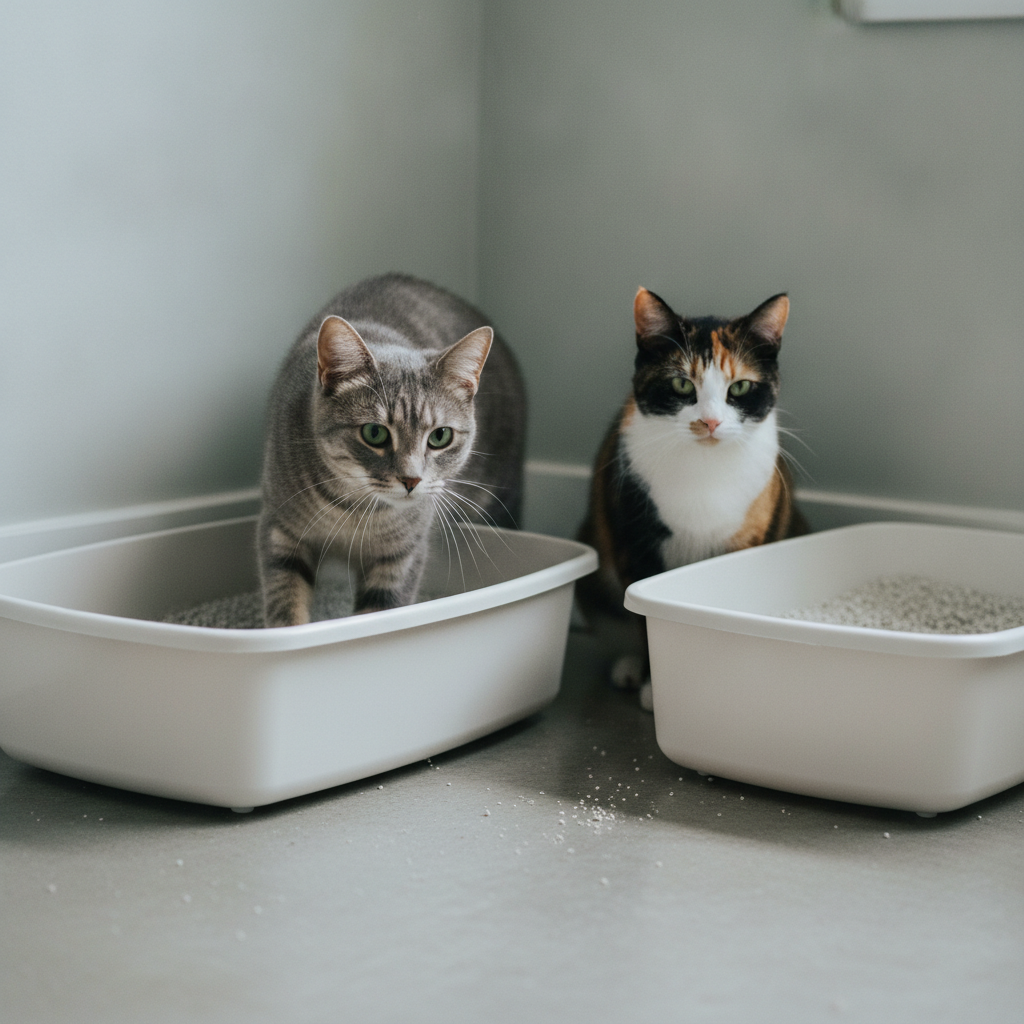 TrainingThe N+1 Litter Box Rule Isn't About Sharing. It's About ChoiceDr. Mara Chen · 7 min
 Health & WellnessCat Peeing in the Bathtub? Reach for the Vet, Not the Bleach.Dr. Lena Park · 9 min
 TrainingToilet-Training Your Cat Means Throwing Away Their Health ChartDr. Ravi Mehta · 8 min