


Your Cat Isn't Being Dramatic. 8 Things That Genuinely Wound Them
Cats hide their feelings, but a handful of everyday habits reliably stress them out. Here's what actually stings, and why it comes down to control and predictability.

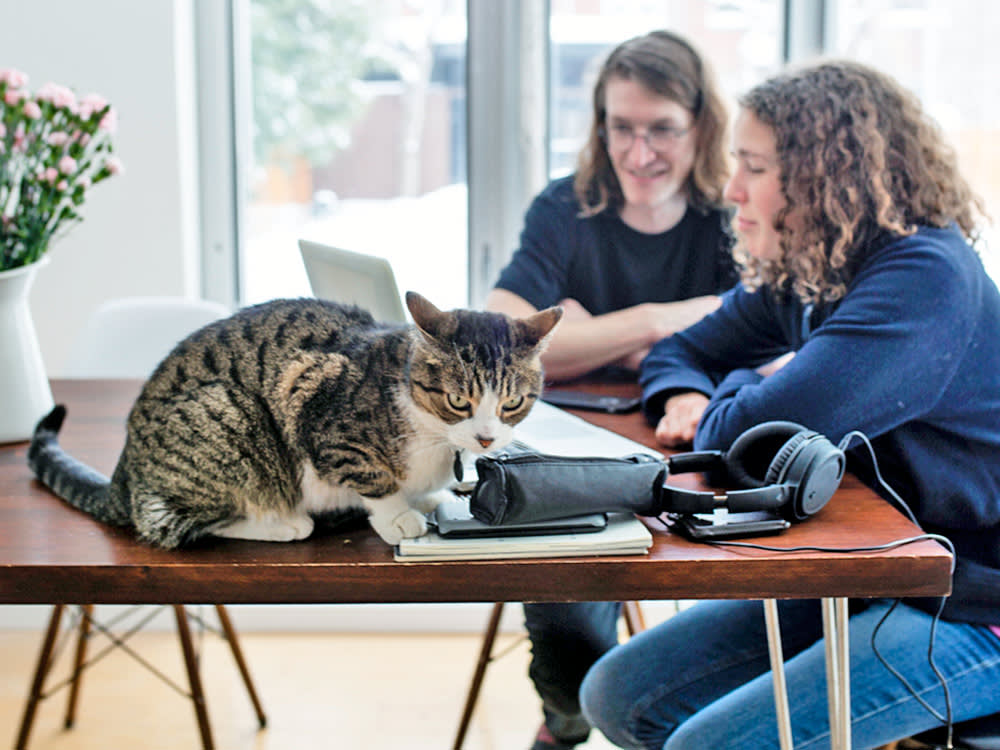
Cats are famously hard to read. They keep their emotions close, which makes it easy to assume there is nothing underneath the blank stare but mild contempt. There is more going on than that. Cats may not feel slighted the way a person does, but they absolutely register fear, frustration, and stress, and plenty of ordinary human habits set those off without us noticing.
Here is the throughline that ties almost all of it together: cats are creatures of control and routine. As small predators who are also prey, they feel safest when their world is predictable and when they get to decide what happens to their own body. Most of the things that look like “hurt feelings” are really moments when we take that control away. Sort your behavior through that lens and the fixes get obvious.
1. Forcing affection they didn’t ask for
Cats are exquisitely sensitive to touch, and their tolerance for it changes by the hour. Petting a cat who is not in the mood, or in a spot they dislike, does not read as love to them. It reads as an unwanted imposition, and for some cats repeated stroking can tip from pleasant into genuinely irritating or even uncomfortable. Let the cat set the terms. Offer a hand, let them decide, and stop before they get twitchy. A treat is a better peace offering than a forced cuddle.
2. Holding on too tight
Scooping up a cat who wants down, or wrapping them in a towel burrito for a nail trim, takes away the one thing they value most: the ability to leave. Restraint that lasts longer than necessary turns a mildly annoying moment into a frightening one. If you have to handle your cat for grooming or medication, work in short sessions, pair it with treats, and give them an exit whenever you can. A cat who trusts they can escape is far calmer than one who has been pinned.
3. Raising your voice
Yelling feels harmless because it is over in a second, and surely the cat has forgotten by dinner. They have not. To a prey animal, a sudden loud, sharp sound from a much larger creature reads as a genuine threat, and it chips away at how safe you feel to be around. Over time, that erosion can show up as overgrooming, hiding, or a cat who flinches when you move quickly.
Cats file us into two categories, safe and not safe, and a raised voice quietly moves you toward the wrong one. You almost never see the cost in the moment. You see it weeks later, in a cat who stops seeking you out.
4. Punishing after the fact
Your cat knocked something off the shelf or missed the litter box, and the instinct is to correct them. The problem is that cats do not connect a punishment with a thing they did earlier, or even a few seconds ago. There is a real difference between calmly interrupting a behavior as it happens and punishing a cat for it. Interrupting can work. Punishing just teaches your cat that you are unpredictable and occasionally scary, which is the opposite of what you want. Skip the spray bottle entirely; startling a cat with water builds fear, not manners.
5. Rearranging their world
Redecorating is exciting for you and unsettling for your cat. New furniture, a moved litter box, a rearranged living room, houseguests, or a shifted feeding station can all read as a small earthquake to an animal who relies on a stable, mapped-out territory. You do not have to freeze your home in place forever. Just make big changes gradually where you can, keep their core resources (food, water, box, favorite perch) as consistent as possible, and watch for stress signals when something new arrives.
6. Scrubbing away their scent
Here is the one people rarely think about. Cats mark their territory with scent, rubbing their cheeks and bodies on furniture, corners, and you, laying down an invisible map that says this is mine, this is safe. When you deep-clean everything at once, wash their favorite blanket, or swap their scratched-up bed for a pristine new one, you erase that map in an afternoon. To your cat, a freshly sanitized home can feel oddly foreign. You do not have to live in filth, but stagger your cleaning, hold onto a few unwashed items they have claimed, and let a new bed pick up their smell before you expect them to love it.
7. Letting the litter box turn grim
Nobody enjoys scooping, but a dirty box is one of the most reliable ways to stress a cat out. Cats are fastidious, and being forced to pick their way across old clumps to find a clean spot is genuinely unpleasant for an animal with a nose as sensitive as theirs. Scoop at least once a day, and in a multi-cat home follow the standard rule of one box per cat plus one extra. A neglected box does not just upset your cat; it is the fast track to litter-box avoidance, which is a much bigger problem to unwind.
8. Letting them get bored
We spend so much energy respecting cats’ boundaries that it is easy to forget the opposite failure: neglect. A cat with no play, no puzzle, and no high perch to survey their kingdom from is an understimulated cat, and boredom is its own kind of stress. It can slide into low mood, weight gain, and invented “problem” behaviors that are really just a bid for something to do. Short daily play sessions with a wand toy, a rotation of small toys, and vertical space to climb do more for a cat’s wellbeing than most people expect. In a multi-cat home, spread the attention around, because a cat who watches a housemate get all the fuss will feel it.
What newer research adds
We used to treat cats as aloof loners who barely noticed us. The science has been quietly dismantling that. A 2019 study found that cats form attachment bonds to their humans much like infants do, with most cats showing a “secure” attachment that helps them stay calm when their person is near. And research published in 2023 catalogued nearly 300 distinct feline facial expressions used in cat-to-cat communication, far more nuance than the “cats have one face” stereotype allows.
The takeaway for daily life is simple. Your cat is paying closer attention to you, and to their environment, than they let on. They are not sulking for effect. When something in their world feels unsafe or out of their control, it registers, and the kindest thing you can do is give it back.
How to smooth things over
If you have upset your cat, resist the urge to chase them down and apologize with a smothering hug, which just repeats the original crime. Give them room, let them re-approach on their own schedule, and then offer something they genuinely enjoy: a play session, a favorite treat, a warm spot in the sun. And manage your own stress while you are at it. Cats pick up on the emotional weather of a household, and a calmer human tends to make for a calmer cat.
References
- Vitale, K. R., Behnke, A. C., & Udell, M. A. R. (2019). “Attachment bonds between domestic cats and humans.” Current Biology, 29(18), R864–R865. https://doi.org/10.1016/j.cub.2019.08.036
- Scott, L., & Florkiewicz, B. N. (2023). “Feline Faces: Unraveling the Social Function of Domestic Cat Facial Signals.” Behavioural Processes, 213, 104959. https://doi.org/10.1016/j.beproc.2023.104959
- American Association of Feline Practitioners. “Feline Environmental Needs Guidelines.” https://catvets.com/guidelines/practice-guidelines/environmental-needs-guidelines
Common questions
Do cats actually have hurt feelings?
Cats don't experience emotions in exactly the way people do, and we can't ask them. But they clearly register fear, frustration, and stress, and the situations people describe as 'hurt feelings' are almost always ones that spike a cat's anxiety or strip away their sense of control.
How can I tell if I've upset my cat?
Watch the body, not the face. Flattened ears, a tucked or flicking tail, hiding, dilated pupils, over-grooming, skipped meals, or going outside the litter box are all signs of stress. Changes in these patterns matter more than any single moment.
What's the fastest way to make it up to a cat?
Give them space, then let them re-approach on their terms. Follow up with a low-key win they like: a play session, a treat, or a quiet spot in the sun. And lower your own stress, because cats read the mood of the house.
Dr. Kohl is a board-certified veterinary dentist with a particular interest in preventive oral care. She reviews all dental health content at The Pet Times and contributes practical guides on home dental routines, professional cleaning, and oral disease prevention.
Meet our experts ↗Keep reading
 TrainingYour Cat Isn't Attacking You. It's Sending One of 5 Messages.Dr. Amara Solis · 5 min
 First DaysYour Older Cat Doesn't Hate the Kitten. It Hates the Energy.Dr. Priya Nair · 7 min
 Health & WellnessYour Cat Isn't Being Spiteful. Almost Every 'Bad Cat' Behavior Is Anxiety.Dr. Priya Nair · 9 min
 TrainingThat Sound Isn't a Meow. And It Isn't Good News.Dr. Lena Park · 8 min
 TrainingYour Cat Isn't Guarding You in the Bathroom. They Hate the Door.Dr. Nina Kohl · 6 min
 TrainingYour Cat Is Probably Securely Attached. Here's Why That's the Useful PartNina Vasquez · 5 min